
The commercial baking worker shortage in the U.S. has become a serious challenge for bakeries, food manufacturers, and large-scale baking operations nationwide.
As demand rises for packaged bread, pastries, cakes, and specialty baked goods, employers are struggling to find reliable workers to keep production running.
This workforce gap is not temporary.
It is driven by long-term demographic shifts, high turnover, physically demanding work, and declining interest among younger workers.
According to the U.S. Bureau of Labor Statistics (BLS), employment for bakers is expected to remain steady, but replacement needs are high, with tens of thousands of openings each year due to workers leaving the occupation or retiring.
If these trends continue, bakeries will face ongoing staffing shortages well into the next decade.
Why the U.S. Baking Industry Is Short on Workers
The commercial baking worker shortage in the U.S. is part of a broader national labor crisis affecting entry-level and production-based jobs, with bakeries feeling the impact more than many other industries due to the physically demanding nature of the work, early shifts, and high turnover rates. According to the U.S. Chamber of Commerce, workforce participation has not fully recovered since the pandemic, particularly in labor-intensive sectors such as food production and manufacturing, leaving employers struggling to attract and retain reliable workers even as demand for baked goods continues to rise.
An Aging Workforce and Fewer Replacements
Many experienced bakers are nearing retirement, while far fewer young workers are choosing to enter the profession, accelerating the commercial baking worker shortage in the U.S. As the median age of bakery and food production workers continues to rise, employers face a widening skills gap that is difficult to close quickly, especially in an industry that relies on hands-on experience and consistency. Younger generations are increasingly drawn to technology, healthcare, and remote-friendly careers, leaving traditional trades like commercial baking with fewer new entrants and making long-term workforce replacement a growing challenge for U.S. bakeries.
Perception and Physical Demands of Baking Jobs
Commercial baking is skilled, hands-on work that demands consistency, stamina, and precision, but the physical realities of the job often deter domestic workers. Long hours on one’s feet, exposure to high temperatures, early-morning or overnight shifts, and repetitive tasks make baking roles less appealing compared to less physically demanding occupations. Despite being essential to the U.S. food supply chain, commercial baking jobs are frequently overlooked, and this perception challenge continues to directly fuel the commercial baking worker shortage in the U.S.
The Economic Pressure on Bakeries
Rising operational costs are intensifying the labor challenges facing bakeries across the country. According to the U.S. Bureau of Labor Statistics, food manufacturers continue to face higher expenses for ingredients, transportation, energy, and rent, forcing many bakeries to operate on extremely thin profit margins. These financial pressures limit employers’ ability to raise wages fast enough to compete for workers in an already tight labor market, and when positions remain unfilled, bakeries often experience slower production, increased overtime costs, and potential declines in product quality.
How Serious Is the Baking Labor Shortage?
The severity of the baking labor shortage is clear from current workforce data. The U.S. Bureau of Labor Statistics projects approximately 39,900 baker job openings each year, largely driven by workers changing occupations or leaving the workforce rather than by industry growth alone, highlighting the persistent turnover challenges common in food production roles. This pressure is especially acute in states that serve as major food manufacturing hubs, many of which rank among those most affected by ongoing labor shortages, according to the U.S. Chamber of Commerce.
Why Automation Is Not Enough
Automation plays an important role in modern commercial baking by improving efficiency in tasks like mixing, portioning, and packaging, but it cannot fully replace human bakers. Skilled workers are still essential for quality control, decorating, producing specialty items, and adjusting recipes to meet customer expectations, all of which require judgment and experience. Most bakery owners agree that automation is most effective when used alongside trained employees rather than as a substitute, reinforcing that the human element remains critical to product quality and consistency.
Key Strategies to Address the Commercial Baking Labor Shortage
Invest in Training and Skill Development
Investing in training is one of the most effective long-term solutions to the commercial baking labor shortage, as workers are far more likely to stay with employers who support their professional growth. Workforce studies cited by the U.S. Chamber of Commerce show that training and development significantly improve retention, making apprenticeships, on-the-job training, and mentorship programs especially valuable for building a steady pipeline of skilled bakers. Partnerships with vocational programs and culinary schools further strengthen recruitment by preparing workers with industry-relevant skills before they enter the workforce.
Offer Flexible Scheduling Where Possible
While commercial baking requires fixed production schedules, many tasks allow for greater flexibility, such as preparing cakes, fillings, and specialty items in advance. Implementing staggered shifts, rotating weekend schedules, and predictable work hours can significantly improve retention and reduce employee burnout. As work-life balance becomes a top priority for today’s workforce, bakeries that offer even modest flexibility are better positioned to attract and keep reliable workers.
Improve Wages and Benefits Strategically
Competitive pay remains a critical factor in attracting and retaining bakery workers, especially in a tight labor market. The U.S. Bureau of Labor Statistics reports that the median annual wage for bakers in the U.S. is approximately $36,650, with higher earnings in manufacturing environments, underscoring the importance of aligning compensation with market conditions. In addition to wages, benefits such as healthcare coverage, paid time off, and performance-based bonuses make baking roles more appealing, and even incremental improvements can lead to meaningful reductions in turnover.
Hire Foreign Workers Through the EB-3 Visa Program
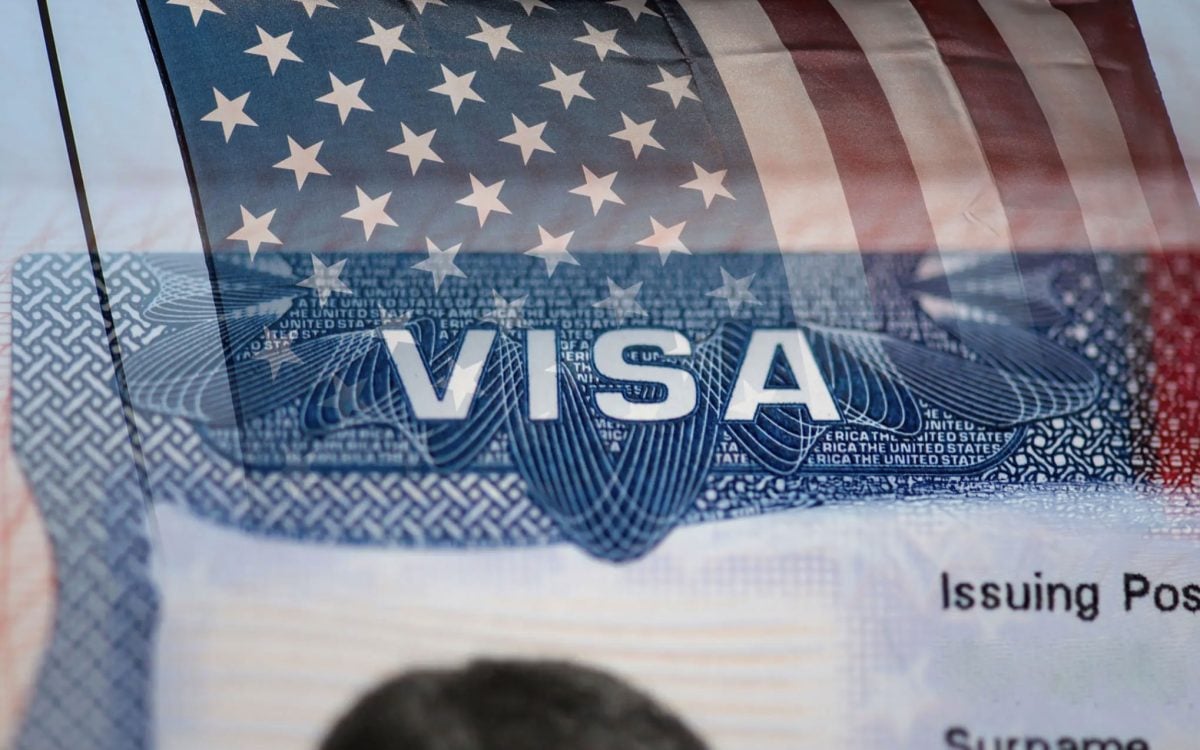
Hiring foreign workers through the EB-3 Other Worker visa program is one of the most effective ways to address the commercial baking worker shortage in the U.S. This program allows employers to fill permanent, full-time positions that require minimal formal training, making it well-suited for bakeries and food production facilities facing chronic labor gaps. The U.S. Department of Labor oversees the labor certification process, and many bakeries already rely on immigrant labor to maintain consistent production, reduce turnover, and stabilize staffing.
Collaborate With Schools and Industry Partners
Collaboration with educational institutions and industry partners plays a vital role in strengthening the baking workforce pipeline. Many large baking companies and ingredient suppliers have begun investing in education programs and bakery schools to attract new talent, while partnerships with culinary schools, community colleges, and workforce development programs help expose students to baking careers early. These collaborations also encourage knowledge sharing, mentorship, and best practices across organizations, creating a more sustainable and skilled workforce for the industry.
Why the EB-3 Visa Matters for the Baking Industry
For bakeries facing years of unfilled positions, this pathway offers relief.
The EB-3 visa program plays a critical role in supporting the baking industry by providing a legal, long-term workforce solution for employers struggling with persistent labor shortages. Unlike temporary visa programs, EB-3 workers receive permanent residence, which significantly reduces turnover, improves workforce stability, and allows bakeries to invest in training without the risk of losing employees after short periods. Visa availability and processing timelines are published monthly by the U.S. Department of State through the Visa Bulletin, giving employers greater transparency and planning certainty, and offering much-needed relief to bakeries that have faced years of unfilled positions.
HOW TO Address the Commercial Baking Worker Shortage in the U.S. (Step by Step)
Step 1: Assess Your Workforce Gaps Clearly
Start by identifying which bakery roles are hardest to fill, how long positions stay vacant, and how turnover impacts production. Understanding whether shortages affect entry-level bakers, production workers, or specialized roles helps employers choose the right mix of training, wage adjustments, or long-term hiring solutions like the EB-3 visa program.
Step 2: Strengthen Training and Retention First
Before expanding recruitment, improve retention by investing in on-the-job training, mentorship, and clear growth paths. Employees who feel supported and see long-term opportunities are more likely to stay, reducing constant rehiring and training costs while stabilizing daily operations.
Step 3: Improve Scheduling and Workplace Flexibility
Review production workflows to identify tasks that can be completed in advance or assigned flexible shifts. Even small changes, such as staggered start times or predictable schedules, can significantly reduce burnout and improve employee satisfaction in physically demanding baking roles.
Step 4: Align Wages and Benefits With Market Reality
Compare your pay and benefits to local and regional competitors using current labor data. Adjusting wages strategically and offering benefits like paid time off or performance bonuses can make bakery jobs more competitive and reduce costly turnover.
Step 5: Use the EB-3 Visa Program for Long-Term Stability
For positions that remain unfilled despite domestic recruitment efforts, consider hiring foreign workers through the EB-3 Other Worker visa program. This option provides permanent, full-time employees who help stabilize staffing, reduce turnover, and support consistent production over the long term.
Frequently Asked Questions About the Commercial Baking Worker Shortage in the U.S.
Why is there a commercial baking worker shortage in the U.S.?
The commercial baking worker shortage in the U.S. is driven by an aging workforce, high turnover, physically demanding job conditions, and fewer young workers entering the industry. Many experienced bakers are retiring, while younger generations often pursue careers in technology, healthcare, or remote-friendly fields, leaving bakeries struggling to replace workers fast enough to meet demand.
Why don’t higher wages alone solve the baking labor shortage?
While competitive wages are important, pay increases alone do not fully solve the labor shortage because baking jobs involve early hours, physical strain, and repetitive work. Many job seekers prioritize work-life balance, predictable schedules, and long-term stability, which means bakeries must combine better pay with training, flexibility, and supportive work environments to attract and retain workers.
Can automation replace bakers in commercial baking operations?
Automation can improve efficiency in tasks like mixing, portioning, and packaging, but it cannot replace skilled bakers entirely. Human workers are still needed for quality control, specialty products, decorating, and adapting recipes, making people essential to maintaining product consistency and customer satisfaction.
How does the EB-3 visa program help bakeries facing labor shortages?
The EB-3 Other Worker visa program allows U.S. bakeries to hire foreign workers for permanent, full-time positions when domestic labor is unavailable. Because EB-3 workers receive permanent residence, this reduces turnover, improves workforce stability, and allows employers to invest in training without fear of losing workers after a short period.
Is the baking labor shortage expected to improve in the future?
Current labor trends suggest the baking worker shortage will continue for years, as retirements increase and fewer domestic workers enter the field. Bakeries that adapt by improving retention, collaborating with educators, and using long-term solutions like the EB-3 visa program will be best positioned to meet demand and remain competitive in the U.S. market.
The Bottom Line
The commercial baking worker shortage in the U.S. is a long-term challenge that is unlikely to ease in the near future. An aging workforce, high turnover rates, physically demanding job conditions, and shifting career preferences among younger workers continue to put pressure on bakeries of all sizes. As these factors persist, employers who rely solely on traditional hiring methods will find it increasingly difficult to maintain consistent staffing and production levels.
Bakeries that adapt to these realities are far more likely to survive and grow. Investing in training and skill development, offering flexible scheduling where possible, improving wages and benefits, and collaborating with educational institutions all help strengthen the domestic talent pipeline. These strategies not only attract new workers but also improve retention and workplace morale.
At the same time, hiring foreign workers through the EB-3 visa program has emerged as a proven and sustainable solution for bakeries facing chronic labor shortages. By taking a proactive and diversified approach to workforce planning, bakery owners can protect product quality, meet customer demand, and build a stable, reliable workforce that supports long-term success in an increasingly competitive market.