
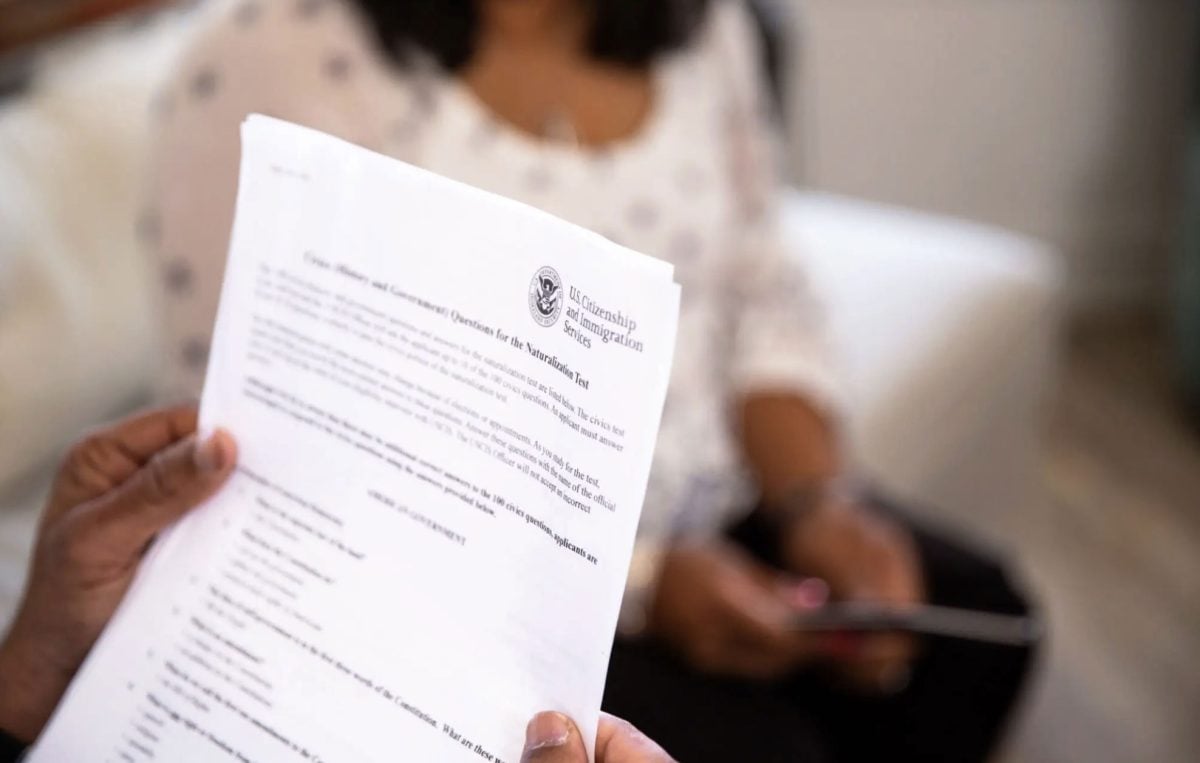
Many EB-3 applicants prefer lawyers who already work with employers that sponsor foreign workers for permanent residency. These lawyers have experience with the paperwork, timelines and government requirements that make the process more efficient. By choosing a lawyer who understands both the employer’s and the applicant’s needs, you can greatly increase your chances of success.
The EB-3 visa is a powerful opportunity for foreign workers seeking to build a long-term future in the United States. It allows qualified applicants in skilled, professional and other worker categories to gain permanent residency through employment. The process however involves multiple steps, agencies and regulations that can be difficult to navigate without expert legal guidance.
An experienced immigration lawyer plays a critical role in making this process smooth and legitimate. They help employers meet strict Department of Labor (DOL) standards and guide applicants in filing accurate documents with United States Citizenship and Immigration Services (USCIS). Choosing the right attorney ensures that your application remains compliant and that you stay informed throughout every stage of the journey.
Understanding how lawyers and EB-3 employers work together can also help you avoid fraud and false promises. Some individuals pose as recruiters or consultants and take advantage of applicants by offering fake sponsorships. Learning what to look for in a legitimate lawyer protects your investment, your status and your future in the United States.
The EB-3 process can take about forty eight months from start to finish which makes patience and accuracy vital. Each phase must be handled correctly from the PERM Labor Certification to the I-140 petition and the final green card approval. With a knowledgeable lawyer who already works with reputable EB-3 employers, you can confidently move forward knowing your case is in capable hands.
The DOL carefully reviews the job duties, required skills and geographic location of each position to determine its occupational classification, skill level and area code. Based on these factors, the DOL uses its Online Wage Library to issue a Prevailing Wage Determination, which is a crucial step in the labor certification process. The DOL states that PERM labor certification approvals must be submitted to USCIS within 180 days of certification or they expire.
According to CATO Institute, the processing time for prevailing wage determinations has increased significantly. In 2016, the average wait was approximately 76 days or about 2.5 months. By the second quarter of 2025, that average had nearly tripled to 187 days or around 6.1 months.
Understanding the Role of Lawyers in the EB-3 Visa Process
A lawyer’s role begins when a United States employer agrees to sponsor a foreign worker for permanent residency. The attorney prepares and files the PERM Labor Certification with the Department of Labor then submits the I-140 petition to the United States Citizenship and Immigration Services. The lawyer later assists with either consular processing if the applicant is abroad or adjustment of status if they are already in the United States.
According to the DOL, employers submitted 151,773 PERM applications in Fiscal Year (FY) 2024. This is a volume that underscores how competitive and regulated the employment-based immigration space is.
Lawyers do not provide jobs to applicants. Their main duty is to handle paperwork, ensure compliance, and maintain communication with both the Department of Labor and USCIS. A good lawyer protects the client from delays, errors and denials that can cost valuable time.
For a deeper understanding of visa categories, you can visit EB3.Work’s EB-3 Other Workers category guide.
Why Some Lawyers Work Closely With EB-3 Employers
Some immigration lawyers develop long-term partnerships with employers that regularly sponsor EB-3 workers. This allows them to understand the employer’s recruitment procedures, job descriptions and document requirements. Familiarity with the employer’s system reduces the risk of mistakes and ensures faster case preparation.
Employers often prefer to keep working with the same attorney because they trust the lawyer’s knowledge of labor certification procedures. These attorneys are skilled at following DOL compliance rules related to wages, advertisements, and audit procedures. In FY 2024, out of all active PERM applications, around 0.0 % were in audit review but 0.6 % were in appeal status. A well-informed lawyer helps employers stay compliant and ensures smoother approvals.
When lawyers and employers maintain trust, applicants also benefit. The communication is faster, the documentation is stronger and the process becomes more transparent. For these reasons, experienced lawyers with long-term employer relationships are often the most reliable choice for EB-3 applicants.
How to Find Lawyers That Have EB-3 Employers
- Start with reliable legal directories. Begin your search using the American Immigration Lawyers Association directory at www.aila.org. This platform allows you to look for immigration attorneys by state and specialization, making it an excellent starting point for identifying professionals who handle employment-based cases.
- Focus on EB-3 and PERM experience. Once you have a list of potential lawyers, review their profiles for experience with EB-3 or PERM Labor Certification cases. Look for evidence that they have worked with sponsoring employers before, as this experience often leads to smoother filings and better communication with agencies.
- Research professional backgrounds. Take time to read client testimonials or online reviews about each lawyer’s reliability and responsiveness. Feedback from past clients can give you valuable insight into how the attorney manages communication, timelines and case updates.
- Ask direct and specific questions. When you contact a lawyer, ask questions such as, “Do you currently represent any EB-3 employers?” and “Have you previously handled EB-3 Other Workers cases?” You can also ask if they coordinate directly with recruiting agencies or if they work only through employers.
- Learn where the lawyer fits in the process. Understanding a lawyer’s role helps you know what to expect from their services. For additional background, review EB3.Work’s in-depth guide on how the EB-3 process works. This will help you see how an immigration lawyer supports both the employer and the applicant through each stage of the EB-3 journey.
Red Flags to Avoid When Searching for an EB-3 Lawyer
Be cautious of lawyers or agencies that promise guaranteed jobs. Lawyers are not legally allowed to act as recruiters or promise visa approval. The only entity that can offer a legitimate job is the sponsoring employer.
The Federal Trade Commission reported that consumers lost a total of $2.7 billion to imposter scams in 2023 including cases in which scammers pretended to represent the FTC itself. Avoid agencies that ask for job placement or recruitment fees. Under United States law, the employer must cover the cost of PERM advertising and attorney fees and if an applicant is asked to pay those costs, it is likely an unethical or illegal arrangement.
Always verify that your lawyer is licensed to practice in the United States. You can check this by visiting the state bar association website. The lawyer’s name, license number and disciplinary history should be available for public viewing.
How Lawyers, Recruiters, and Employers Work Together
- The employer initiates the sponsorship. In a legitimate EB-3 case, the employer begins the process by offering a permanent job to a qualified foreign worker. The employer is responsible for sponsoring the applicant and paying the legal and government fees required for the labor certification process.
- The immigration lawyer manages all legal filings. After the employer begins sponsorship, the lawyer prepares and files the necessary applications with the Department of Labor and the United States Citizenship and Immigration Services. The lawyer ensures that every form is accurate, compliant and submitted on time to avoid delays or denials. After the employer initiates sponsorship, the immigration lawyer prepares and submits the PERM Labor Certification to the Department of Labor and the I-140 Immigrant Petition to USCIS. In FY 2024, DOLE issued a report showing that 102,036 PERM cases were certified while 5,031 were denied.
- The recruiter connects qualified workers with employers. When a recruiter is involved, their main responsibility is to match skilled applicants with employers who have open EB-3 positions. The recruiter identifies candidates who meet job requirements while the lawyer handles the legal documentation and compliance steps.
- Each party fulfills a distinct role. The employer sponsors the position, the recruiter helps locate qualified applicants, and the lawyer handles the legal process. When all three work together properly, the process becomes organized and transparent.
- Successful collaboration benefits everyone. The employer remains fully compliant with immigration regulations, the lawyer ensures accurate filings and the worker experiences fewer delays. This teamwork builds trust among all parties and makes the EB-3 process efficient, lawful, and successful.
Questions to Ask Before Choosing an EB-3 Immigration Lawyer
When interviewing potential lawyers, ask about their specific experience with the EB-3 visa program. You might ask, “How many EB-3 cases have you successfully handled?” or “Do you currently represent any employers filing EB-3 Other Workers petitions?” These questions help you gauge the lawyer’s level of familiarity with your specific needs.
It is also useful to ask whether you will be represented individually or as part of a group filing. Some employers work with lawyers who handle multiple applicants at once. Understanding how your case will be managed helps you maintain realistic expectations.
Request a clear explanation of fees. Ask what costs are covered by the employer and what, if any, you are expected to pay. A professional lawyer will provide a written legal services agreement before collecting payment.
How to Verify If an Employer Is Legitimate
- Check the employer’s business registration. Before accepting any EB-3 job offer, confirm that the employer is a legally registered company. You can verify this by searching the state’s business database or checking the Employer Identification Number through the Internal Revenue Service. This step ensures that the business is active and in good standing.
- Confirm contact details and documentation. A legitimate employer should have a verifiable business address, phone number and official email. They must also be able to provide documents proving that they operate legally in the United States. Avoid companies that hesitate or refuse to share proof of registration or licensing.
- Rely on verified EB-3 job listings. To save time and reduce risk, explore verified employers on EB3.Work’s current EB-3 job openings. Every listing on the site has been reviewed for authenticity and compliance, ensuring that applicants connect only with trustworthy sponsors.
Alternative Ways to Connect With EB-3 Employers
Besides hiring a lawyer, there are other ways to connect with EB-3 employers. Many immigration lawyers and agencies hold webinars to explain how the sponsorship process works. Attending these events allows you to learn directly from experts and ask questions in real time.
You can also participate in online communities for EB-3 applicants on platforms such as Facebook or Reddit. These spaces can provide helpful experiences from other applicants. Always verify information before acting on it or sharing personal data.
Another effective way to connect with employers is by researching industries that face labor shortages. Sectors such as hospitality, warehousing, food service and senior care often rely on EB-3 sponsorships. According to the United States Chamber of Commerce, these industries continue to have high demand for entry-level workers.
Frequently Asked Questions (FAQs)
What is the difference between an EB-3 lawyer and a recruiter?
A recruiter’s main job is to connect qualified foreign workers with employers who have open positions under the EB-3 program. They focus on matching skills, education, and experience to the employer’s job requirements. Recruiters help fill positions that United States employers cannot easily staff locally.
A lawyer, on the other hand, handles the legal side of the immigration process. They file the PERM Labor Certification, the I-140 petition and guide applicants through consular processing or adjustment of status. Lawyers ensure all paperwork complies with federal law and that every form is correctly filed.
While recruiters and lawyers often work together, their roles do not overlap. A recruiter cannot provide legal advice or submit immigration forms on your behalf. Only a licensed immigration lawyer can represent you in front of the Department of Labor and USCIS.Can a lawyer guarantee me an EB-3 job?
No lawyer can guarantee you an EB-3 job because only the employer has the authority to offer employment. A lawyer’s responsibility begins after a legitimate job offer exists. They guide you through the legal paperwork and compliance requirements. In FY 2024, DOL reported that more than 5,000 PERM applications were denied despite existing job offers, showing that even legitimate cases can fail due to legal or documentation issues.
Any lawyer or agency promising a guaranteed job should be considered a red flag. These promises often lead to scams that take advantage of applicants seeking permanent residency. Always confirm that both the lawyer and employer follow official government procedures.
A trustworthy lawyer will clearly explain that results depend on your qualifications, the employer’s documentation and government approval timelines. The immigration process involves multiple agencies, and no outcome can be guaranteed. Your best protection is to work only with licensed professionals and verified employers.Do lawyers share employers between applicants?
Yes, some lawyers represent multiple applicants for the same employer. This is common when a company sponsors several foreign workers under the EB-3 Other Workers category. Each applicant, however, must still meet all eligibility requirements.
When a lawyer represents multiple clients, they must ensure confidentiality and fairness. Every applicant’s case is treated separately, even if they work for the same company. The lawyer must maintain ethical standards and avoid conflicts of interest.
Working with a lawyer who already handles an employer’s EB-3 cases can be beneficial. The lawyer understands the employer’s documentation and hiring practices which speeds up preparation. This arrangement saves time but still requires compliance for each individual applicant.How long does the EB-3 process take with a lawyer?
The EB-3 process currently takes about forty eight months on average. This timeline includes the PERM Labor Certification, which takes around twelve to eighteen months and the I-140 petition, which adds another six to twelve months. The remaining time covers visa number availability and final green card processing.
A lawyer cannot shorten the government’s processing time, but they can prevent delays caused by errors. Accurate documentation and compliance reduce the risk of audits and denials. Choosing an experienced lawyer helps you avoid unnecessary setbacks.
During this waiting period, communication is essential. A professional lawyer should keep you informed about your case status and any policy changes. Patience and consistency are key to reaching the final approval stage successfully.How can I find current EB-3 job openings or employers that work with lawyers?
The best way to find verified EB-3 job openings is by visiting EB3.Work’s EB-3 Jobs List. Every employer listed there works with licensed immigration lawyers who handle their cases. This ensures that both the employer and the process are legitimate.
You can also ask your lawyer if they currently represent any active EB-3 employers. Many attorneys maintain ongoing relationships with companies that regularly sponsor workers. This can provide direct access to reliable opportunities.
Avoid relying on social media or unverified advertisements. Many online posts offer fake or misleading information. Always confirm through official channels before submitting documents or payments.Why do some lawyers only work with certain EB-3 employers?
Some lawyers focus on specific employers because they have already built strong professional relationships with them. Once a lawyer successfully manages several EB-3 filings for a company, that employer often keeps using the same attorney for consistency. This creates efficiency in preparing and submitting future cases.
These relationships also allow the lawyer to understand the employer’s unique business structure, payroll systems, and recruitment process. Familiarity helps ensure accuracy and compliance. Each new filing becomes easier to manage because both sides already understand their responsibilities.
For the applicant, this is a positive sign. It shows that the employer has a reliable history of EB-3 filings with a professional lawyer. This stability can make your immigration process safer and more predictable.Do I need my own lawyer if the employer already has one?
The employer’s lawyer also represents the foreign applicants in a lot of EB-3 cases. This arrangement is common and allowed under immigration law. The same lawyer can handle the employer’s filings while guiding the applicants through their individual steps.
However, some applicants choose to hire their own lawyer for personal advice. Having a separate attorney ensures that your individual interests are fully protected. It can also help you understand your rights and obligations during the multi-year process.
If you are unsure which option is better, ask the employer’s lawyer about their role. Transparency is important. Whether you choose to share a lawyer or hire your own, communication and clarity will protect your interests.
Wrap-Up
Finding a lawyer who already works with EB-3 employers can make a major difference in your immigration journey. These lawyers understand how the process works from both sides, ensuring that employers stay compliant and that applicants submit complete and accurate documents. Their experience helps prevent mistakes, delays, and misunderstandings that often slow down the path to permanent residency.
The EB-3 process can be long and complex often taking several years to complete. During this time, it is important to work only with professionals who value transparency, honesty and communication. A good lawyer will explain every step clearly, respond to your questions promptly and keep you informed about progress with the Department of Labor and United States Citizenship and Immigration Services.
Applicants should take the time to verify both the lawyer and the employer before committing to any agreement. Checking licenses, business registrations and reviews is not only about caution but also about protecting your future. When you confirm that everyone involved in your case is legitimate, you ensure that your application is both lawful and secure.
Resources such as the Department of Labor website, and the EB3.Work platform can help you find verified professionals. These sources list licensed lawyers and genuine job openings that have been reviewed for authenticity. Using these trusted channels keeps you connected to real opportunities and prevents you from becoming a victim of false promises.
The goal of working with a lawyer who already collaborates with EB-3 employers is not just about convenience. It is about building a foundation of trust, professionalism, and compliance that leads to a permanent home in the United States. With the right guidance and verified partners, your EB-3 visa journey can be both safe and successful.