
Introduction: Welcome to West Yellowstone, Montana
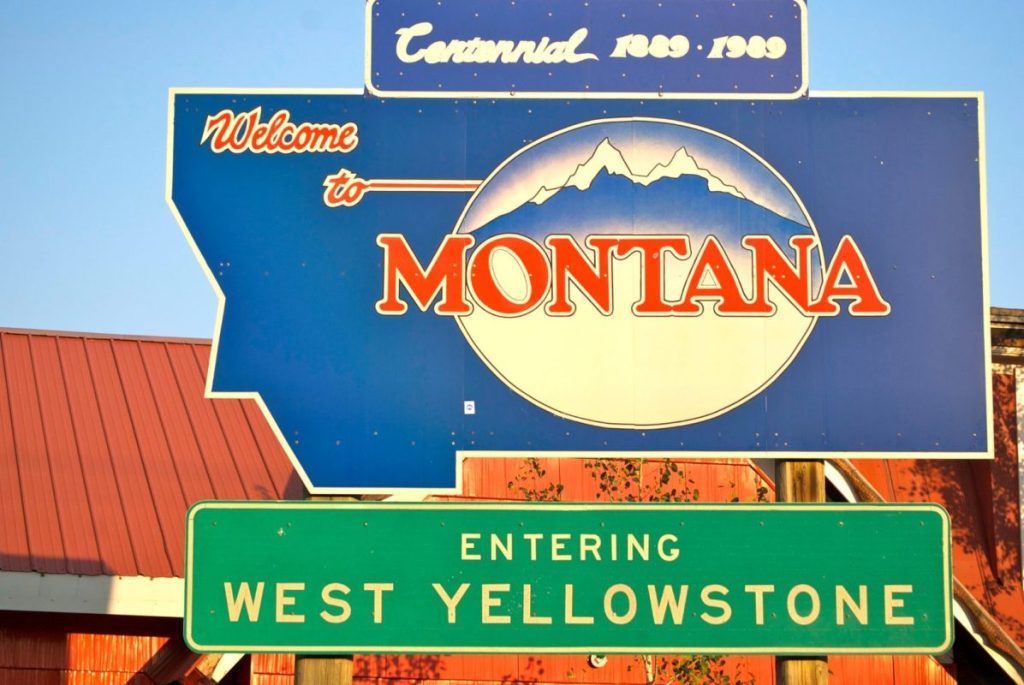
Whether you’re packing up your bags to start a new job, embarking on a seasonal adventure, or relocating with your family, welcome to West Yellowstone—a truly one-of-a-kind community located at the edge of America’s first national park. Here, the streets are lined with rustic charm, snow-capped peaks rise in the distance, and bison sometimes wander near town. Life in West Yellowstone is anything but ordinary—and this guide is designed to help you make the most of it from day one.
West Yellowstone may be small in population—just around 1,200 year-round residents—but its significance is huge. The town is the most popular gateway to Yellowstone National Park, with millions of visitors passing through each year. As a result, the town’s identity is built on a mix of natural wonder, cultural diversity, and a strong local work ethic. While tourism drives much of the economy, it’s the people—resilient, friendly, and down-to-earth—who make West Yellowstone a great place to call home.
A Town at the Edge of Yellowstone National Park
Founded in the early 1900s as a railroad terminus, West Yellowstone’s history is deeply tied to the park. Over time, it evolved into a hub for visitors, scientists, rangers, seasonal workers, and outdoor enthusiasts. Today, it’s a fascinating mix of rural Montana life and global tourism.
When you live in West Yellowstone, nature is your neighbor. Geysers, waterfalls, wildlife, and mountain trails are just minutes from your front door. While the area is incredibly scenic, it’s also functional: there are grocery stores, restaurants, schools, medical clinics, and reliable public services. You’ll find the pace of life is slower than in a city, but the community is welcoming and resourceful—people here help each other out, whether it’s during a snowstorm or the height of summer travel season.
Working at McDonald’s, 100 S Canyon Street
Your new workplace at McDonald’s (100 S Canyon St) is located right in the heart of town, just two blocks from the West Entrance to Yellowstone National Park. This McDonald’s plays an essential role in the town—not just as a place for tourists to grab a quick bite, but as an employer of local workers, seasonal staff, and year-round residents.
What You Can Expect as an Employee:
- A busy, fast-paced environment during peak travel seasons (especially late spring through early fall)
- Opportunities to work full-time or part-time, with flexibility for other commitments
- Team-oriented culture where new employees receive structured training and mentorship
- Shifts that may change based on seasonal demand, with the potential for overtime and advancement
- A location that is within walking or biking distance of most residential areas in town
- A mix of local coworkers and seasonal employees from around the world
Because this McDonald’s is one of the few major food service establishments open year-round, it provides steady employment even during slower winter months—a rare and valuable thing in a town so closely tied to seasonal tourism.
Who This Guide is For
This guide was created specifically for people moving to West Yellowstone to work at McDonald’s or nearby businesses. Whether you’re a:
- Young adult starting your first job away from home
- College student taking on a summer position
- Couple looking to live and work near nature
- Family relocating for new opportunities
- Seasonal worker returning year after year
…this guide is meant to help you feel informed, connected, and confident as you navigate your new surroundings. It includes everything you need to know to get settled in West Yellowstone, including:
- Understanding the local climate and how to prepare for the high-altitude seasons
- Finding housing, whether for the season or longer-term
- Getting around without a car or navigating the town by foot or bike
- Accessing healthcare, food, schools, and city services
- Meeting people, attending events, and becoming part of the community
Living in a small mountain town presents both opportunities and challenges. It can take a little time to adjust—especially if you’re used to the convenience of a big city—but many find that West Yellowstone offers peace, purpose, and personal growth that’s hard to match anywhere else.
The Adventure Starts Here
Your move to West Yellowstone is more than just a job change—it’s a lifestyle change. Whether you’re staying for a season or planning to build a life here, this guide will walk you through everything you need to know, from daily essentials to long-term success.
So take a deep breath, look around, and get ready. The mountains are waiting. The park is calling. And your new life in West Yellowstone starts now.
Weather in West Yellowstone, Montana
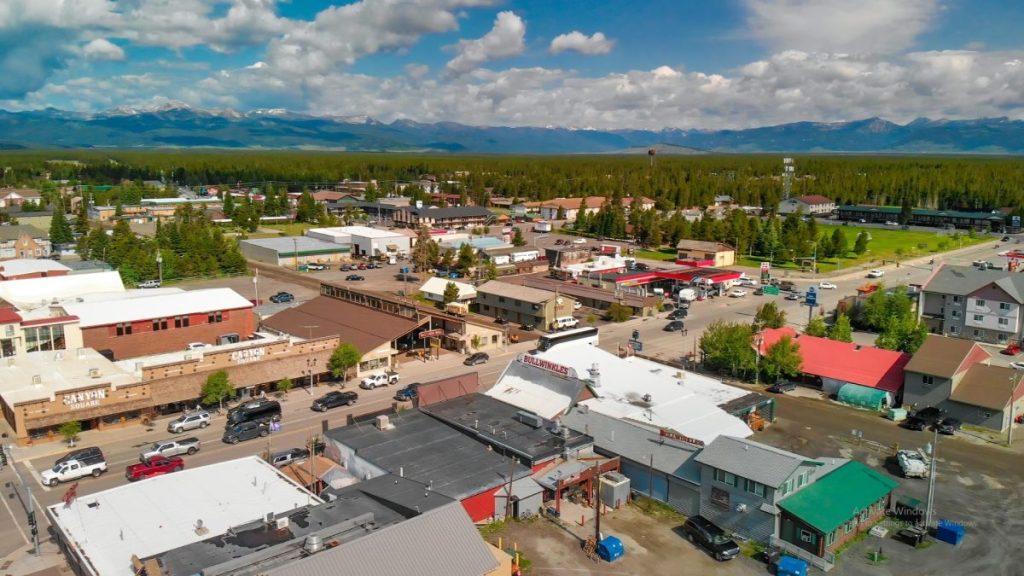
West Yellowstone is not just close to Yellowstone National Park—it’s nestled deep within the Rocky Mountains at an elevation of 6,667 feet above sea level. That high-altitude setting gives the town one of the most extreme climates in the continental U.S., defined by long, frigid winters, short but vibrant summers, and rapid, often unpredictable temperature shifts throughout the year.
If you’re coming from a lower elevation, a coastal region, or a city with milder seasons, the weather here will take some getting used to. But with the right gear, knowledge, and mindset, you’ll learn to thrive in West Yellowstone’s wild and beautiful environment.
A High-Altitude Mountain Climate: What It Means
West Yellowstone’s climate is classified as subalpine, and it’s influenced by its proximity to the Continental Divide, surrounding mountain ranges, and national parklands. This means:
- Colder-than-average temperatures year-round
- Shorter growing seasons and longer winters than most of Montana
- Greater snow accumulation
- High UV exposure, even during the winter months
- Dry air with very low humidity
The town’s location also makes it prone to sudden weather changes. Sunshine in the morning can give way to snow or thunderstorms by afternoon—even in spring and summer. Local residents and workers adapt by dressing in layers, checking the weather daily, and preparing vehicles and homes for long winters.
Season-by-Season Breakdown
❄️ Winter (Late October – Early May)
Winter is the dominant season in West Yellowstone, lasting nearly half the year. Snow typically begins falling in late October and may persist until early May. The town becomes a snow-lover’s paradise and is considered one of the premier destinations in the country for snowmobiling, cross-country skiing, and winter wildlife watching.
- Average Highs: 15–30°F
- Average Lows: 0 to -20°F are not uncommon
- Annual Snowfall: 150–200 inches (12 to 17 feet), with more in higher elevations
- Daylight: Short days with sunset around 4:30 PM during peak winter
Tips for Surviving Winter:
- Invest in waterproof boots with thermal lining and strong traction
- Keep your car stocked with an emergency kit, snow scraper, jumper cables, and blankets
- Plug-in vehicle heaters or block warmers are common for residents
- Carry ice cleats for your shoes, especially if walking to work
- Consider investing in snow tires or chains (check Montana DOT recommendations: https://www.mdt.mt.gov/travinfo/
🌱 Spring (May – Mid-June)
Spring arrives slowly and hesitantly. Snow is still on the ground well into May, and freezing nighttime temperatures often continue into June.
- Average Highs: 40–60°F
- Conditions: Mud, leftover snow, melting ice, budding trees
Tips:
- Dress in layers, including waterproof outerwear
- Snow boots may still be necessary
- Keep an eye out for sudden spring snowstorms
☀️ Summer (Late June – Early September)
Summer is short but stunning in West Yellowstone. This is the town’s peak tourism season, bringing long daylight hours, bustling streets, and an active outdoor lifestyle.
- Average Highs: 70–80°F (though nights can still dip to 30s and 40s)
- Humidity: Low—this is a dry, high-elevation summer
- UV Index: High—sunburns happen quickly, even on cool days
- Wildfire Risk: In late summer, dry conditions may lead to smoke in the air from regional wildfires
Tips:
- Carry sunblock, lip balm, and hydration
- Sunglasses and a hat are a must—even in the mountains
- Pack a jacket for the evening, as temps often drop sharply after sunset
🍂 Fall (Mid-September – Mid-October)
Fall is brief but gorgeous. Aspen and cottonwood trees change to gold, wildlife becomes more active, and crowds thin out. Snow can start again as early as the first week of October.
- Average Highs: 50–60°F in September, falling rapidly to 30s by late October
- Conditions: Dry, crisp air and shorter days
- Activities: Fall hiking, elk bugling season, photography
Tips:
- Keep snow gear on standby by mid-September
- Stock up on groceries and cold-weather supplies early in the season
- Prepare for the return of icy sidewalks and freezing temps at night
Weather-Related Lifestyle Considerations
Life in West Yellowstone requires planning around the weather. Here are some year-round lifestyle adjustments that many locals adopt:
- Stock up: Keep an emergency pantry and water in case of road closures or snowstorms
- Monitor forecasts regularly: Use resources like the National Weather Service https://www.weather.gov/byz/ for updated forecasts
- Adjust your work gear: If walking or biking to McDonald’s, you’ll need waterproof and windproof layers in all seasons
- Plan for limited travel access: Snow or wildlife may occasionally block roads in and out of town
- Outdoor recreation: While nature is always accessible, dressing properly is critical—hypothermia and sunburn are both real risks
How to Dress for Success (and Survival)
Here’s a breakdown of essential clothing and gear for new residents:
- Winter Essentials:
- Waterproof, insulated boots
- Thermal socks and gloves
- Down or synthetic insulated jacket
- Base layers (merino wool or synthetic)
- Neck gaiter and beanie
- Snow pants and traction cleats
- Waterproof, insulated boots
- Year-Round Gear:
- Rain-resistant outer shell or parka
- Fleece or wool layers
- Sunglasses and SPF 30+ sunscreen
- Refillable water bottle (the dry air means you’ll need to hydrate more often)
- Rain-resistant outer shell or parka
- Summer Basics:
- Breathable hiking shoes or walking sandals
- Lightweight layers for day-to-night changes
- A brimmed hat and long sleeves for sun protection
- Breathable hiking shoes or walking sandals
West Yellowstone’s climate is challenging—but manageable with preparation. Locals will tell you: once you learn to live with the weather, it becomes one of the most rewarding parts of life here. Snowy winter mornings, crisp autumn air, cool summer nights, and dramatic skies are part of the magic. You’ll quickly understand why people stay—even with snowbanks higher than your car.
When you’re dressed right, stocked up, and prepared, the weather transforms from a hurdle into an invitation—to explore, adapt, and fully experience life at the edge of Yellowstone.
Neighborhoods in West Yellowstone
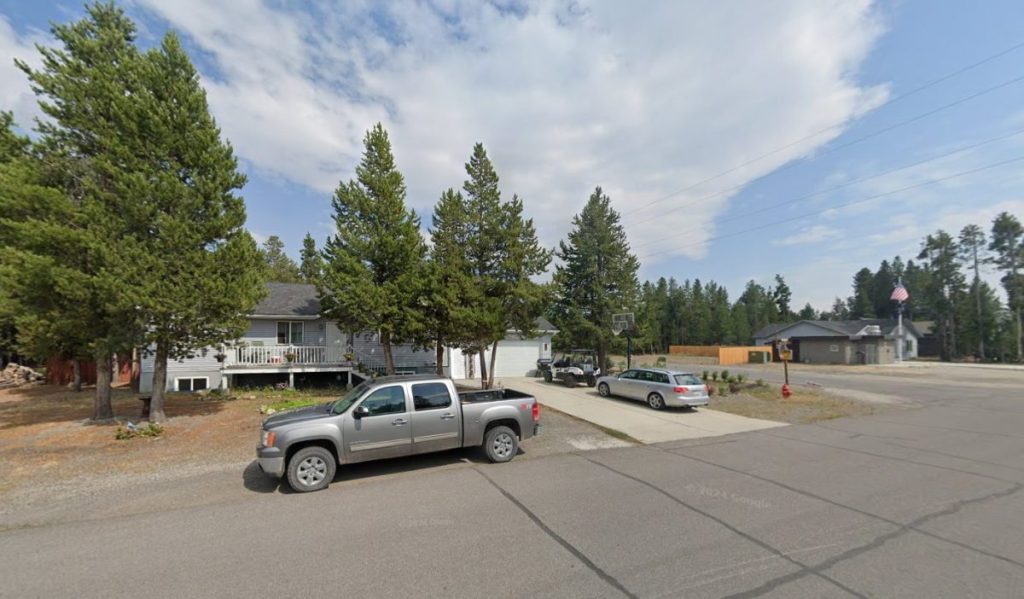
West Yellowstone may be a small town, but it offers a surprising variety of residential options for different lifestyles—whether you’re a solo seasonal worker, a couple looking for convenience, or a family settling in year-round. Unlike large urban centers with sprawling districts, West Yellowstone’s neighborhoods are compact, highly walkable, and closely connected to the town’s central business district. This makes getting to work, school, the grocery store, or the park not only possible—but often just a short stroll or bike ride away.
Overview of West Yellowstone’s Residential Zones
There are no formal neighborhood names or divisions in West Yellowstone like you’d find in a big city. Instead, the town is generally organized into a few main residential clusters, centered around proximity to downtown, the town’s few arterial roads, and the park entrance. Because of the town’s size—just over 1 square mile—nearly every area is within walking or biking distance of local shops, services, and employers like McDonald’s at 100 S Canyon Street.
1. Downtown Core (Near Canyon Street and Yellowstone Avenue)
- Closest to McDonald’s (1–4 blocks away)
- Walkable to work, stores, post office, and library
- Ideal for seasonal workers, individuals, and those who prefer a car-free lifestyle
- Limited residential units; many are second-story apartments over shops or motel rooms rented long-term
2. Grizzly Avenue and Geyser Street Area
- A mix of older single-family homes, apartments, and long-term rentals
- About a 5–10 minute walk to McDonald’s
- Residential streets feel quieter, less trafficked than downtown
- Suited for families, couples, and long-term residents
3. Boundary Street and Faithful Street Area (Southeast of Town)
- Home to the West Yellowstone School, sports fields, and single-family homes
- Popular with families with school-aged children
- A bit farther from downtown (10–15 minute walk or quick bike ride), but with quieter streets and more yard space
4. Madison Avenue and South Fork Area (West/Southwest)
- Includes trailer homes, cabins, and apartment-style lodging
- Some units available with monthly or seasonal leases
- Close to parks, walking trails, and West Yellowstone Airport
- Ideal for seasonal workers or those seeking lower-cost housing
Proximity to McDonald’s at 100 S Canyon Street
One of the biggest perks of living in West Yellowstone is how close everything is. Whether you live in a cabin on the town’s edge or an apartment above a retail shop, McDonald’s is easily accessible on foot, by bike, or by car. Many workers live within 0.5 miles of the restaurant and commute in just a few minutes. During the summer, bike commuting is especially popular, while in winter, people rely on boots, snow gear, and the occasional snowmobile.
If you’re arriving for seasonal work, there are usually temporary housing arrangements or room-and-board rentals available within walking distance. Check with local employers, property managers, and even your McDonald’s manager for leads on employee housing.
Quiet Areas for Families vs. Convenient Areas for Workers
Because West Yellowstone is small, most areas are reasonably quiet, but some zones offer better setups for families than others.
Best Areas for Families:
- Faithful Street and Boundary Street area – close to the school and athletic fields, with single-family homes and less foot traffic
- Residential zones near Firehole Avenue and Hayden Street – near the library and public parks, often home to full-time residents
Best Areas for Seasonal Workers or Singles:
- Canyon Street and Madison Avenue corridor – proximity to employers, restaurants, and shops
- Rental units near Yellowstone Avenue – more likely to have flexible lease terms or be owned by hospitality companies offering off-season rentals
Community Safety, Walkability, and Local Culture
West Yellowstone is widely regarded as a very safe community. Local police, National Park Service rangers, and seasonal law enforcement agencies ensure security throughout the year—especially during the busy tourist season. Crime rates are low, and the tight-knit nature of the town means neighbors often know each other and look out for one another.
Walkability:
- Very high – sidewalks and bike paths are well-maintained in warmer months
- Winter travel – sidewalks can be icy or snow-packed, so proper footwear is important
- Transit-free lifestyle is possible – many locals don’t rely on a car for daily life
Local Culture:
- Tourist-oriented but community-minded
- Most residents are either seasonal hospitality workers, outdoor guides, longtime locals, or National Park employees
- There’s a strong ethic of mutual support, especially in winter when the town becomes quieter and more intimate
- Many community events, potlucks, and fundraisers are hosted at the library, school gym, or town park
Because housing is limited and demand spikes in summer, most newcomers focus less on picking a “perfect” neighborhood and more on finding clean, affordable, and well-located rentals. But the good news is: you can’t go wrong when everything is this close to nature. Whether you’re heading to work at McDonald’s, running errands, or watching wildlife from your front porch, you’ll quickly come to appreciate the simplicity and closeness of West Yellowstone life.
Housing in West Yellowstone, MT
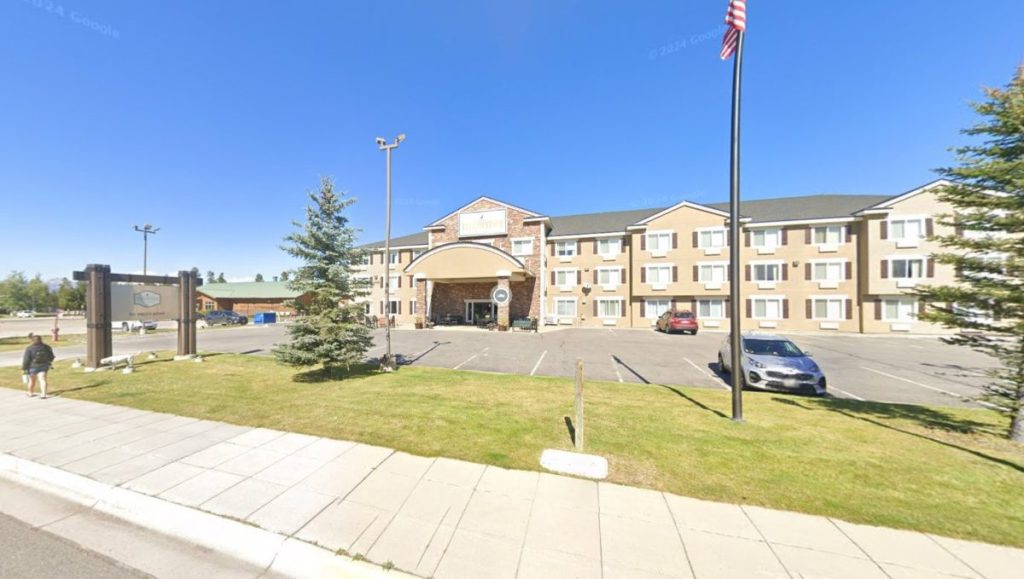
Finding a place to live in West Yellowstone isn’t like house-hunting in a larger city. Because of its location right at the west entrance of Yellowstone National Park, this small Montana town has a seasonally-driven, tourism-focused housing market that fluctuates dramatically between summer and winter. The population swells in the warmer months as thousands of seasonal workers, national park employees, hospitality staff, and tourists descend on the area. As a result, housing is limited, expensive during peak season, and often goes quickly.
However, with the right planning, local knowledge, and flexibility, you can find clean, comfortable housing—whether you’re here for a summer job, a longer stay, or year-round living.
Types of Housing in West Yellowstone
Because of the transient nature of the town’s workforce and tourist economy, most housing options are designed for short- or medium-term occupancy, though some year-round opportunities exist for long-term residents and families.
1. Apartments
- Typically located above local businesses or within converted homes.
- There are very few traditional apartment complexes—most apartment options are privately owned or managed by small local landlords.
- Usually consist of studios, 1-bedrooms, and the occasional 2-bedroom unit.
- Most leases are month-to-month, especially in winter, or 6-month terms in summer.
2. Cabins & Small Houses
- West Yellowstone has a large number of standalone cabins that double as summer vacation rentals and off-season long-term rentals.
- Many cabins are rustic or semi-furnished, often with minimal kitchen setups.
- Some are available through motels and lodges willing to rent for longer periods during slow seasons.
- Ideal for seasonal workers, singles, and couples seeking privacy.
3. Motels & Lodges with Long-Term or Employee Housing
- During the off-season (October–April), motels and lodges may offer monthly room rates to workers.
- Often include all utilities, sometimes with Wi-Fi and housekeeping.
- You’ll have limited space and possibly no kitchen, but it’s an affordable option if you’re on a tight budget.
- Ask about availability and rates at places like:
- Brandin’ Iron Inn
- City Center Motel
- Three Bear Lodge
- Dude & Roundup Motel
- Brandin’ Iron Inn
4. Shared Rentals & Roommate Setups
- Many McDonald’s employees and seasonal workers share rental homes or apartments to split costs.
- Often advertised on local bulletin boards or Facebook groups.
- Great for saving money but usually informal—leases may be verbal or month-to-month.
5. Single-Family Homes
- Most are occupied by full-time residents, families, or National Park employees.
- Limited availability, typically with year-long leases.
- Usually located on the outer edges of town—on Boundary, Faithful, or Grizzly Streets.
Average Rent Prices in West Yellowstone
Rental costs fluctuate based on demand, which is highly seasonal. During the summer peak season (May–September), prices can spike by 25–50% due to the surge of seasonal workers and tourists. In contrast, the off-season (October–April) is quieter and more affordable.
Estimated Monthly Rent Ranges:
- Shared room or cabin: $400 – $700
- Studio apartment or small cabin: $750 – $1,000
- 1-bedroom apartment: $900 – $1,300
- 2-bedroom unit: $1,200 – $1,800+
- Long-term motel room (off-season): $850 – $1,100 (often includes utilities)
Keep in mind:
- Furnished units are common, especially cabins and seasonal rentals.
- Rent often includes utilities in winter, but not always—ask upfront.
- Demand is highest in late spring; it’s best to lock in housing by March or April if you plan to work in summer.
How Tourism Impacts Housing Availability
Because West Yellowstone thrives on tourism, the housing market caters primarily to short-term visitors, making long-term rentals more competitive. Here’s what that means for you:
- Airbnb/Vacation Rentals dominate many properties during the summer months, shrinking availability for local workers.
- Motel rooms and cabins that rent monthly in winter often convert to nightly rates in summer.
- Some employers (including McDonald’s and park concessionaires) may assist with employee housing—always ask during onboarding.
- Off-season is your best opportunity to negotiate lower rates and longer leases.
Where to Find Listings
You’ll have to look in multiple places—and often ask around locally—to find available rentals in West Yellowstone. Some housing is advertised the old-fashioned way, while other listings appear online.
Online Resources
- Facebook Groups (highly active for West Yellowstone):
- West Yellowstone Housing
- West Yellowstone Buy/Sell/Trade
- West Yellowstone Housing
- Facebook Marketplace – search rentals by ZIP code: 59758
- Craigslist Bozeman – check the “Housing” section: https://bozeman.craigslist.org
- Zillow and Apartments.com – may have occasional listings, but limited in West Yellowstone
Local Leads & Bulletin Boards
- Post Office Lobby
- Library Community Board
- Market Place Grocery Store
- Espresso West & Book Peddler Café
- Ask local motels directly about off-season rates or long-term availability.
Local Property Managers & Lodging Businesses
- Gray Wolf Properties
- Hebgen Lake Realty
- Three Bear Lodge Housing Office
Tips for Finding and Securing Housing
- Start Early – Begin searching 2+ months in advance if you’re moving in spring or summer.
- Call, Don’t Just Email – Many listings are managed by older owners or small businesses that prefer phone calls.
- Be Flexible – Consider shared housing, motels, or month-to-month leases.
- Get References Ready – Some landlords require references even for short-term housing.
- Understand Lease Terms – Know what’s included: utilities, furniture, Wi-Fi, snow removal.
- Tour in Person if Possible – Photos can be outdated; conditions vary widely between properties.
- Avoid Scams – Use trusted platforms. Never send a deposit without speaking directly to the property manager or visiting in person.
Housing in West Yellowstone is competitive but navigable, especially with the right local insight and preparation. Your best tools will be flexibility, early planning, and local word-of-mouth. Keep in mind that many McDonald’s employees and seasonal workers return year after year, so if you build good relationships and treat your housing with care, you’ll be more likely to secure a spot in future seasons—or even transition into a long-term setup if you fall in love with the town.
Schools in West Yellowstone, MT
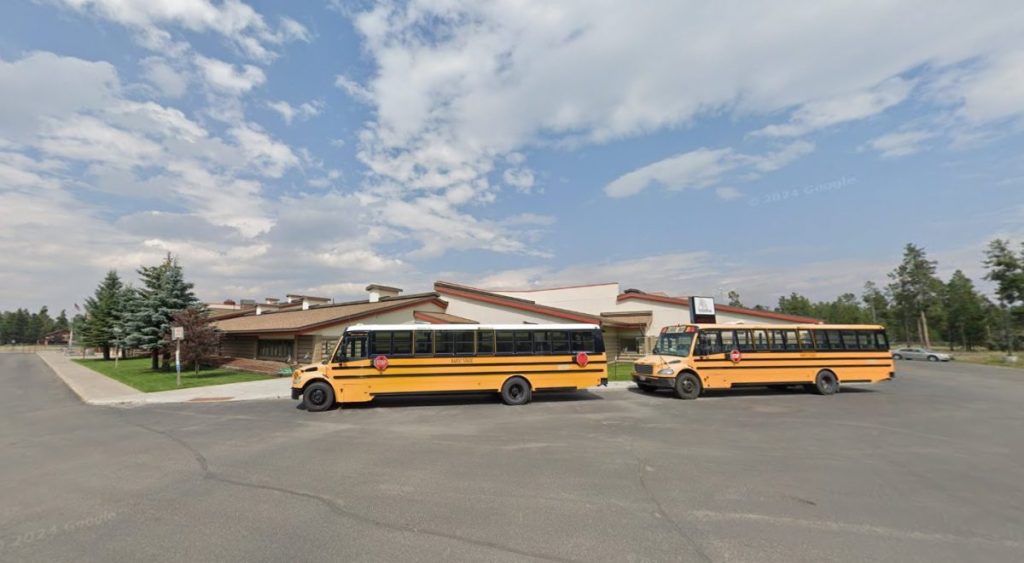
Education in West Yellowstone reflects the town’s small size, rural setting, and close-knit community values. Despite its remote location, the town offers a robust and supportive K–12 public school system, early childhood options, and access to excellent higher education institutions in nearby cities such as Bozeman.
Whether you’re moving to West Yellowstone for a seasonal job, a long-term opportunity, or simply relocating with your family, this guide will help you understand the educational landscape—from preschools to universities—and how to access it.
West Yellowstone School District Overview
The West Yellowstone School District #69 serves the entire community with a single school facility that houses grades pre-K through 12. Because of the town’s small population (approximately 1,200 permanent residents), the school is small, community-oriented, and focused on personalized education. Class sizes are typically between 10 to 20 students, which allows teachers to give individualized attention to every child.
West Yellowstone School
- Address: 411 N Geyser St, West Yellowstone, MT 59758
- Phone: (406) 646-7617
School Structure:
- Elementary School: Grades K–6
- Junior High: Grades 7–8
- High School: Grades 9–12
- Preschool Program: Available for eligible 3–4-year-olds through Early Head Start or district programming
Notable Programs:
- STEM curriculum across all grade levels
- Outdoor education programs that utilize Yellowstone National Park for field trips and science exploration
- After-school clubs, sports, student council, and art/music programs
- Athletics: basketball, volleyball, cross-country, track and field
- Special education and English Language Learner (ELL) support services
The school also serves students from rural outlying areas including families who work for the National Park Service, hospitality sector, or seasonal jobs. Because of this, the staff are very familiar with the unique schedules and challenges faced by children in seasonal households.
Enrollment Process:
New residents must complete an enrollment packet which includes:
- Birth certificate
- Immunization records
- Proof of residency
- School transcripts (if transferring)
- Emergency contact and health information
Enrollment can be initiated in person or by calling the school’s main office. Parents are encouraged to meet with administrators for a school tour and orientation.
Preschool & Daycare Options in West Yellowstone
Though limited, early childhood care is available in town. The options include both school-based preschool programs and private daycare providers. Because the town’s population swells in the summer, daycare slots fill up fast, and it’s best to reach out several months in advance.
West Yellowstone Early Childhood Education Programs
Located near the public school, these programs are run in collaboration with Head Start and local education nonprofits. They offer:
- Half-day and full-day preschool
- Age-appropriate curriculum for school readiness
- Structured learning, outdoor play, and meals
Contact: Call West Yellowstone School District at (406) 646-7617 for preschool registration details.
Home-Based Daycare Providers
Some families run licensed home-based daycares, especially during peak tourism seasons when demand for childcare rises. These may not always be listed online and are often advertised on:
- Facebook (search West Yellowstone Moms or Community Pages)
- Local bulletin boards (Post Office, Library, Market Place)
- Word of mouth through church groups or local businesses
Montana Digital Academy & Homeschooling
Montana state law supports homeschooling, and residents of West Yellowstone are legally allowed to homeschool their children by notifying the Gallatin County Superintendent of Schools. Some families in the area choose homeschooling due to:
- Seasonal work schedules
- Remote location
- Desire for flexible curriculum
The Montana Digital Academy (MTDA) also offers online courses for middle and high school students. MTDA is publicly funded and available to all Montana residents at no cost. Learn more at: https://montanadigitalacademy.org
Higher Education Access (Colleges & Universities)
While West Yellowstone doesn’t host any colleges of its own, several highly respected institutions are located within 1.5 to 2 hours’ drive, primarily in Bozeman, Montana. These institutions offer undergraduate and graduate programs, workforce development certificates, and remote learning options.
Montana State University (MSU) – Bozeman
- Distance: ~90 miles from West Yellowstone (via US-191 N)
- One of Montana’s top-ranked public universities
- Known for programs in:
- Earth sciences and ecology
- Education
- Agriculture and engineering
- Business and nursing
- Earth sciences and ecology
- Offers online, hybrid, and in-person learning formats
- Ideal for those looking to pursue career advancement or adult learning
Gallatin College MSU (Two-Year Community Campus)
- Offers associate degrees, workforce training, and technical certifications
- Excellent for:
- Healthcare career programs
- Hospitality and tourism training
- Trades and technical education
- Healthcare career programs
- Lower tuition and flexible scheduling options make it suitable for working adults
Continuing Education & Remote Learning Options
If you can’t commute to Bozeman, many Montanans turn to online learning:
- University of Montana Online: https://www.umt.edu/online
- MSU Online Degree Programs: https://www.montana.edu/online
- Coursera, edX, and LinkedIn Learning also offer professional development and certifications that may be valuable for hospitality, business, and service industry workers in West Yellowstone.
Final Notes for Families and Adult Learners
- Bus Service: Limited within town, but the school does offer some busing based on distance and weather.
- Community Involvement: Parents are welcome to volunteer at the school or attend school board meetings.
- After-School Care: Programs are offered through the school, but additional childcare is limited and in high demand.
- Affordable Learning: Scholarships and state programs are available through Montana’s Office of Public Instruction for low-income or first-generation college students.
Whether you’re raising a young family or looking to continue your own education, West Yellowstone offers a supportive, tight-knit educational environment, plus easy access to one of Montana’s premier university towns. With strong school leadership, outdoor-centered learning, and growing online resources, students of all ages can thrive in this mountain gateway community.
Shopping in West Yellowstone, MT
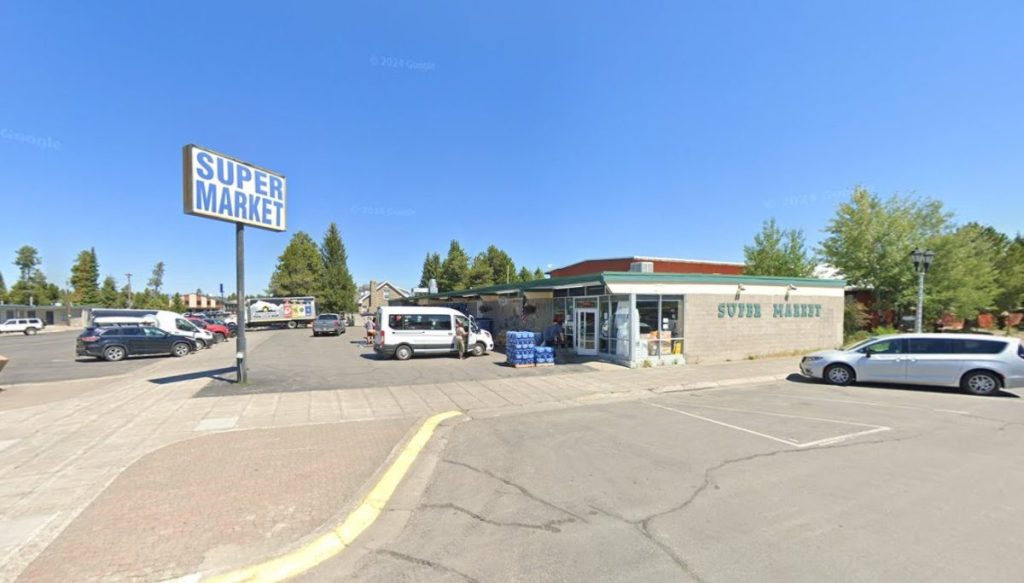
Shopping in West Yellowstone is all about convenience, local charm, and seasonal planning. As a small tourist-driven town located on the edge of Yellowstone National Park, you won’t find big-box chains like Target or Costco, but you will discover a variety of local grocery stores, convenience marts, outfitters, and gift shops that cater to both residents and visitors.
While prices can be higher than in larger Montana cities due to the town’s remote location and tourist demand, smart shopping and knowing where and when to buy can make a big difference—especially if you’re living on a modest budget.
Grocery Stores & Everyday Essentials
West Yellowstone has a few primary grocery and general merchandise stores that locals rely on year-round. While selection is limited compared to larger towns, these spots cover the basics:
Market Place
- Address: 20 Yellowstone Ave, West Yellowstone, MT 59758
- This is the largest full-service grocery store in town, carrying produce, meat, dairy, frozen goods, household items, and a small deli section.
- It’s the go-to spot for weekly grocery runs.
- Open year-round.
- Website: https://www.marketplacefood.com
Family Dollar
- Address: 139 Yellowstone Ave, West Yellowstone, MT 59758
- Affordable prices on pantry staples, snacks, cleaning supplies, toiletries, and seasonal goods.
- Great for quick, low-cost shopping.
- Open daily.
- Website: https://www.familydollar.com
West Mart (Sinclair Gas Station Store)
- Located at the Sinclair gas station on N Canyon Street
- Offers quick-grab groceries, beverages, and road-trip essentials
- Also sells gloves, hats, camping fuel, and some seasonal clothing
Local Markets & Seasonal Specialty Stores
During summer and early fall, West Yellowstone hosts pop-up markets and small vendors selling:
- Fresh baked goods
- Locally grown produce (mostly from nearby Idaho and Montana farms)
- Handmade crafts
- Local honey and preserves
Keep an eye out for signs around town or ask at the Visitor Center for seasonal farmers market schedules.
Gas Stations with Essentials
Because the town caters to travelers entering and exiting Yellowstone, most gas stations are well-stocked with basic supplies, including:
- Firewood and charcoal
- First aid kits
- Gloves, hats, and thermal socks
- Souvenirs and T-shirts
- Travel-size hygiene products
- Over-the-counter medicine and snacks
Notable locations:
- Exxon / Station 66 (corner of Canyon & Yellowstone)
- Conoco / Eagle’s Store Station (near Madison & Canyon)
- Sinclair Station (West Mart) – convenience store with expanded selection
Souvenir Shops & Local Boutiques
West Yellowstone’s downtown is packed with shops that may look like tourist-only destinations, but many also sell locally-made, practical, and budget-friendly items. Locals often buy clothing, gifts, and home goods here—especially off-season when prices drop.
Notable Spots:
- Eagle’s Store: Historic general store with outdoor gear, boots, gloves, clothing, and some groceries.
- Yellowstone Trading Post: Sells Montana-made soaps, jewelry, and basic clothing items.
- West Yellowstone Clothing Co.: T-shirts, jackets, souvenirs, and seasonal discounts.
- Big Sky Anglers: Specializes in fishing gear, but also carries weather-appropriate outerwear and gear for hiking and fly fishing.
Where to Find Budget-Friendly Options
- Family Dollar – Best for low-cost essentials, especially paper goods, toiletries, and snacks.
- Off-Season Sales – Many tourist shops slash prices in September/October. Great time to buy clothing, jackets, gloves, and souvenirs.
- Local Bulletin Boards – Check places like the Post Office, Library, or Market Place for flyers offering garage sales, second-hand goods, or bulk groceries for sale.
- Facebook Groups – Look for:
- West Yellowstone Buy/Sell/Trade
- West Yellowstone Community Page Often used for selling gently used furniture, appliances, or bulk household items.
- West Yellowstone Buy/Sell/Trade
- Bozeman Trips – If you have a vehicle and can make the ~90-mile trip, plan occasional shopping runs to Bozeman to visit:
- Walmart Supercenter
- Target
- Costco (membership required)
- WinCo Foods or Smith’s Grocery
- Walmart Supercenter
Tip: Consider teaming up with coworkers to carpool to Bozeman for a monthly shopping trip and split fuel costs.
Winter Shopping Tips
- Stock up early on winter clothing, snow boots, and long underwear—prices rise during tourist season.
- Market Place carries winter supplies (shovels, gloves, etc.), but selection is limited.
- Order online from REI, Sierra, or Amazon when in-town options are limited, but plan ahead for delivery delays due to weather and rural shipping schedules.
West Yellowstone may not have the convenience of a big-city retail environment, but it offers everything you need to live comfortably—if you know where to look. By mixing smart shopping habits, supporting local businesses, and utilizing online resources when needed, you can find a healthy balance between affordability and convenience.
Dining in West Yellowstone, MT
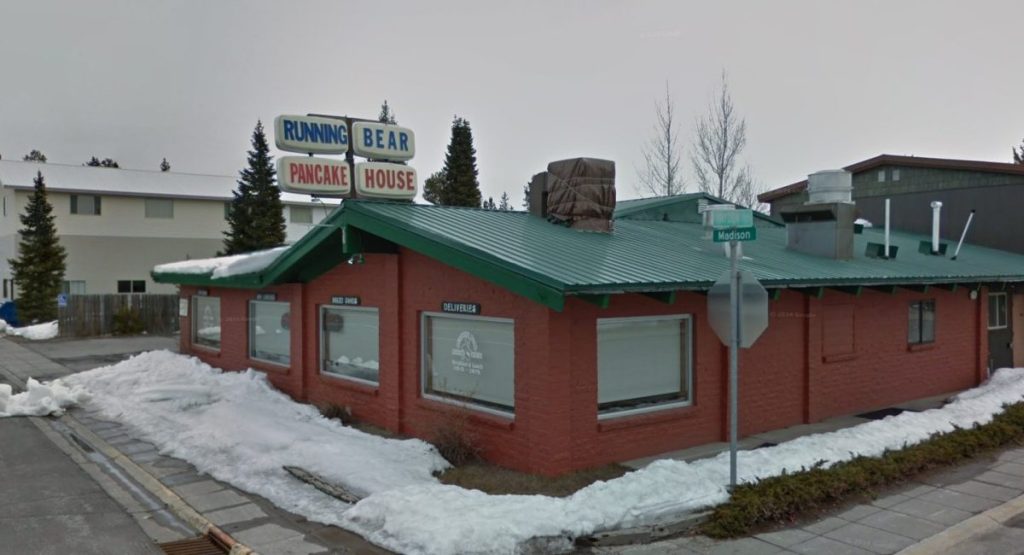
West Yellowstone may be a small town, but it boasts a surprisingly wide variety of dining options, thanks to its status as one of the busiest gateways to Yellowstone National Park. With a mix of fast food, family-run eateries, and seasonal gems, residents and seasonal workers can find something to suit every taste and budget.
Because the tourism season runs from May to October, many restaurants operate seasonally. In winter, the selection narrows, but there are still reliable places open year-round for dine-in, takeout, or delivery.
McDonald’s & Other Fast-Food Options
If you’re working at McDonald’s at 100 S Canyon St, you’ll enjoy a central location that’s within walking distance of most food spots in town. Your restaurant is open year-round and serves breakfast, lunch, and dinner—making it a popular stop for both tourists and locals.
Other quick eats in town include:
Taco Bus
- A popular seasonal Mexican food truck parked along Madison Ave
- Known for generous burritos, tacos, and quesadillas
- Inexpensive, fast, and filling
Ernie’s Bakery and Deli
- Address: 406 US-20, West Yellowstone, MT 59758
- Serves hearty breakfast burritos, sandwiches, and boxed lunches
- Great option for grab-and-go meals if you’re heading into the park
Local Diners, Cafes & Family-Run Restaurants
West Yellowstone’s true dining charm lies in its local eateries. Many are family-owned and serve classic American comfort food, home-baked goods, or regional specialties.
Running Bear Pancake House
- Address: 538 Madison Ave, West Yellowstone, MT 59758
- One of the most beloved breakfast spots in town
- Popular with both locals and seasonal workers
- Known for pancakes, omelets, and friendly service
- Open seasonally
Three Bear Restaurant
- Address: 205 Yellowstone Ave, West Yellowstone, MT 59758
- Located inside the historic Three Bear Lodge
- Sit-down meals with a rustic Montana vibe
- Serves hearty American fare for breakfast and dinner
Espresso West
- Address: 137 Yellowstone Ave, West Yellowstone, MT 59758
- Small local coffee stand with pastries and sandwiches
- Open seasonally—great for morning caffeine and snacks
Old Town Cafe
- Address: 123 Dunraven St, West Yellowstone, MT 59758
- Classic diner-style breakfasts and lunches
- Affordable pricing and consistent quality
- Open year-round
Best Takeout, Pizza & Casual Meals
When you’re looking for something fast and satisfying, West Yellowstone has a few go-to takeout spots.
Wild West Pizzeria & Saloon
- Address: 14 Madison Ave, West Yellowstone, MT 59758
- Hands-down the local favorite for pizza
- Dine-in and takeout available
- Large portions and a relaxed saloon atmosphere
- Try the chicken wings and cheesy breadsticks
Pete’s Rocky Mountain Pizza
- Address: 112 Canyon St, West Yellowstone, MT 59758
- Serves pizza, pasta, salads, and sandwiches
- Known for thin-crust pies and friendly service
- Budget-friendly and open late during summer
Slippery Otter Pub
- Address: 139 N Canyon St, West Yellowstone, MT 59758
- Offers burgers, sandwiches, and Montana beers on tap
- Casual setting great for after-work meals
- Open seasonally
Seasonal Dining Spots & Hidden Gems
Many local restaurants only open from May to October, and they cater to park visitors. But some of these seasonal spots become favorites for locals and employees during the busy months:
Las Palmitas (The Taco Bus)
- A hidden gem and local staple for over a decade
- Open May through September
- Known for large portions and quick service
Taqueria Malverde
- Newer addition to the food scene offering authentic Mexican dishes
- Homemade tortillas and daily specials
- Check local reviews for operating hours
Cafe Madriz
- Seasonal Spanish-style tapas restaurant
- A little pricier but perfect for a treat or night out
- Great ambiance and flavors not typically found in small towns
Tips for Dining in West Yellowstone
- Tourist Season = Busy Restaurants
In the summer, expect long waits at dinner time. Order takeout ahead or eat early to avoid crowds. - Off-Season Closures
Between November and April, many eateries close or reduce hours. Call ahead or check Google listings for current hours. - Local Discounts
Some restaurants offer “locals” discounts for full-time residents or seasonal workers. Ask politely if you qualify—especially if you’re working at McDonald’s or another service job. - Meal Prep & Groceries
With limited year-round options, many locals rely on Market Place or Family Dollar to buy groceries and prep meals at home. It’s a good way to save money. - Delivery Options
DoorDash and Uber Eats are not active in West Yellowstone. If you’re looking for delivery, it’s best to call the restaurant directly or arrange pickup.
Though remote, West Yellowstone offers a surprisingly diverse and satisfying food scene. Whether you’re grabbing a burger after work, meeting friends for pizza, or sitting down to a big pancake breakfast, there’s something for everyone. With a little planning (especially in winter), you’ll never go hungry—and might even discover a few local favorites of your own.
Entertainment & Recreation in West Yellowstone, MT
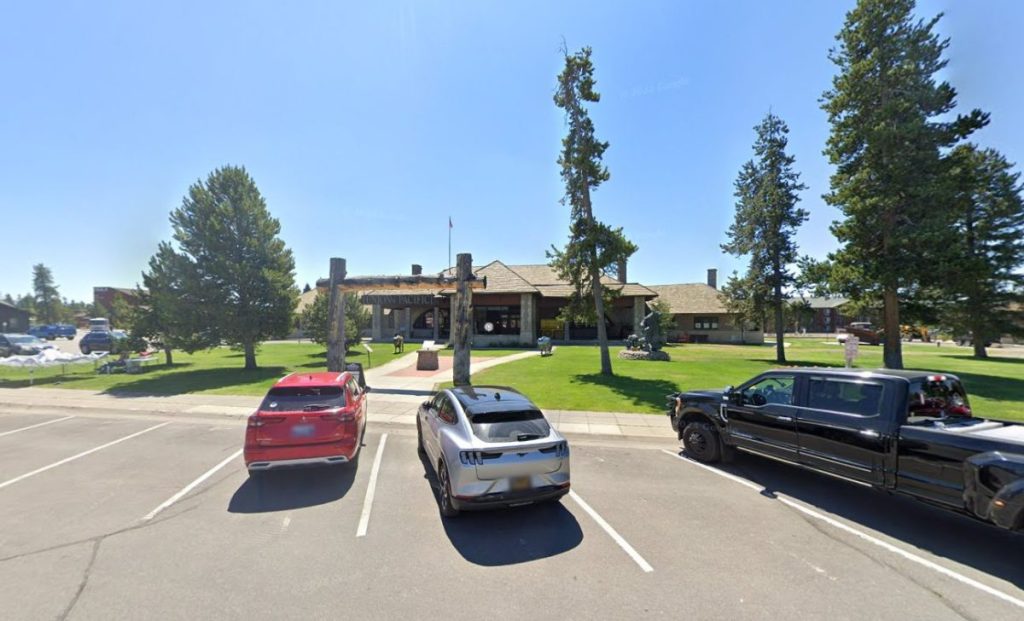
Living and working in West Yellowstone means you’re not just surrounded by small-town charm—you’re also at the doorstep of one of the most famous and stunning natural areas in the world: Yellowstone National Park. Whether you’re here for a season or settling in long-term, West Yellowstone offers outdoor adventures, historical sites, fitness options, and a surprising number of cultural experiences for a town of its size.
If you’re looking for a place to relax after work, explore the outdoors, or connect with the local community, this section has you covered.
Access to Yellowstone National Park
West Yellowstone is the western gateway to Yellowstone National Park, with the West Entrance just half a mile from downtown. For residents, this means unparalleled access to trails, geysers, rivers, and wildlife. Park access is open to vehicles from late April through early November, while winter access is limited to guided snowmobile or snowcoach tours.
As a local or seasonal employee, you can purchase a Yellowstone Annual Pass for $70, or if you walk or bike into the park, the entry fee is typically just a few dollars.
Must-See Yellowstone Highlights Nearby:
- Madison River Area (15 min): Excellent fishing and picnicking
- Norris Geyser Basin (45 min): Steaming pools and geysers
- Old Faithful & Upper Geyser Basin (1 hr): Iconic geyser eruptions, boardwalk trails
- Firehole River: Swimming allowed in designated areas
- Wildlife watching: Look out for elk, bison, bald eagles, and more
Tip: Bring a good pair of hiking shoes, bear spray, and layers. Weather can change rapidly, even in summer.
Seasonal Activities & Outdoor Fun
Spring & Summer
- Hiking & Biking: Trailheads are abundant both in-town and just outside park gates. Try the Riverside Trail Loop or Boundary Trail for easy hikes from town.
- Fishing: West Yellowstone is world-renowned for fly fishing. The Madison, Firehole, and Gallatin Rivers offer accessible and scenic spots.
- Boating: Head to Hebgen Lake (20 minutes northwest) for kayaking, paddleboarding, or motorboating.
- Camping & Stargazing: Numerous nearby campgrounds, such as Baker’s Hole or Madison Campground, make weekends under the stars unforgettable.
Fall
- Wildlife Viewing: Autumn is elk rutting season—listen for bugling calls in the early morning.
- Scenic Drives: Take a weekend drive through the park for vivid fall foliage and cool-weather hikes.
Winter
- Snowmobiling: West Yellowstone is known as the “Snowmobile Capital of the World.” You can rent machines or take a guided tour through snow-covered trails.
- Cross-Country Skiing: Try the Rendezvous Ski Trails, a network of professionally groomed paths for all levels.
- Snowcoach Tours: Non-drivers can still experience Yellowstone in winter through these heated vehicle tours.
- Ice Fishing on Hebgen Lake is also popular for locals.
Tip: Many businesses and recreation services close in winter. Always call ahead or check websites before making plans.
Museums, Visitor Centers & Cultural Attractions
Even in a remote setting, West Yellowstone offers meaningful cultural experiences that explore local history, wildlife, and park traditions.
Yellowstone Historic Center Museum
- Location: 104 Yellowstone Ave, West Yellowstone, MT
- Open mid-May to October
- Exhibits on early tourism, stagecoach travel, and railroads
- Special events and guest speakers during the summer
- Website: https://www.yellowstonehistoriccenter.org
Grizzly & Wolf Discovery Center
- Location: 201 S Canyon St, West Yellowstone, MT
- A nonprofit wildlife park and educational center open year-round
- Home to rescued grizzly bears, wolves, otters, and birds of prey
- Ticket valid for two consecutive days
IMAX Theater
- Located next to the Discovery Center
- Shows a daily lineup of nature documentaries and Yellowstone-focused films on a six-story screen
- Great rainy-day or off-season activity
Community Centers, Parks & Fitness
West Yellowstone doesn’t have a large-scale community center or gym, but it does offer several local facilities and ways to stay active and social.
Rendezvous Ski Trails & Trailhead Building
- Location: Geyser Street (just behind the post office)
- Groomed trails for skiing in winter; walking and biking in summer
- Trail pass required in winter
- Trailhead building includes bathrooms and warming space
West Yellowstone City Park
- Centrally located with:
- Playground
- Tennis court
- Basketball hoop
- Picnic shelters
- Playground
- Regularly used for community events and summer festivals
West Yellowstone Recreation Department
- Offers occasional fitness classes, leagues, and youth programs
- Call City Hall or follow local Facebook pages for schedules
Local Gyms (Limited Options)
There are no large commercial gyms in West Yellowstone, but a few lodging properties have small fitness centers that may offer day passes. Ask around at:
- Holiday Inn West Yellowstone
- Three Bear Lodge
- Or consider portable workouts and trail running!
Festivals, Events & Local Happenings
- 4th of July Celebrations: Fireworks, parades, and events in the city park
- Rod Run (Car Show): Held in August, bringing in hot rods and classic cars
- Snowmobile Expo: Popular winter event featuring snowmobile races and product demos
- Arts & Crafts Festivals: Usually set up in city park during peak season
Stay connected to events via the West Yellowstone Chamber of Commerce:
https://www.destinationyellowstone.com
In West Yellowstone, your backyard is a world-class natural wonder, and entertainment often comes in the form of fresh air, wildlife sightings, and star-filled skies. From seasonal festivals to cross-country skiing, there’s always something to do if you’re up for exploration.
Churches & Places of Worship in West Yellowstone, MT
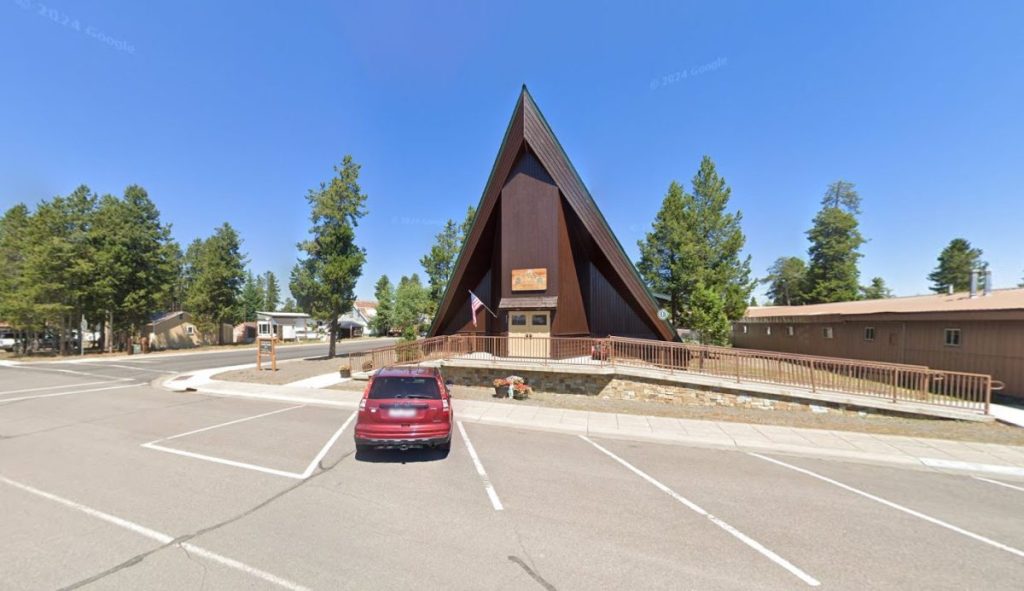
Though West Yellowstone is a small town, its churches and places of worship reflect the deep sense of community and hospitality that defines the area. Whether you’re practicing your faith regularly or simply looking for fellowship and volunteer opportunities, you’ll find several welcoming congregations and faith-based programs offering services, outreach, and support.
Local Churches in West Yellowstone
1. The Church of Jesus Christ of Latter-day Saints (LDS)
- Address: 245 Yellowstone Ave, West Yellowstone, MT 59758
- Phone: (406) 646-9766
- Offers Sunday services, youth activities, and family support
- Known for being welcoming to seasonal workers and visitors
- Community service-oriented with a strong volunteer base
2. St. Francis of Assisi Catholic Church
- Address: 707 S Electric St, West Yellowstone, MT 59758
- Phone: (406) 646-7745
- Part of the Diocese of Helena
- Mass is held on Sundays and Holy Days
- Offers sacraments (baptism, confirmation, marriage) by appointment
- Has a small parish community that is active during the tourist season
3. Union Congregational Church (UCC – Non-Denominational/Protestant)
- Address: 402 Geyser St, West Yellowstone, MT 59758
- Phone: (406) 646-7301
- Affiliated with United Church of Christ and United Methodist Church
- Sunday morning services open to all
- Emphasis on community outreach, spiritual education, and inclusivity
- Also hosts Alcoholics Anonymous (AA) and other local support meetings
Faith-Based Support & Community Programs
Most churches in West Yellowstone offer more than just worship services. They play a key role in supporting both full-time residents and seasonal workers, especially in times of need.
Common Offerings:
- Free or low-cost meals and food pantries
- Winter coat drives and clothing swaps
- Grief and counseling support groups
- Volunteer-driven childcare during services
- Holiday outreach programs (Thanksgiving dinners, Christmas gifts for families)
Many of these services are coordinated through the Union Congregational Church or in partnership with town nonprofits and the West Yellowstone Food Bank.
Youth & Family Programs
If you have children or teens, several churches host Sunday School, youth groups, and community gatherings that provide mentorship, activities, and spiritual education.
- LDS Church: Offers structured youth programs (ages 12–18) on weekday evenings
- St. Francis of Assisi: Provides children’s religious education and confirmation prep
- Union Congregational: Hosts informal Sunday School, seasonal plays, and youth volunteer days
During the summer season, local churches sometimes organize Vacation Bible School (VBS) or partner with regional ministries for youth events in nearby towns like Big Sky or Bozeman.
Other Spiritual or Meditation Resources
While West Yellowstone does not currently have a synagogue, mosque, or formal Buddhist temple, visitors and residents of other faiths sometimes gather informally or travel to nearby cities for services:
- Bozeman, MT (approx. 90 miles away) has:
Locals of non-Christian faiths may also use online worship options or organize small gatherings in homes.
Volunteer Opportunities through Local Churches
If you’re looking to get involved in the community or build relationships outside of work, many churches welcome volunteers. Typical needs include:
- Food pantry help
- Organizing clothing donations
- Assisting with seasonal events
- Teaching Sunday School or helping with child care
- Groundskeeping and light maintenance work
Volunteering can be a great way to meet locals, give back to the town, and make meaningful connections.
Whether you’re seeking spiritual nourishment, a supportive community, or just a space to reflect and connect, West Yellowstone’s churches and faith-based groups offer a welcoming and important anchor in this rugged and beautiful setting. No matter your background, you’ll find opportunities to belong, serve, and grow.
Public Transportation in West Yellowstone, MT

Public transportation in West Yellowstone is limited but manageable, especially if you’re living close to town. Because West Yellowstone is a small, walkable community with a central business and residential area, many people get around by foot, bike, or seasonal shuttle services. While there’s no full-time city-run transit system, there are creative and community-supported options for getting to work and around town without a personal vehicle.
Overview of Transportation Options in West Yellowstone
West Yellowstone’s size and layout make it highly walkable, especially during spring, summer, and early fall. The entire town is only about 1 square mile, and McDonald’s at 100 S Canyon Street is located right in the center of town, close to rental housing, stores, and services.
You’ll find the following transit and mobility options:
1. Walking
- Most year-round housing and seasonal rentals are within a 10- to 15-minute walk of McDonald’s.
- Sidewalks run along all main streets (Canyon, Yellowstone, Madison, etc.), and walking is a common and safe mode of commuting.
- In winter, sidewalks are often plowed, but you’ll need good boots and traction cleats due to heavy snow and ice.
2. Biking
- Biking is one of the most popular ways to commute in town during summer and fall.
- Many locals ride to work at McDonald’s, using Canyon Street, Geyser Street, or Yellowstone Avenue.
- Bike racks are available near many businesses, including McDonald’s.
- Tip: Invest in a sturdy bike lock, helmet, and lights for early morning or late evening shifts.
3. Seasonal Shuttle & Park Transportation
While there is no fixed city bus service, several seasonal transportation options operate in and around West Yellowstone—especially geared toward tourists and park access:
- Yellowstone National Park Shuttles (Summer only)
Local tour companies and guides offer scheduled shuttles into the park. Some employers provide pick-up/drop-off services for seasonal staff working in Yellowstone or nearby lodges.
Look into:
- Two Top Snowmobile & Shuttle Services (winter access)
- Two Top Snowmobile & Shuttle Services (winter access)
- Snowcoach and Snowmobile Tours (Winter)
In the winter, when vehicle access to Yellowstone is closed, many tour companies provide snowcoach routes, some of which allow staff discounts or space for seasonal workers commuting to in-park jobs. - Lone Peak Shuttle (Big Sky & Bozeman)
While this service is not based in West Yellowstone, seasonal workers in the region often coordinate rides to Bozeman or Big Sky via the Lone Peak Shuttle or by ridesharing.
Getting to McDonald’s at 100 S Canyon Without a Car
If you’re living in or near West Yellowstone town proper, here’s how to get to McDonald’s from common housing areas:
From Madison Avenue / Firehole Avenue Rentals
- 5–10 minutes walking distance
- Direct route via Canyon Street or Madison Ave
- Bike and pedestrian-friendly
From Yellowstone Avenue / Dunraven St Area
- 5-minute bike ride or 10–15 minutes walking
- Pass through downtown shops and stores
- Lit sidewalks and low-traffic streets make this route easy and safe
From Geyser Street / RV Parks or Cabins
- 10-minute walk or quick bike ride
- Use Geyser or Boundary Streets to cut across to Canyon Street
Winter Reminder: If you’re walking to work during winter, expect deep snow, icy sidewalks, and sub-zero temperatures. Dress in layers, wear snow boots, and give yourself extra time for slower commutes.
Transportation Tips for Residents Without a Vehicle
- Bring a Reliable Bike
It’s one of the best investments you can make. Keep it tuned up and store it indoors or in a shed during snow season. - Carpool with Coworkers
Many employees at McDonald’s and other nearby businesses live close together. Talk with your manager about scheduling or connect with coworkers to ride-share or split gas for out-of-town trips. - Use Facebook Groups
Join local groups like:
- West Yellowstone Community Page
- West Yellowstone Buy/Sell/Trade People often post rides to Bozeman, Big Sky, or Idaho Falls.
- West Yellowstone Community Page
- Plan for Supply Runs
Without a car, shopping for large items (like winter coats or groceries) can be tricky. Team up with a friend or roommate who drives, or make occasional trips to Bozeman for bulk shopping. - Emergency Backup Plans
In the event of a snowstorm or transportation issue, have a backup plan for how to get to work—whether that’s walking, calling in early, or coordinating with a neighbor.
While West Yellowstone doesn’t offer a traditional city bus system, it doesn’t really need one. Its compact layout makes walking and biking extremely practical, especially for those working downtown at McDonald’s or other local businesses. And thanks to seasonal shuttles and strong community connections, even those without personal vehicles can get around comfortably with a little planning.
Health & Wellness in West Yellowstone, MT
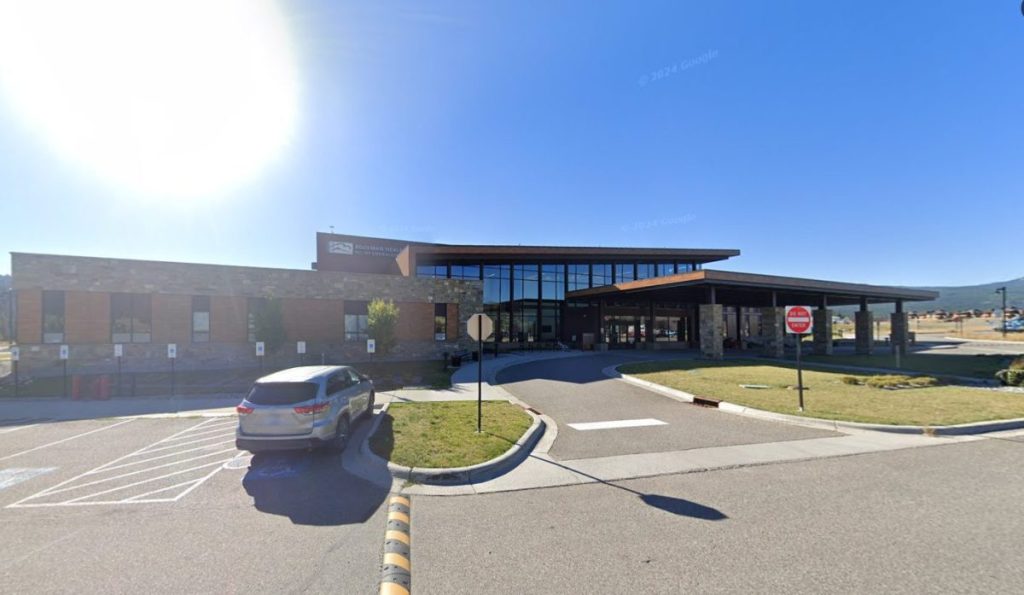
Living in West Yellowstone comes with the perks of beautiful surroundings and outdoor adventure—but due to its remote location, access to healthcare requires a bit of planning. While the town has essential medical services like urgent care and walk-in clinics, major hospitals and specialists are located in larger cities like Bozeman or Big Sky.
Whether you’re a full-time resident, seasonal worker at McDonald’s, or here with your family, it’s important to know where to go for routine care, emergencies, and wellness support.
Local Clinics, Urgent Care & Emergency Services
1. Community Health Partners – West Yellowstone
- Address: 11 S Electric St, West Yellowstone, MT 59758
- Phone: (406) 646-9441
- Provides comprehensive primary care, dental services, behavioral health, and chronic disease management.
- Sliding scale fees based on income (ideal for workers and families).
- Offers same-day and scheduled appointments.
2. Hebgen Basin Fire District – EMS & Ambulance Services
- Address: 120 Yellowstone Ave, West Yellowstone, MT 59758
- Phone: (406) 646-9094
- Operates emergency medical response services, including 911-based ambulance dispatch.
- If you have a serious medical emergency, call 911, and the nearest response team will transport you to the most appropriate facility.
Nearest Hospitals for In-Patient & Emergency Care
Because West Yellowstone doesn’t have a full-service hospital, more complex or in-patient medical care will require travel to nearby facilities.
1. Big Sky Medical Center (Bozeman Health)
- Address: 334 Town Center Ave, Big Sky, MT 59716
- Phone: (406) 995-6995
- Distance: ~50 miles (1 hour drive)
- 24/7 emergency room services
- On-site imaging, lab, and outpatient services
2. Bozeman Health Deaconess Regional Medical Center
- Address: 915 Highland Blvd, Bozeman, MT 59715
- Phone: (406) 414-5000
- Distance: ~90 miles (1.5–2 hours by car)
- Full-service hospital with emergency care, specialists, surgery, maternity, and more
- The go-to facility for serious illnesses or longer-term care
Tip: If you’re working a seasonal job or do not have full insurance, ask about sliding scale or charity care programs at Bozeman Health or Community Health Partners.
Pharmacies & Medical Supplies
1. Rexall Drug
- Address: 30 Yellowstone Ave, West Yellowstone, MT 59758
- Phone: (406) 646-7376
- West Yellowstone’s only full-service pharmacy
- Offers prescription fulfillment, basic OTC medications, and limited medical supplies
2. Bozeman & Big Sky Pharmacy Options
For specialty medications or larger medical supply needs:
- Walgreens Bozeman – 1955 W Main St, Bozeman, MT
- CVS Pharmacy Bozeman – 1705 W Main St, Bozeman, MT
- Call ahead for medication transfers if you’re moving from another state
Mental Health Resources & Counseling
1. Community Health Partners – Behavioral Health Services
- Offers in-person and virtual mental health counseling for adults and youth
- Accepts Medicaid and offers affordable sliding-scale payment options
- Services include individual therapy, stress management, and substance abuse support
2. Bozeman Help Center (Crisis Support)
- Crisis Line: (406) 586-3333 (available 24/7)
- Although based in Bozeman, they provide free, confidential crisis support to West Yellowstone residents by phone
- Can help with depression, anxiety, housing instability, suicidal thoughts, and more
3. Telehealth & Online Therapy Services
For greater flexibility or privacy, consider using:
- https://www.betterhelp.com (online licensed therapy)
- https://www.talkspace.com
- Montana’s Behavioral Health Telehealth Resources: https://dphhs.mt.gov
Tip: If you’re employed at McDonald’s or another large company, ask HR about Employee Assistance Programs (EAPs) for free or low-cost therapy.
Fitness & Wellness
While there are no major gyms in town, West Yellowstone offers plenty of outdoor wellness options and basic fitness opportunities:
- Rendezvous Ski Trails – Great for hiking in the summer and cross-country skiing in winter. Located just south of town off Geyser Street.
- West Yellowstone Park – Offers tennis courts, a basketball hoop, and open grassy areas for outdoor workouts.
- Yoga Classes – Seasonal yoga events are sometimes held at Union Congregational Church or through local groups. Check Facebook groups or flyers around town for announcements.
- Hotel Fitness Centers – Some hotels like Holiday Inn or Three Bear Lodge may offer day passes or community fitness access in the off-season. Call ahead.
Wellness Tips
- Altitude Awareness: At over 6,600 feet, West Yellowstone’s high elevation may cause fatigue, shortness of breath, or dehydration. Stay hydrated and rest frequently during your first few days.
- Winter Readiness: Cold weather and heavy snow can be mentally and physically challenging. Layer your clothing, take vitamin D, and stay connected to local wellness groups.
- Plan for Emergencies: Identify where your nearest clinic and pharmacy are, especially if you have ongoing health conditions.
Community Resources in West Yellowstone, MT
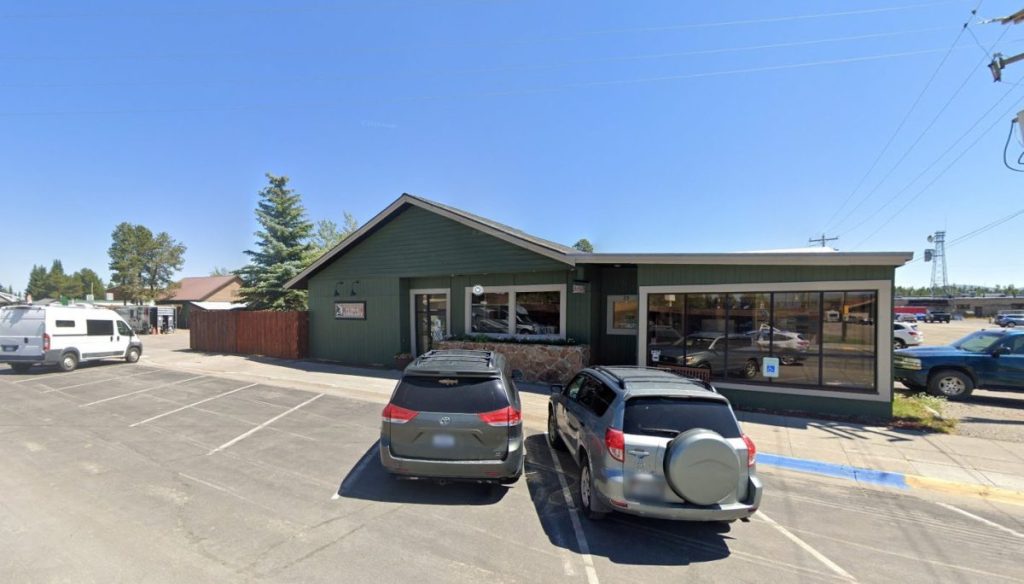
Though small in size, West Yellowstone offers a strong and supportive network of community services, local government resources, and volunteer opportunities. Whether you’re here for a season or settling in more permanently, these community institutions play a key role in helping residents find work, get assistance, and build meaningful connections.
This section will guide you to free public internet, educational programs, social services, and organizations that enrich life in West Yellowstone.
West Yellowstone Public Library
📍 Address: 23 N Dunraven Street, West Yellowstone, MT 59758
📞 Phone: (406) 646-9017
🌐 Website: https://www.westyellowstone.mtlibrary.org
The West Yellowstone Public Library is more than just a place to borrow books—it’s a hub for internet access, job searching, language learning, and community programs.
Services include:
- Free public Wi-Fi and internet-connected computers
- Printing, scanning, and faxing services
- Resume help and job application support
- ESL (English as a Second Language) resources
- Seasonal storytime and reading events for kids
- Interlibrary loan and access to online Montana databases
Tip: Library cards are free for residents and workers. Just bring a photo ID and proof of local employment or address.
City Hall & Local Government Services
📍 Address: 440 Yellowstone Ave, West Yellowstone, MT 59758
📞 Phone: (406) 646-7795
West Yellowstone’s City Hall houses administrative services, utilities billing, and community planning. It’s also the best place to go for questions about:
- Trash and water service
- Parking permits and local regulations
- Seasonal employment opportunities with the town
- Council meeting schedules and town improvement plans
Need to get involved in your neighborhood or ask about snow removal zones? This is the place to go.
Job Support Services & Internet Access
Although West Yellowstone doesn’t have a dedicated job center, the library, local nonprofits, and employers themselves often help connect people with open roles.
Local Job Support Options:
- Library computers for resume writing and job applications
- McDonald’s and local hotels/restaurants frequently hire seasonal workers
- Check bulletin boards at the library, City Hall, and Family Dollar
- Follow Facebook groups like West Yellowstone Jobs or West Yellowstone Community Page
Remote Work Support
If you work remotely or are seeking online opportunities:
- The library provides quiet workstations and reliable Wi-Fi
- Free Wi-Fi is also available at McDonald’s, city parks, and many local cafés
Social Programs & Assistance
West Yellowstone has limited but important support systems in place for people facing challenges like housing instability, food insecurity, or healthcare needs.
Key Resources Include:
1. West Yellowstone Food Bank
- Operated by local churches and volunteers
- Offers weekly food distribution, especially during winter months
- Contact Union Congregational Church for details
2. Community Health Partners
- Provides behavioral health support, low-cost dental care, and chronic disease assistance
- Offers help enrolling in Medicaid or applying for low-income assistance
3. Faith-Based Organizations
- Churches often organize coat drives, food baskets, and holiday gifts
- Support groups for grief, recovery, and parenting may be available seasonally
Volunteer Opportunities & Getting Involved
One of the best ways to feel at home in West Yellowstone is to give back and get involved. Volunteering is a great way to meet neighbors, stay active, and make a difference.
Places to Volunteer:
- Library – Help with children’s programs, book sales, or tech support
- Grizzly & Wolf Discovery Center – Opportunities to help with events or conservation awareness
- Local Churches – Food pantries, clothing drives, or cleaning projects
- West Yellowstone Foundation – Offers seasonal projects, town beautification efforts, and more
Tip: Even if you’re only in town for a few months, many local organizations welcome short-term volunteers, especially during the busy summer season.
From library programs to food banks, local government support to grassroots volunteering, West Yellowstone offers a tight-knit, resourceful community that’s easy to connect with—whether you’re here to work, raise a family, or simply explore Yellowstone’s backyard.
Cost of Living in West Yellowstone, MT

West Yellowstone offers stunning natural beauty, a welcoming small-town atmosphere, and immediate access to Yellowstone National Park. However, the cost of living in this remote, tourism-driven town is higher than in many other areas of Montana. If you’re moving here for a job at McDonald’s at 100 S Canyon or another seasonal or year-round opportunity, understanding the local expenses is essential to budgeting wisely.
Rent and Housing Costs
Rental housing is in high demand—especially in the summer season when tourists and seasonal workers flood the area. Year-round housing is limited, and availability can be competitive.
If you’re renting a room or sharing an apartment with others, expect to pay between $700 and $1,000 per month. A one-bedroom apartment can range from $1,000 to $1,400 depending on proximity to downtown and amenities. Two- or three-bedroom homes or cabins can cost anywhere from $1,500 to $2,200 per month, especially if they’re fully furnished or available short-term. Prices tend to increase significantly between May and September.
Securing housing early—well before the tourist season kicks in—is one of the best ways to save money and avoid being left with only high-end or last-minute options.
Utilities and Internet
Utilities like electricity, heating (often propane or electric), water, and trash service typically cost between $150 and $250 per month for a small apartment. Winters can be especially expensive due to the need for heating, so factor in extra costs from November through March.
Internet access is available from providers such as CenturyLink and HughesNet. Expect to pay $60 to $100 per month depending on your speed and plan. If you work from home or stream frequently, it’s worth investing in a reliable connection, though speeds may be slower than in urban areas.
Groceries and Essentials
Grocery costs in West Yellowstone are higher than in larger cities like Bozeman or Billings due to transportation and limited competition. On average, a single person might spend $300 to $450 per month on groceries.
You’ll find basic supplies at places like West Yellowstone Grocery, Family Dollar, and convenience stores attached to gas stations. For more variety and better prices, many locals make occasional trips to Bozeman (about 90 miles away) to shop at larger stores like Walmart, Albertsons, or Costco.
If you have roommates or coworkers, consider coordinating shopping trips or splitting bulk orders to help save on food and household items.
Gas and Transportation Costs
Fuel prices in West Yellowstone are typically higher than in other Montana towns due to its remote location. Gas prices may range from $3.50 to $4.50 per gallon. Winter driving requires additional expenses like snow tires, antifreeze, and car maintenance due to extreme cold and icy conditions.
Because the town is walkable, many people avoid owning a vehicle altogether during the summer. Biking and walking are common ways to get to work, especially if you live near downtown or within a few blocks of McDonald’s. Seasonal shuttles and tour buses are sometimes available, but public transit is limited overall.
How It Compares to Other Cities
Compared to cities like Bozeman, Billings, or Missoula, West Yellowstone has higher rent, more expensive groceries, and limited access to lower-cost shopping. However, you may find that your entertainment costs are lower, especially if you enjoy outdoor recreation, which is free or low-cost.
West Yellowstone’s cost of living is on par with or slightly higher than tourist towns of similar size, especially because of seasonal price spikes and limited inventory.
Budgeting Tips for Living in West Yellowstone
- Plan for Seasonal Income Fluctuations: Work hours may vary between summer (busy season) and winter (slower months). Try to save money during the high season to cover quieter months or reduced hours.
- Share Housing When Possible: Look for roommates or shared housing to keep rent and utilities manageable. Employers like McDonald’s may also be able to connect you with other new hires looking for housing.
- Cook at Home: Eating out can be expensive, and options are limited. Learn a few simple meals and stock up on staples when shopping in Bozeman.
- Use Local Resources: West Yellowstone has support networks such as the food pantry at Union Congregational Church, Community Health Partners (for medical and social services), and the public library, which offers free internet and printing.
- Buy Off-Season: If you plan to stay through the winter, try to purchase clothing and gear in the fall or spring when prices drop. Layering is essential for winter, and used clothing stores or online deals can help you stay warm without breaking the bank.
Assistance and Support Services
If you’re struggling with basic expenses like rent, food, or medical bills, there are several local and regional organizations that can help:
- Union Congregational Church often runs food drives and provides support to seasonal workers.
- Community Health Partners offers sliding-scale medical and mental health services and can assist with Medicaid or SNAP enrollment.
- HRDC in Bozeman may provide assistance with heating bills, housing support, and job training programs.
- Local churches frequently organize free meal nights, clothing drives, and emergency support throughout the year.
West Yellowstone is a rewarding place to live and work, but its cost of living requires planning, especially if you’re new to the area or adjusting to seasonal employment. With smart budgeting, shared housing, and use of community resources, you can enjoy everything this mountain town has to offer while staying financially stable.
McDonald’s – 100 S Canyon, West Yellowstone, MT 59758
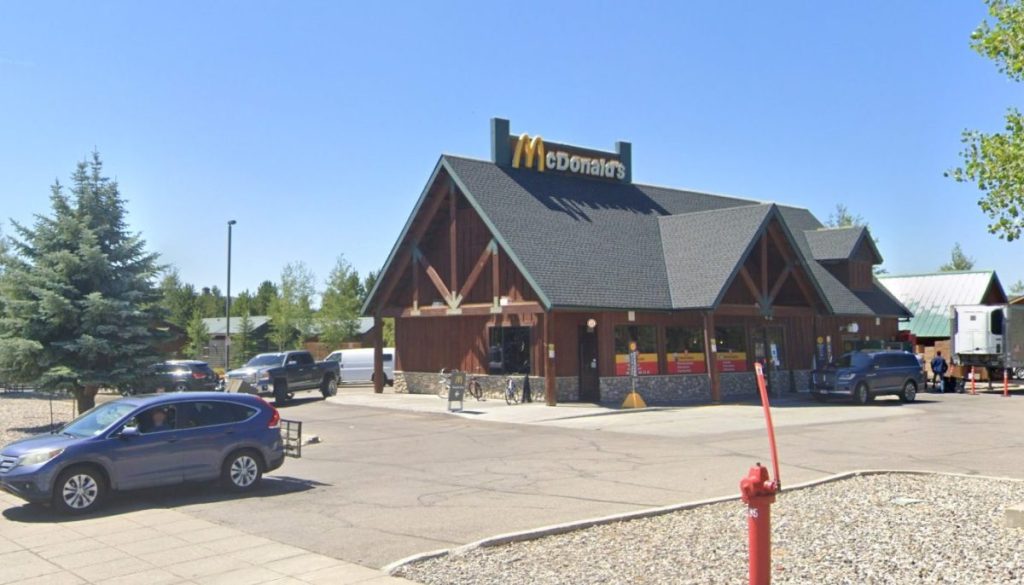
If you’re starting a job at McDonald’s in West Yellowstone, welcome to one of the busiest and most unique McDonald’s locations in the U.S. Nestled in a town that sits at the gateway to Yellowstone National Park, this restaurant is more than just a fast-food stop — it’s a central hub for tourists, travelers, and locals alike.
About the Location and Surroundings
The McDonald’s is located on S Canyon Street, right in the heart of West Yellowstone’s commercial district. It’s just a few blocks from the west entrance to Yellowstone National Park, which brings in hundreds of thousands of tourists each summer.
The building itself is modern, clean, and designed to blend with the rustic charm of the town. Parking is available on-site, and it’s walkable from most nearby rentals and shared housing options.
Being in the center of town means you’re close to:
- Shops and outdoor gear stores
- Souvenir and gift stores
- Local hotels and tour companies
- Convenience stores and grocery options
This central placement makes it easy to grab essentials, shop, or meet up with coworkers after a shift.
What to Expect Working Here
1. Fast-Paced During Tourist Season
From late May through September, the town fills with national park visitors, and this McDonald’s becomes extremely busy. You’ll be serving guests from around the world, and shift turnover is high and fast. Expect long lines, high volume, and lots of communication on the floor.
In the winter months, traffic slows significantly — the restaurant remains open, but with fewer hours and a smaller team.
2. Shift Structures
Most shifts run in the early morning (breakfast), midday, and dinner hours. If you’re scheduled in the summer, you may be offered overtime or back-to-back shifts. Shifts typically range from 4 to 8 hours, depending on staffing needs and tourist traffic.
Ask your manager about:
- Rotating schedules
- Requested days off
- Uniforms and gear (provided or not)
- Break policy and free/discounted meals during shifts
3. Team Environment
McDonald’s in West Yellowstone hires seasonal staff from all over the country and even internationally. This creates a diverse, team-focused environment. Employees tend to be younger, adventurous, and often live in shared housing.
It’s a great opportunity to:
- Meet people from different cultures
- Practice customer service in a fast-paced, high-stakes setting
- Grow your work ethic and multitasking skills
Supervisors are accustomed to working with first-time employees, seasonal staff, and students. They often provide training, flexible scheduling, and housing guidance.
Nearby Amenities, Dining & Shopping
You’ll be working near:
- Family Dollar – for snacks, cleaning supplies, and toiletries
- West Yellowstone Grocery – limited grocery selection and quick meal items
- Rexall Drug – small-town pharmacy with over-the-counter medicines and basic supplies
- Coffee shops – like Morning Glory Coffee & Tea or Mountain Mama’s for pre- or post-shift pick-me-ups
- Casual dining – Wild West Pizzeria, Gusher Pizza & Sandwich Shoppe, and Three Bear Restaurant offer easy takeout or sit-down meals
Everything is within walking distance from McDonald’s, making it easy to get around on foot or by bike.
Transportation and Commuting
Walking
Most local housing and seasonal rentals are within a 10-15 minute walk to McDonald’s. If you don’t have a car, you’ll be fine navigating the town on foot—West Yellowstone is extremely walkable and compact.
Biking
Many workers use bicycles in warmer months. The town is bike-friendly with wide shoulders and sidewalks. Biking to work can save time and offer flexibility.
Driving
If you have a car, parking is generally easy to find near both housing and the McDonald’s. Be aware that in winter, roads may be snowy and icy, and some routes may be closed or restricted.
Public or Seasonal Shuttles
West Yellowstone doesn’t have a traditional public transit system, but during summer, there are Yellowstone-area shuttles and tour buses that sometimes offer limited rides for employees. Ask your manager or coworkers if there are any shared employee transport services available.
Final Tips for New Employees
- Be prepared for long hours and busy summer crowds, especially in July and August.
- Bring warm clothing even in summer—mornings and evenings can be chilly.
- Learn to multitask and stay positive under pressure—tourists are often excited and in a hurry.
- Ask about shift meals and discounts, which can help you save on food.
Working at McDonald’s in West Yellowstone can be a fast-paced but rewarding experience, especially if you love meeting new people and enjoy a seasonal lifestyle.
Maps & Local Contacts – West Yellowstone, MT
Navigating West Yellowstone is relatively easy due to its small size, but having the right maps, contact numbers, and local resources at your fingertips can make your transition smoother—especially if you’re new to Montana or living here seasonally. This section provides key local contacts, neighborhood orientation, and community links to help you settle in confidently.
Neighborhoods and Key Locations
West Yellowstone is laid out in a grid pattern with Canyon Street and Yellowstone Avenue as major through-roads. Most residential areas and services are within a 10- to 20-minute walk of McDonald’s at 100 S Canyon.
Areas to Know:
- Downtown Core – Contains restaurants, shops, banks, and tourist attractions.
- Northwest Residential Area – Home to long-term rentals, motels with extended stays, and small homes.
- South Canyon Corridor – Location of McDonald’s and several nearby restaurants, rental properties, and access points to Yellowstone National Park.
- Hebgen Lake Road Area – Some short-term and seasonal rentals are located here, though they may be harder to access on foot.
Maps and guides:
Public Transit and Transportation Routes
West Yellowstone does not have a fixed city-wide bus system, but it is walkable and bike-friendly during the warmer months. Some employers and seasonal programs operate employee shuttles during summer.
For access to the national park and regional transport:
- Yellowstone Airport Shuttle (seasonal)
- Streamline Bus (Bozeman) – May offer options to reach Bozeman from West Yellowstone.
If you’re biking or walking to work from local neighborhoods, Canyon Street and Firehole Avenue are the most common direct routes to McDonald’s.
Important Local Contacts
Schools
- West Yellowstone School District
Address: 411 N Geyser St, West Yellowstone, MT 59758
Phone: (406) 646-7617
Clinics & Medical
- Community Health Partners – West Yellowstone
Address: 11 S Electric St
Phone: (406) 646-9441 - Bozeman Health – Big Sky Medical Center (Nearest hospital)
Phone: (406) 995-6995
City Hall & Utilities
- West Yellowstone City Hall
Address: 440 Yellowstone Ave
Phone: (406) 646-7795 - NorthWestern Energy (Electricity provider)
Customer Service: (888) 467-2669
Property Managers and Rentals
- Rentals are often managed directly by landlords or found via:
- Local Facebook groups: West Yellowstone Rentals or West Yellowstone Community Page
- https://www.zillow.com or https://www.trulia.com
- Bulletin boards at the West Yellowstone Library or McDonald’s break room
- Local Facebook groups: West Yellowstone Rentals or West Yellowstone Community Page
Weather, News, and Emergency Alerts
- Weather Forecast (NOAA): https://forecast.weather.gov/MapClick.php?textField1=44.66&textField2=-111.1
- Local News: https://www.bozemandailychronicle.com
- Montana Road Conditions (MDT): https://roadreport.mdt.mt.gov
- Emergency Alerts: Sign up for regional alerts through https://www.smart911.com or the Gallatin County Emergency Management site at https://www.readygallatin.com
How to Get Involved in the Community
West Yellowstone thrives on seasonal energy and a sense of community. Volunteering or participating in local events is a great way to meet people and become a part of town life.
Ways to get involved:
- West Yellowstone Public Library – Offers reading programs, movie nights, and literacy tutoring.
- Local churches – Frequently organize food drives, charity events, and support networks.
- West Yellowstone Foundation – Supports local improvement projects and fundraising events. Website: https://www.westyellowstonefoundation.org
Volunteer Opportunities: Inquire at City Hall, the library, or with local nonprofits and churches. Many seasonal events and festivals also welcome volunteer help with setup, guiding visitors, or distributing food and supplies.
Conclusion: Welcome to West Yellowstone and Your New Start
Moving to West Yellowstone is more than just starting a new job — it’s stepping into a completely unique way of life. Whether you’re here for a season or planning to settle long-term, this small, mountain town has its own rhythm, charm, and opportunities that make it one of the most memorable places to live and work in Montana.
What to Expect in Your First Few Months
Your first few weeks will likely be filled with discovery: adjusting to the weather, learning your way around town, figuring out your work schedule, and meeting new people. West Yellowstone is compact and walkable, so you’ll quickly become familiar with the local businesses, restaurants, and friendly faces.
If you’re working at McDonald’s at 100 S Canyon, you’ll experience a fast-paced environment, especially during the peak tourism season (late spring to early fall). Expect to serve visitors from all over the world, and enjoy the benefits of working in a tight-knit team that supports each other through busy shifts and long days. If you’re here during the quieter winter months, you’ll get to experience a slower pace and the peacefulness of a snowy Yellowstone backdrop.
The climate may take some adjustment—cold, snowy winters and mild, breezy summers. Investing in layered clothing, sturdy boots, and seasonal gear early on will make your daily life easier, especially if you’re walking or biking to work.
Finding housing may be your first big task, especially during tourist season when rentals are limited. Start early, check local bulletin boards and online groups, and ask your employer if shared housing options are available.
Encouragement for a Smooth Transition
Don’t be discouraged if it takes time to adjust. Living in a remote, high-altitude town with seasonal traffic and extreme weather is not without challenges—but it’s also full of rewards.
You’ll have the opportunity to:
- Connect with nature on a daily basis.
- Work in a diverse environment where people from all over the world come and go.
- Build strong friendships with coworkers and fellow seasonal residents.
- Discover new hobbies like hiking, snowshoeing, fishing, photography, or wildlife watching.
It’s okay to ask for help. The community here is used to welcoming newcomers and seasonal workers. Whether it’s needing housing advice, a secondhand coat, or directions to the clinic, don’t hesitate to reach out to neighbors, coworkers, or local groups.
Final Words of Welcome
From the sweeping mountain views to the daily flow of national park visitors, West Yellowstone offers an unforgettable lifestyle. The slower pace, wide-open skies, and small-town kindness make this a place that’s hard to leave behind.
Whether you’re arriving with a suitcase and a job offer or starting fresh with your family, you’re joining a town that values hard work, community, and respect for nature. Your role at McDonald’s plays a vital part in keeping this bustling tourist stop welcoming and running smoothly.
So take a deep breath of that fresh Montana air, bundle up for the evenings, and know that you’ve landed in a special place. Welcome to West Yellowstone—and welcome to your new chapter.