
Introduction
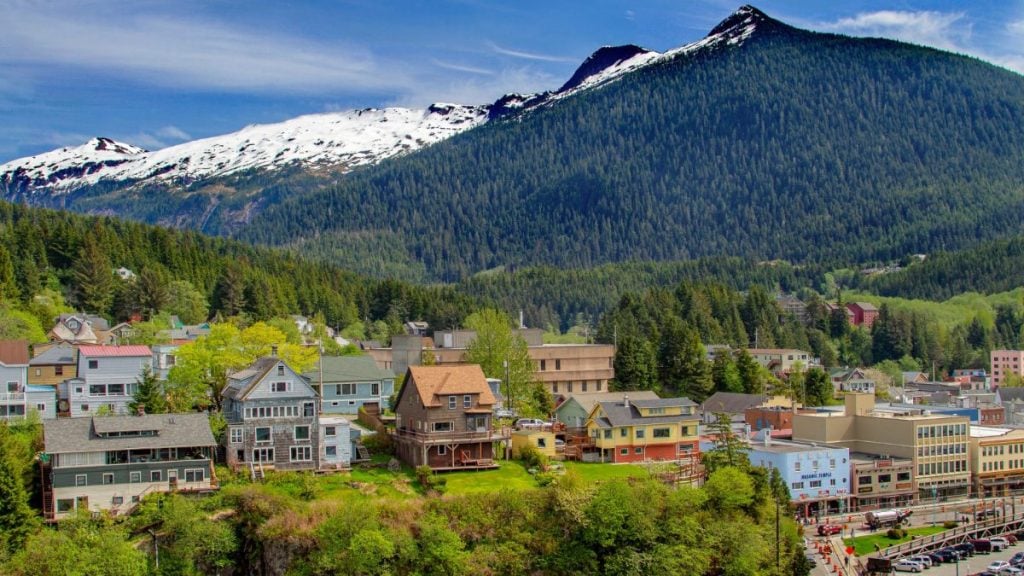
Welcome to Ketchikan, Alaska – the “First City” of Alaska
Ketchikan is often called the “First City” of Alaska because it is the first major community travelers reach when arriving by sea from the south. This coastal city is known for its rich Native culture, strong fishing traditions, and scenic waterfront views. The community has deep ties to the Tlingit, Haida, and Tsimshian peoples, whose heritage is preserved in totem poles, art, and cultural centers. Ketchikan also carries a proud reputation as the “Salmon Capital of the World,” making fishing and seafood central to both its economy and daily lifestyle.
The town’s charm lies in its historic boardwalks, colorful houses perched on stilts, and lively harbor where cruise ships, ferries, and fishing boats come and go. Life here is shaped by the sea, rain, and the warmth of community connections.
A Small-Town Coastal Lifestyle
Ketchikan has a population of around 8,000 people in town, with more in the surrounding borough. Despite its small size, the city has the essentials you need: grocery stores, restaurants, schools, healthcare services, and plenty of outdoor recreation. What makes Ketchikan unique is the blend of small-town charm and rugged Alaskan lifestyle.
Life here moves at a steady, relaxed pace, but there’s always something to do. From walking along Creek Street, exploring local shops, or hiking nearby trails, to attending cultural events and festivals, residents quickly find that this coastal community is welcoming and full of opportunities to connect.
For more about the city itself, you can visit the Ketchikan Visitors Bureau.
Who This Guide Is For
This guide is written for singles, couples, and families moving to Ketchikan for a new job at McDonald’s, located at 2417 Tongass Avenue. Whether you are arriving from another part of Alaska or moving from out of state, you will find detailed information here to help you settle in.
The content covers practical needs like housing, schools, shopping, transportation, and healthcare, as well as lifestyle details about dining, recreation, and community resources. It is designed to make your transition as smooth as possible, giving you the tools to feel at home in a new environment.
What to Expect Living in Ketchikan
Life in Ketchikan is unique compared to mainland cities. Since the town is located on Revillagigedo Island, residents rely on ferries and air travel for access to the rest of Alaska and beyond. This island setting creates a strong sense of community, where people look out for each other and newcomers are welcomed warmly.
You can expect:
- Plenty of rain – Ketchikan is one of the wettest cities in the U.S., so good rain gear is essential.
- Close-knit community living – neighbors are friendly, and word travels quickly in a town this size.
- Natural beauty all around – mountains, forests, and the ocean are part of everyday life.
- Limited big-city conveniences – shopping, dining, and entertainment are available, but on a smaller scale compared to larger cities.
If you approach your move with an open mind and readiness to adapt, Ketchikan will reward you with unforgettable experiences, a supportive community, and the chance to embrace life in one of Alaska’s most unique towns.
Weather
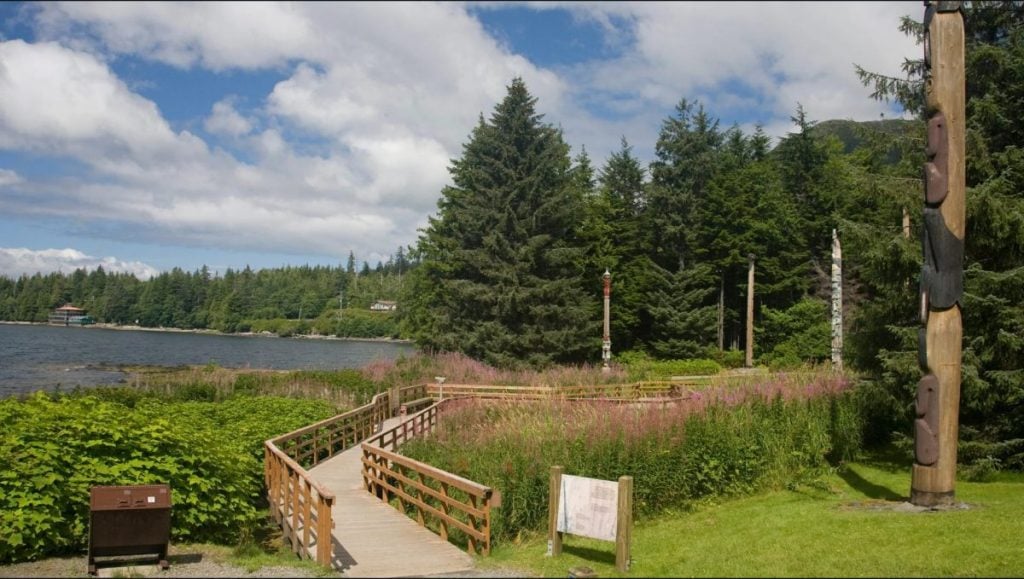
Oceanic Climate: Mild, Wet, and Cool
Ketchikan’s weather is shaped by its location along Alaska’s Inside Passage, where the Pacific Ocean plays a major role in daily conditions. The city has an oceanic climate, which is very different from the harsh, snowy winters of interior Alaska. Instead, the weather here is generally cool, damp, and mild all year round.
Ketchikan is famously one of the rainiest cities in the United States, often receiving more than 140 to 160 inches of rainfall each year. This high rainfall supports the dense, green temperate rainforest that surrounds the city and gives Ketchikan its striking natural beauty. While heavy snowstorms are rare compared to the northern parts of Alaska, snow does fall during the winter months, especially at higher elevations, but it often melts quickly at sea level.
What truly defines the climate here is the consistent wetness. From light drizzle to steady downpours, rain is a near-constant part of life. Many residents say that you don’t wait for sunny days to go out—you simply dress for the rain and go about your routine.
Average Seasonal Temperatures and Rainfall Patterns
The weather is not extreme compared to other parts of Alaska, but it has its own unique rhythm:
- Winter (December – February): Winters are chilly but relatively mild for Alaska. Temperatures generally hover between 35–42°F (1–5°C). Snow does occur, but rain is more common at sea level. The damp cold can feel more penetrating than drier winter climates, so warm layers are important.
- Spring (March – May): Spring comes gradually, with average highs moving into the 40s and 50s (°F). Rain continues to be steady, though longer daylight hours bring more opportunities for outdoor activities. Trees and plants bloom with the moisture, giving the town a lush, green backdrop.
- Summer (June – August): Summers are mild and comfortable, with average highs around 60–65°F (15–18°C) and occasional warm days in the 70s°F (21–24°C). This is the driest season, but rain showers still occur frequently. Summer is also the peak season for fishing, boating, and hiking.
- Fall (September – November): Temperatures cool back down into the 40s and 50s (°F). Rainfall increases significantly, and storms can be more intense. Autumn in Ketchikan is often gray and damp, but it has its own charm with fog rolling over the water and brightly colored leaves against the evergreen forests.
Overall, you should expect steady precipitation in every season. Even in the summer, when the weather is friendlier, it is still wise to carry rain gear.
For detailed, up-to-date forecasts, you can check the National Weather Service Ketchikan page.
Tips for Preparing for Rain
Rain is such a constant feature in Ketchikan that locals often say there’s no bad weather, just bad clothing. Preparing properly will make your daily routines much easier and more comfortable.
- Invest in a quality rain jacket with a hood. Waterproof, breathable fabrics are best since you may wear it almost every day.
- Waterproof boots or shoes are essential for walking around town. Sidewalks and trails can become slippery or muddy.
- Layers of clothing are important. The weather can change throughout the day, and layers allow you to stay comfortable.
- Umbrellas are used, but many people rely more on jackets and hoods since wind and heavy rain can make umbrellas impractical.
- Waterproof backpacks or bag covers help keep work, school, or personal items dry when you’re on the move.
- Quick-dry clothing is useful because dampness is common, and you’ll want clothes that won’t stay wet for long.
Adopting these habits early will help you adjust more quickly to Ketchikan’s rainy environment.
Daylight Differences in Summer and Winter
Daylight hours in Ketchikan change significantly through the seasons, though not as dramatically as in northern Alaska.
- Summer: In June and July, daylight lasts up to 17 hours a day, with the sun rising before 4:30 a.m. and setting close to 9:30 p.m. This extra light gives plenty of time for hiking, fishing, and other outdoor activities.
- Winter: By December, daylight drops to about 7 hours per day. The sun may rise around 8:30 a.m. and set around 3:30 p.m., making mornings darker and evenings arrive early.
These shifts in daylight can affect your energy levels and daily routine. Many locals adjust by making the most of long summer days and embracing cozy indoor activities during the darker winter months. Some people also use light therapy lamps during winter to help with energy and mood.
How Weather Affects Commuting and Daily Life
Because of the rain and cool temperatures, weather is something you’ll always factor into your day in Ketchikan.
- Driving: Rain makes roads slick, and fog can reduce visibility. Drivers are used to these conditions, but newcomers need to take their time and drive carefully.
- Walking and Public Transit: Waiting at bus stops in the rain is common, so rain gear is essential if you depend on public transportation. Good footwear helps with puddles and slippery sidewalks.
- Outdoor Activities: Rain rarely stops locals from enjoying the outdoors. People hike, fish, and kayak year-round, often wearing rain jackets and boots. It’s part of the lifestyle to accept that rain is always present.
- Work and School Routines: Children go to school rain or shine, so families invest in waterproof coats and boots early. Workers also get used to commuting in wet weather, whether by car, bus, or on foot.
- Daily Habits: Many homes have mudrooms or designated spots for wet gear near the door. It’s common to carry extra socks or shoes when going to work or school.
While the rain and shorter winter days can be challenging at first, most people come to appreciate the rhythm of life it creates. The climate encourages a close-knit, resilient community where people adapt together and find ways to make the most of each day.
Neighborhoods
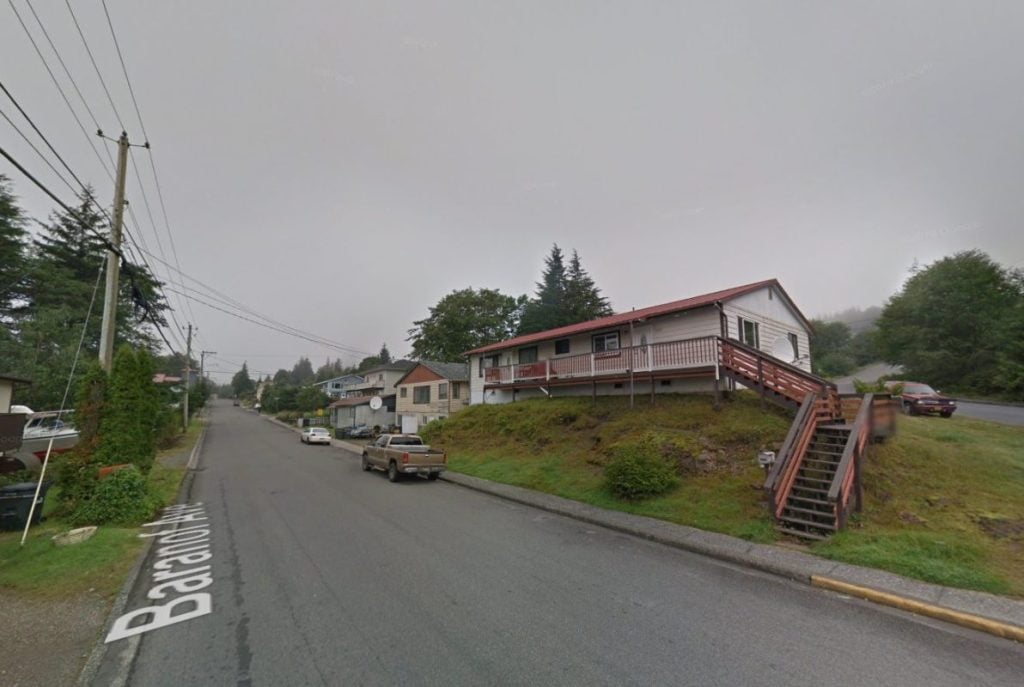
Overview of Ketchikan’s Residential Areas
Ketchikan is a relatively small city, but each neighborhood has its personality, lifestyle, and conveniences. Because the town stretches along the coastline of Revillagigedo Island, most homes are clustered near the main road, Tongass Avenue, which runs through the city. Whether you prefer a lively historic setting, a suburban atmosphere close to shops, or a quieter rural escape, there are options to fit different lifestyles.
Below are the main residential areas to consider if you are moving to Ketchikan for work at McDonald’s, 2417 Tongass Avenue.
Downtown Ketchikan – Walkable and Historic
Downtown is the heart of Ketchikan. It is a walkable area filled with historic boardwalks, colorful homes on stilts, and local shops. Creek Street, once the town’s red-light district, is now one of the most popular attractions with its wooden walkways and salmon-filled creek. Living downtown puts you within walking distance of:
- Restaurants, cafes, and bars
- Local boutiques and gift shops
- The Ketchikan Public Library
- Ferry and cruise ship docks
Housing in this area is often older, with historic single-family homes, small apartment buildings, and rentals above businesses. Many places come with character and charm, though they may have limited parking.
Commute to McDonald’s (2417 Tongass Ave): About 5–10 minutes by car or a quick bus ride along Tongass Avenue. Walking is possible, but it depends on the exact location of your home.
Downtown is ideal for those who enjoy an active, social, and walkable lifestyle, though it can feel busier when cruise ships are in town.
West End – Convenient and Family-Friendly
The West End is one of the most convenient neighborhoods for employees at McDonald’s since the restaurant is located in this area of Tongass Avenue. The West End is known for its schools, shopping, and residential communities, making it popular with families.
Here you will find:
- Grocery stores such as Safeway and Walmart (small format)
- Restaurants and takeout options
- Schools, including Houghtaling Elementary
- Medical facilities and pharmacies
Housing options include apartments, duplexes, and single-family homes. Many rentals are located close to main bus routes, making commuting simple.
Commute to McDonald’s (2417 Tongass Ave): Typically under 5 minutes by car, or a very short bus ride/walk depending on your location.
The West End is great if you want a balance of convenience, family-friendly living, and proximity to work.
Saxman – A Neighboring Village with Cultural Roots
Just south of Ketchikan, Saxman is a small Tlingit village that offers a strong sense of cultural community. It is home to the Saxman Totem Park, where visitors can see some of the most significant collections of totem poles in Alaska.
Living in Saxman means you are part of a tight-knit community with deep cultural traditions. While smaller than Ketchikan, Saxman has its charm, and many residents value the strong community ties and slower pace.
Housing here may include single-family homes and small rental units. The area is quieter compared to downtown or the West End, but still close enough to access shopping and schools in Ketchikan.
Commute to McDonald’s (2417 Tongass Ave): About 10–15 minutes by car, or a bus ride along Tongass Avenue.
Saxman is best for those who want a culturally rich, small-town feel while still being close to city amenities.
North Tongass – Rural and Scenic Living
The North Tongass area stretches out along the northern end of Tongass Highway. This part of town is more rural and peaceful, with homes often surrounded by trees, waterfront views, and larger lots. It is popular with people who want more space, privacy, and beautiful natural surroundings.
Here you can find:
- Scenic waterfront homes with views of the Inside Passage
- More opportunities for outdoor activities right outside your doorstep
- A quieter lifestyle compared to the bustle of downtown or the West End
Housing options here are primarily single-family homes and cabins. Because it is further from central Ketchikan, prices may be higher for waterfront properties, but many people find the peaceful setting worth it.
Commute to McDonald’s (2417 Tongass Ave): About 20–25 minutes by car. Public transportation is available, but commuting may take longer compared to closer neighborhoods.
North Tongass is a great choice for those who value nature, quiet living, and scenic views, even if it means a longer commute.
Safety, Amenities, and Community Atmosphere
- Safety: Ketchikan is generally considered a safe community. Like many small towns, crime rates are relatively low compared to larger cities. Most neighborhoods are friendly and welcoming.
- Amenities: The closer you live to Tongass Avenue, especially in the West End and downtown, the easier it is to access shopping, dining, schools, and healthcare. Rural areas like North Tongass have fewer amenities but offer more privacy.
- Community Atmosphere: Ketchikan is a close-knit community. Neighbors often know one another, and people look out for each other, especially during storms or travel disruptions. Newcomers usually find it easy to integrate into community life.
In summary, each neighborhood in Ketchikan offers something different:
- Downtown – walkable and historic with a lively atmosphere.
- West End – convenient and family-friendly, closest to McDonald’s.
- Saxman – a small village with strong cultural roots and a tight-knit feel.
- North Tongass – quiet, scenic, and rural with longer commutes.
This variety means you can choose the neighborhood that best fits your lifestyle, whether you want to be in the heart of town or surrounded by nature.
Housing and Rent
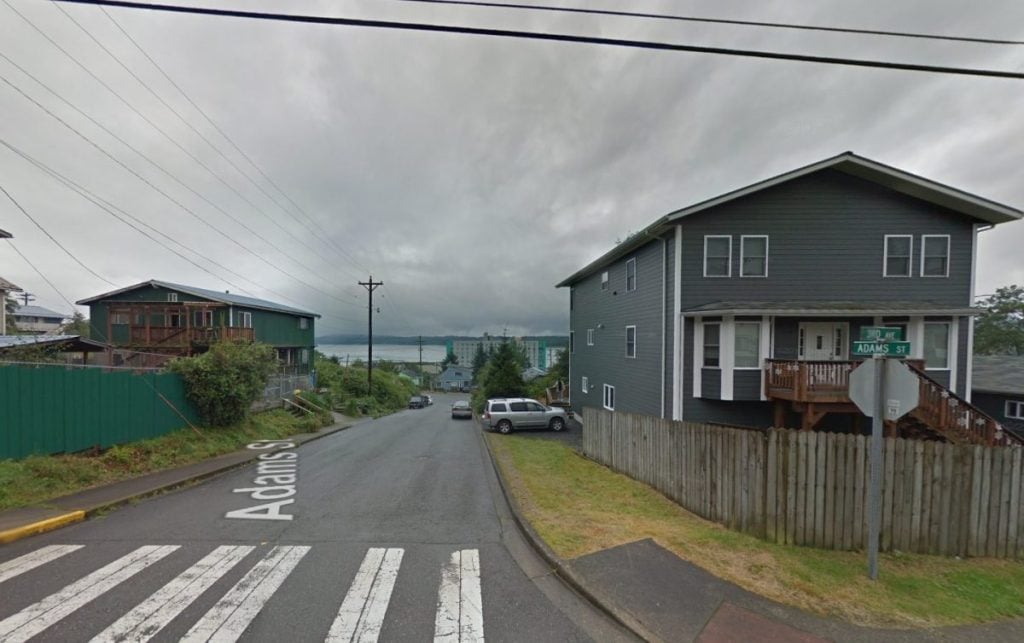
Types of Housing in Ketchikan
Ketchikan’s housing market is shaped by the fact that it is located on Revillagigedo Island, where developable land is limited. Homes and rentals are primarily built along the coastline and up the hillsides, giving the town its scenic but somewhat compact layout. While options are not as abundant as in larger cities, newcomers can still find housing that fits their needs.
The most common types of housing include:
- Apartments: Multi-unit apartment buildings are scattered throughout downtown and the West End. Apartments are the most common choice for individuals or couples moving to Ketchikan for work.
- Condos: Less common than apartments, but a few condominium units are available, offering shared ownership or rental opportunities.
- Single-Family Homes: Detached houses are available in neighborhoods such as West End, Saxman, and North Tongass. Many homes feature ocean or forest views, though they tend to be more expensive than apartments.
- Duplexes: Duplexes and townhome-style rentals are popular with families or groups looking to share costs.
Because of limited land and strong demand, housing availability can be tight, and it’s important to begin your search early.
Average Rent Near 2417 Tongass Avenue
The McDonald’s at 2417 Tongass Avenue is located in the West End neighborhood, which is one of the most convenient areas for housing. Rent prices in this part of town are consistent with the city’s averages, though they may vary depending on proximity to the waterfront and condition of the property.
- Apartments: Typically range from $1,100 to $1,600 per month for one- or two-bedroom units. Smaller studios may be slightly less, while larger modern apartments can be higher.
- Single-Family Homes: Renting a house usually costs between $1,700 and $2,500 per month, depending on size, location, and amenities. Homes with waterfront views or larger yards tend to be on the higher end of this range.
- Duplexes and Condos: Generally fall between apartments and houses in price, averaging $1,400 to $1,800 per month.
Housing Near Public Transportation Routes
If you plan to rely on Ketchikan’s public bus system (The Bus) for commuting, you’ll want to look for housing near Tongass Avenue, the main road served by bus routes. Many apartments and homes in the West End, Downtown, and Saxman areas are within walking distance of bus stops.
- Downtown apartments: Convenient for those without cars, with easy bus access to the McDonald’s location.
- West End rentals: Most apartments and houses here are very close to McDonald’s, making commuting fast and simple.
- Saxman homes: Affordable single-family homes and apartments are available, with bus service along Tongass Avenue for an easy ride into town.
- North Tongass: Bus service does reach parts of this area, but commutes are longer and may require more planning.
If you depend on public transportation, it is best to confirm that your chosen rental is within walking distance of a bus stop.
Apartment Complexes and Property Managers in Ketchikan

Resources
To find Fully Furnished homes/apartments: Furnished Finder
To find Homes for sale or rent: Zillow
To find apartments: Apartments.com
Public Transportation:The Bus
Public schools in the area – Ketchikan Gateway Borough School District
Bear Valley Apartments

Bear Valley Apartments is a smoke-free, well maintained property. The main building apartments have private balconies, private storage locker, two-car parking, covered walkways, window blinds and a coin-op laundry room. The duplexes have a washer/dryer, private front porch, window blinds and two-car parking. *Tenant pays electricity, TV, phone, and internet. Two pets on approval
Address:1300 N Yorktown Dr, Ketchikan, AK 99901
- Distance: 1.9 miles from 2417 Tongass Avenue Ketchikan, Alaska, 99901
- Contact: 907-373-3060
- Apply Here – Application
- Features:
- Lease Term 1 year
- 1 Bedroom: W/Tax $1105/month
- Security Deposit $1050
- 2 Bedroom: W/Tax $1405/month
- Security Deposit $1350
- Lease term 6 mo to 1 year
- 1 Bedroom: W/Tax $1180/month
- Security Deposit $1125
- 2 Bedroom: W/Tax $1480/month
- Security Deposit $1425
- Lease term 3 mo to 6 mo
- 1 Bedroom: W/Tax $1230/ month
- Security Deposit $1995
- 2 Bedroom: W/Tax $1530/ month
- Security Deposit $2300
- Lease Term 1 year
- Getting to 2417 Tongass Avenue Ketchikan, Alaska, 99901
- 5 minute car ride (Google Map Here)
- 12 minute bike ride (Google Map Here)
- 41 minute walk (Google Map Here)
- Public Transportation: Capital Transit System
- Routes suspended at this time but will be available soon
Woodside Village Apartments

Our large multifamily living property offers 1, 2, and 3-bedroom apartment units all surrounded by towering evergreen trees and majestic views of breathtaking mountain ranges. K
Address: 1200 Woodside Dr # A1, Ketchikan, AK 99901
- Distance: 1.7 miles from 2417 Tongass Avenue Ketchikan, Alaska, 99901
- Contact: 907-255-3451
- Apply Here – Application
- Features:
- 1 Bed / 1 bath 660 sq. ft – $1,000/mo or $1,300/mo with utilities included
- 2 bed / 1 bath 880 sq ft – $1,200/mo or $1,550/mo with utilities included
- 3 bed / 1 bath 950 sq ft – $1,385/mo or $1,785/mo with utilities included
- Security Deposit – equal to one month rent due when lease is signed
- Floor Plans – HERE
- Getting to 2417 Tongass Avenue Ketchikan, Alaska, 99901
- 5 minute car ride (Google Map Here)
- 12 minute bike ride (Google Map Here)
- 37 minute walk (Google Map Here)
- Public Transportation: Capital Transit System
- Walk northwest on Woodside Dr toward Schoenbar Rd
- Arrive at Schoenbar Rd / Woodside Apartments
- Take Green Line bus
- Arrive at Ketchikan High School
- Walk east on 5th Ave toward Jefferson St
- Turn right onto Jefferson St
- Turn left onto Tongass Ave
- Arrive at 2417 Tongass Ave, Ketchikan, AK 99901
In summary, Ketchikan offers a mix of apartments, duplexes, and single-family homes, though availability is limited. Average rents near the McDonald’s on Tongass Avenue range from $1,100 for apartments to $2,500 for houses, with duplexes and condos in between. If you plan ahead and use both online and local resources, you’ll have the best chance of finding a comfortable home that suits your needs.
Schools
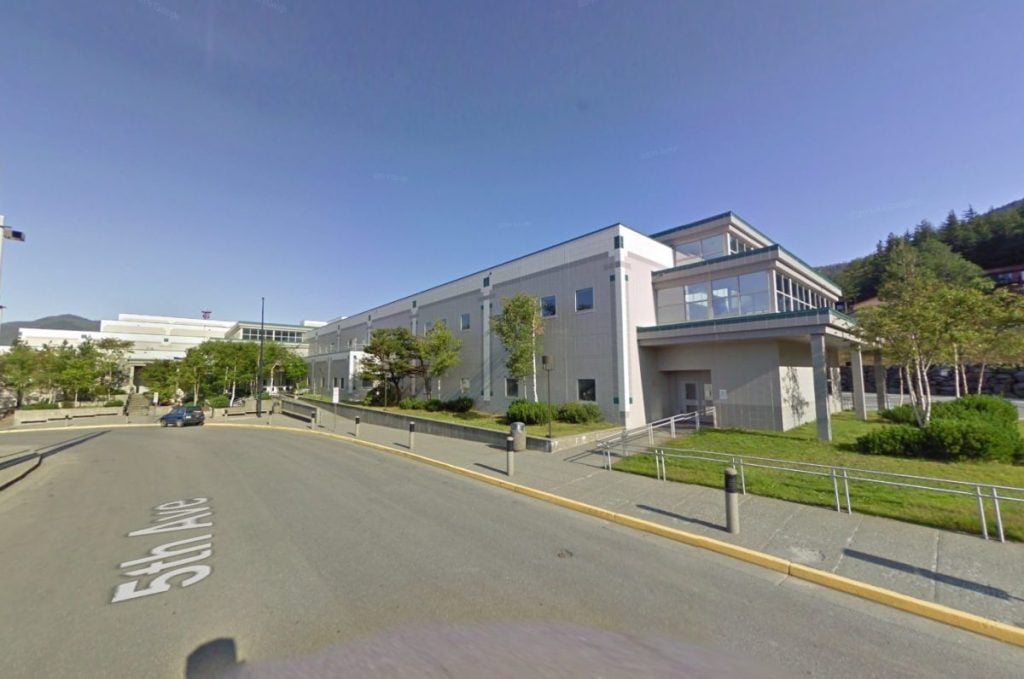
Ketchikan Gateway Borough School District Overview
Education in Ketchikan is served by the Ketchikan Gateway Borough School District (KGBSD), which provides a strong network of schools for children from kindergarten through high school. The district focuses on preparing students not only with academic knowledge but also with skills that reflect the local culture and environment. Many programs incorporate the region’s history, Native heritage, and connection to the sea.
The school district is relatively small compared to those in large cities, which allows for smaller class sizes, more personal attention, and strong community involvement. Teachers, staff, and parents work closely together, and students often benefit from extracurricular opportunities that tie into Ketchikan’s culture, such as Native arts, fishing, and outdoor education.
You can explore more about the district and its programs at the KGBSD website.
Nearby Public Schools
Houghtaling Elementary School
- Location: Near the West End, convenient to the McDonald’s on Tongass Avenue.
- Grades: Kindergarten through 6th grade.
- Overview: This school is known for its supportive teachers and strong parent-teacher involvement. It emphasizes literacy, math, and cultural enrichment. Many families living in the West End or Saxman choose this school because of its location and community-focused environment.
Schoenbar Middle School
- Location: Closer to downtown Ketchikan.
- Grades: 7th and 8th grade.
- Overview: Schoenbar serves as the district’s only middle school. It helps students transition from elementary to high school with a focus on academic growth, technology integration, and extracurricular clubs. Sports programs and music/band activities are popular among students.
Ketchikan High School (Kayhi)
- Location: Near downtown Ketchikan.
- Grades: 9th through 12th grade.
- Overview: Often called “Kayhi” by locals, Ketchikan High School has a reputation for strong academics and a wide variety of extracurriculars. The school offers advanced placement (AP) courses, athletics, music programs, and cultural education. The school’s mascot is the Kings, reflecting the area’s salmon fishing heritage.
Private School Options
While most students in Ketchikan attend public schools, there are also private and faith-based options:
- Holy Name Catholic School: Provides education for younger children with a curriculum based on Christian values.
- Faith-based preschools and early education centers: Several churches in town operate small private schools or preschools that combine education with religious instruction.
Private schools in Ketchikan are smaller than public schools, which can mean more individualized attention. Families often choose them for faith-based learning or smaller class settings.
Preschool and Daycare Centers for Younger Children
Ketchikan has several childcare and preschool options for families with younger children. Because availability can be limited, it is best to inquire and register early.
- Ketchikan Gateway Borough School District Preschool Programs: Offered at some elementary schools for early learners.
- Community Child Development Center: Provides preschool education and daycare services.
- Faith-based Preschools: Local churches, such as Holy Name Catholic Church, often run early childhood programs.
- Home-based Daycares: Licensed in-home daycare providers are also common in Ketchikan, offering flexible hours for working parents.
For parents working at McDonald’s or other nearby businesses, choosing a preschool or daycare close to the West End can make daily drop-off and pick-up easier.
Higher Education: University of Alaska Southeast – Ketchikan Campus
For older students and adults continuing their education, the University of Alaska Southeast (UAS) – Ketchikan Campus is an excellent resource.
- Programs Offered: UAS provides associate and bachelor’s degree programs, as well as certifications in fields such as business, healthcare, and marine transportation.
- Flexible Options: Many courses are available online, giving students the ability to balance education with work and family responsibilities.
- Community Focus: The campus emphasizes education tailored to the needs of Southeast Alaska, including maritime studies, fisheries, and business programs.
- Location: Conveniently located in downtown Ketchikan, easily accessible by bus or car from most neighborhoods.
For more details, visit the University of Alaska Southeast – Ketchikan Campus.
Summary of Education in Ketchikan
Ketchikan provides a complete range of educational opportunities for families:
- Public Schools like Houghtaling Elementary, Schoenbar Middle School, and Kayhi are well-regarded and community-driven.
- Private Schools such as Holy Name Catholic School offer faith-based education in smaller classroom settings.
- Preschool and Daycare options exist but can be limited, so planning ahead is essential.
- Higher Education through the University of Alaska Southeast gives local students and adults opportunities to further their careers without leaving the island.
Overall, Ketchikan’s schools reflect the town’s close-knit, supportive atmosphere, where children receive not only a solid academic foundation but also a cultural education that ties them to the history and traditions of Southeast Alaska.
Shopping
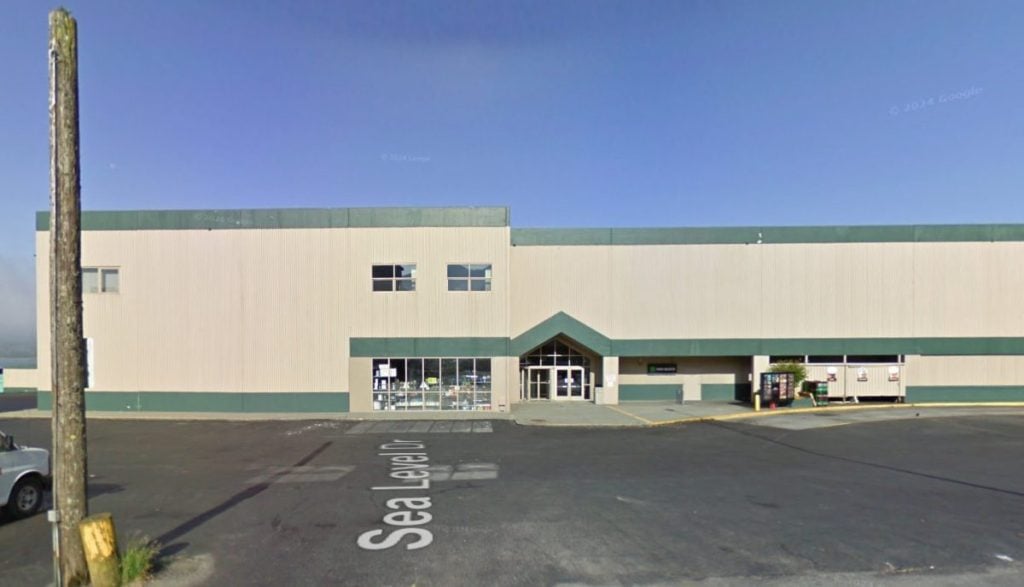
Grocery Stores in Ketchikan
Because Ketchikan is located on Revillagigedo Island and not connected to Alaska’s road system, all supplies must arrive by barge, ferry, or air. This means that grocery shopping looks a little different compared to mainland cities. While prices can be higher due to shipping costs, there are several reliable stores where residents can find most of what they need.
- Safeway: The main full-service grocery store in town, located in the West End near McDonald’s. Safeway carries everything from fresh produce and meats to household essentials. It’s also one of the most popular places for weekly shopping because of its loyalty program and frequent sales.
- Tatsuda’s IGA: A long-standing family-owned grocery store in Ketchikan. Known for its personalized service and local community feel, Tatsuda’s offers a good selection of everyday groceries along with specialty Alaskan items. (Note: Tatsuda’s original location suffered damage in 2020, but the family has continued to play an important role in local food retail.)
- Walmart (Small Format): Unlike mainland Walmarts, the Ketchikan location is smaller and limited in size. It provides a variety of groceries, clothing, electronics, and home goods, though the selection may not be as wide as larger Walmarts in other cities.
For bulk shopping, some families also order dry goods, canned foods, or household supplies online and have them shipped by barge or air freight.
Local Shops for Essentials and Unique Alaskan Goods
In addition to chain grocery stores, Ketchikan has a variety of locally owned shops where residents can find essentials and locally made products.
- Gift Shops and Boutiques: Downtown Ketchikan has many small shops selling clothing, household items, and handcrafted gifts. These shops often feature Native Alaskan art, totem pole carvings, beadwork, and jewelry.
- Outdoor Supply Stores: Since fishing, boating, and hiking are a major part of life in Ketchikan, local outfitters provide rain gear, boots, fishing supplies, and camping equipment. Stores like Tongass Trading Company are staples for both residents and visitors.
- Hardware and Home Goods: Local hardware stores, along with small appliance shops, help residents maintain their homes in the island environment.
Shopping locally is a great way to support Ketchikan’s economy while also finding unique items that reflect the culture and lifestyle of Southeast Alaska.
Pharmacies and Drugstores
Access to healthcare essentials is important in a community like Ketchikan, and the town has several pharmacies to meet everyday needs:
- Walgreens: Located in the West End, Walgreens provides prescriptions, over-the-counter medications, personal care items, and convenience foods. Its national chain structure makes it a reliable stop for many residents.
- Safeway Pharmacy: Inside the Safeway grocery store, this pharmacy offers prescription services and flu shots.
- Local Drugstores and Clinics: Smaller independent pharmacies and clinics are also available, providing personalized service to the community.
Many residents rely on these pharmacies not just for medication but also for quick essentials when they don’t want to make a full grocery run.
Seasonal Markets and Local Seafood Vendors
Ketchikan’s shopping experience wouldn’t be complete without mentioning its seasonal and local markets, which give the town a strong community atmosphere and access to fresh, regional foods.
- Ketchikan Farmers Market: Held during the summer months, the farmers market is a great place to find fresh produce, baked goods, handmade crafts, and local artwork. It’s not only a shopping destination but also a community gathering spot where residents meet, listen to live music, and enjoy seasonal food.
- Local Seafood Vendors: As the “Salmon Capital of the World,” Ketchikan has no shortage of fresh seafood. Local fish markets and vendors offer salmon, halibut, crab, and shrimp, often caught by local fishermen. Many residents prefer buying seafood directly from these sources for freshness and to support the local fishing industry.
- Community-Supported Fisheries (CSF): Similar to a farm co-op, some fishermen offer subscription programs where families can purchase shares of fresh fish throughout the season. This is an excellent way to enjoy Ketchikan’s seafood at its best.
For visitors and new residents, shopping at these local markets is also a way to immerse yourself in Ketchikan’s culture, meet locals, and experience the flavors of Southeast Alaska.
Ketchikan may not have the massive shopping centers of larger cities, but it has everything you need to live comfortably. Grocery needs are met by Safeway, Tatsuda’s IGA, and Walmart, while local shops provide unique goods and outdoor essentials. Pharmacies like Walgreens and Safeway Pharmacy ensure access to prescriptions and healthcare items. Seasonal shopping, especially at the Ketchikan Farmers Market and through seafood vendors, connects residents to the community and the natural resources of the region.
In short, shopping in Ketchikan blends practicality with local culture, whether you’re picking up everyday groceries or buying freshly caught salmon straight from a fisherman.
Dining
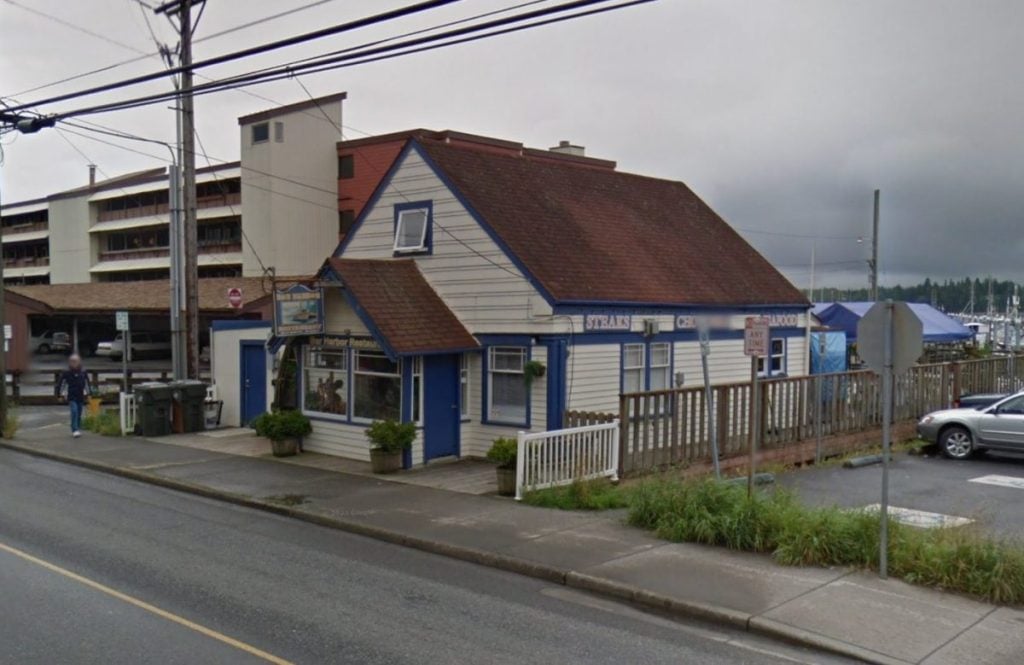
Restaurants Near McDonald’s and Downtown
Ketchikan has a lively dining scene for a town of its size, with most restaurants located along Tongass Avenue and in downtown. While the options are not as extensive as in a large city, the restaurants here reflect the town’s coastal lifestyle and fishing culture, serving up both hearty comfort food and freshly caught seafood.
Near the McDonald’s at 2417 Tongass Avenue, you’ll find several casual dining spots, coffee shops, and family-friendly restaurants. Downtown Ketchikan, just a short drive away, offers more sit-down restaurants, pubs, and small eateries, many with waterfront views.
Some popular types of restaurants include:
- Seafood Diners: Serving halibut fish and chips, salmon burgers, and crab legs.
- Cafes: Local hangouts where you can enjoy soups, sandwiches, and fresh-baked pastries.
- Pizza and Italian Restaurants: Family-friendly options for quick and filling meals.
- Pubs and Grills: Known for burgers, local beers, and a lively evening crowd.
During the summer, when tourists arrive by cruise ship, the restaurant scene becomes busier, but it also brings more seasonal dining options.
Local Specialties – Salmon, Halibut, and Crab
Ketchikan is famous as the “Salmon Capital of the World”, and you’ll see that reputation reflected on menus across town. Local restaurants often feature:
- Wild Alaska Salmon: Served grilled, smoked, or baked, often with seasonal sides. Salmon chowder is also a local favorite.
- Halibut: Known for its mild flavor and firm texture, halibut is commonly used in fish and chips or served as a fillet with lemon and herbs.
- Dungeness Crab and King Crab: These prized Alaskan crabs are a treat for residents and visitors alike. Steamed crab legs with butter are a must-try when they’re in season.
- Seafood Platters: Many restaurants offer combination plates featuring salmon, halibut, shrimp, and crab, giving diners a taste of everything.
For those new to Alaska, trying these local dishes is not just dining—it’s part of the cultural experience of living in Ketchikan.
Coffee Shops and Bakeries
Coffee shops are an important part of daily life in Ketchikan, offering cozy spaces to meet friends, study, or simply warm up on a rainy day. In addition to national chains like Starbucks, the town has several unique local favorites:
- Sweet Mermaids: A whimsical café and boutique that serves coffee, breakfast items, and pastries in a fun, artistic atmosphere.
- Pilothouse Coffee: A locally owned roastery offering specialty coffees and fresh-baked treats. It’s a popular spot for locals who prefer small-batch coffee and a community atmosphere.
- Green Coffee Bean Company: Another local favorite known for its relaxed vibe and good selection of drinks and light meals.
Bakeries in town often specialize in fresh bread, cookies, and pastries, making them a nice complement to the seafood-heavy dining options.
Delivery and Takeout Options
While delivery and takeout options in Ketchikan are more limited than in larger cities, there are still ways to enjoy food at home:
- McDonald’s, Pizza Restaurants, and Asian Takeout: These are the most common sources for delivery or quick pick-up. Pizza places in particular are reliable for takeout meals.
- Local Restaurants: Some offer takeout or curbside pickup, though delivery services like Uber Eats and DoorDash are not widely available.
- Grocery Store Hot Foods: Safeway and other grocery stores sell ready-made meals, deli sandwiches, and hot food items, which are popular with busy families.
Ketchikan offers a variety of casual restaurants, cozy cafes, and seafood-focused eateries, with options ranging from pizza and burgers to salmon and crab feasts. Coffee shops such as Sweet Mermaids, Pilothouse Coffee, and Green Coffee Bean Company add to the community’s charm, giving residents warm and welcoming places to gather. While delivery services are limited, takeout and grocery hot meals provide alternatives for quick dining at home.
For newcomers, dining in Ketchikan isn’t just about convenience—it’s also a way to experience the local fishing culture, meet new people, and discover the flavors of Southeast Alaska.
Entertainment & Recreation
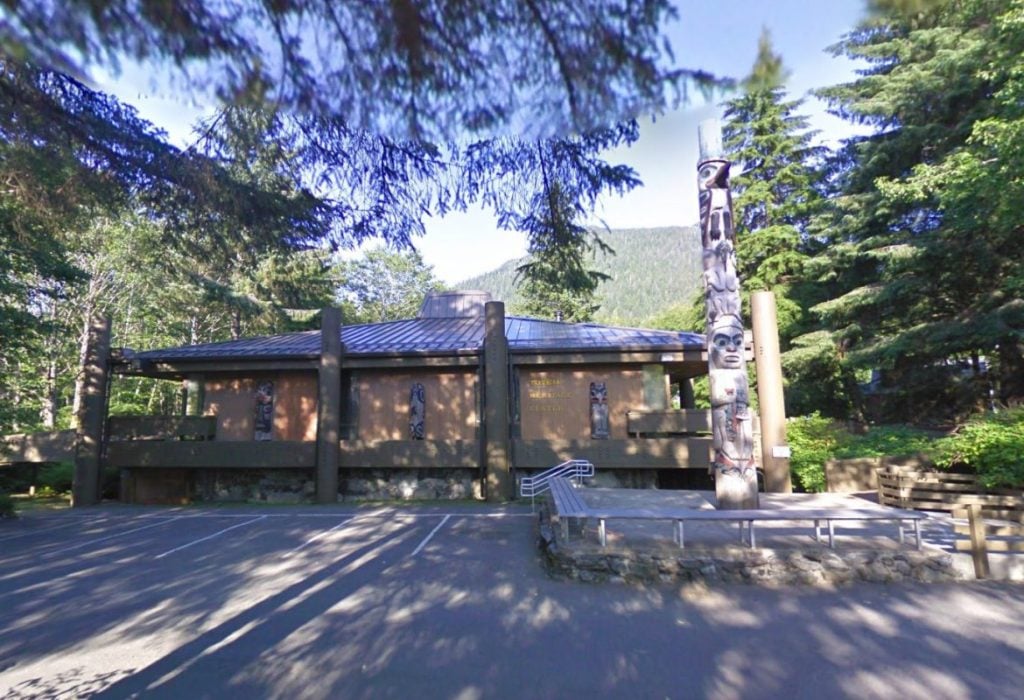
Outdoor Activities in Ketchikan
Life in Ketchikan is deeply connected to the outdoors. With the Pacific Ocean on one side and dense temperate rainforest on the other, residents enjoy year-round opportunities for outdoor adventure. The natural beauty of Southeast Alaska offers something for everyone, whether you prefer a peaceful day fishing or an energetic hike into the mountains.
- Fishing: Ketchikan is called the “Salmon Capital of the World” for good reason. Sportfishing is one of the most popular activities, and locals fish for king, silver, pink, and chum salmon throughout the summer months. Halibut and rockfish are also plentiful in nearby waters. Many people fish from boats, though shoreline spots and guided charters are also common.
- Hiking: Trails around Ketchikan provide everything from short, easy walks to challenging mountain climbs. The rainforest setting means trails are often damp, but the scenery of mossy trees, waterfalls, and ocean views is worth it.
- Kayaking and Boating: Protected waterways around Ketchikan make it an ideal place for kayaking and small boat excursions. Residents enjoy exploring coves, watching wildlife, and taking in the scenery of the Tongass National Forest.
- Wildlife Viewing: Bald eagles, humpback whales, orcas, sea lions, and black bears are all common in the Ketchikan area. Whale-watching tours and bear-viewing trips are popular with visitors, but locals often spot wildlife on their daily commutes or hikes.
Popular Trails in the Area
For those who enjoy hiking and exploring on foot, Ketchikan has a number of well-known trails that showcase its natural landscape.
- Deer Mountain Trail: One of the most iconic hikes in Ketchikan, this trail climbs steeply through rainforest and alpine terrain, rewarding hikers with panoramic views of the city, islands, and waterways. It’s considered a moderate-to-difficult hike, but even a partial ascent offers beautiful views.
- Rainbird Trail: Located near downtown, this trail is popular for short hikes and daily walks. It winds through the rainforest and offers overlooks of Ketchikan and the surrounding water. Its accessibility makes it a favorite for families.
- Carlanna Lake Trail: A scenic trail leading to a quiet mountain lake surrounded by forest. It’s a popular spot for fishing, picnicking, and birdwatching. The trail is moderately easy and suitable for most hikers.
These trails reflect the outdoor culture of Ketchikan, where residents embrace the rain and enjoy the wilderness at their doorstep.
Cultural Attractions
Ketchikan is not only rich in natural beauty but also in cultural history. The community places a strong emphasis on preserving Native heritage and sharing local traditions.
- Totem Heritage Center: This museum and cultural center preserves and displays original 19th-century totem poles, many of which were retrieved from abandoned Native villages. It also offers exhibits on Tlingit, Haida, and Tsimshian traditions.
- Saxman Native Village: Just south of Ketchikan, Saxman is home to a large collection of standing totem poles and offers cultural performances, including Native dance and carving demonstrations. It is both a tourist attraction and a place of living tradition for the community.
- Great Alaskan Lumberjack Show: A lively and entertaining event in downtown Ketchikan, this show features professional lumberjacks competing in chopping, sawing, climbing, and log-rolling. It’s especially popular during the summer tourist season and provides fun for both visitors and locals.
These attractions highlight the unique blend of history, culture, and entertainment that defines Ketchikan.
Seasonal Festivals and Community Events
Community events are an important part of life in Ketchikan. Festivals bring residents together, celebrate local traditions, and create opportunities to enjoy the small-town atmosphere.
- Blueberry Arts Festival (August): One of Ketchikan’s largest annual events, featuring arts and crafts, live music, food vendors, and family activities.
- Winter Arts Faire (November/December): A seasonal event where local artists and crafters sell handmade goods, perfect for holiday shopping.
- Fourth of July Celebrations: The town hosts a parade, fireworks, and community gatherings.
- Fishing Derbies: Seasonal events where locals and visitors compete to catch the biggest salmon or halibut, celebrating Ketchikan’s fishing heritage.
These events are family-friendly and reinforce Ketchikan’s sense of community while giving newcomers opportunities to meet neighbors and connect with local culture.
Indoor Recreation and Community Spaces
Rainy days are common in Ketchikan, so indoor recreation plays a big role in community life. Residents make use of several facilities for fitness, sports, and the arts.
- Ketchikan Recreation Center: A hub for indoor sports, exercise, and community events. The center offers a gymnasium, fitness classes, and youth programs.
- Local Gyms: Several fitness centers are available for residents who want access to weight training, cardio equipment, and group classes.
- Arts and Theater: The Ketchikan Area Arts and Humanities Council organizes performances, art shows, and cultural events throughout the year. The Kayhi Auditorium and local theaters host concerts, plays, and film screenings.
Ketchikan offers a lifestyle rich in outdoor adventure, cultural heritage, and community connection. From fishing, hiking, and kayaking to cultural experiences at the Totem Heritage Center and Saxman Native Village, there is always something to explore. Seasonal festivals bring neighbors together, while indoor facilities like the Ketchikan Recreation Center and arts events ensure there are activities for all ages, rain or shine.
For newcomers, entertainment and recreation in Ketchikan provide more than just leisure—they are the heart of the community and a way to experience the unique culture and natural beauty of Southeast Alaska.
Churches & Places of Worship
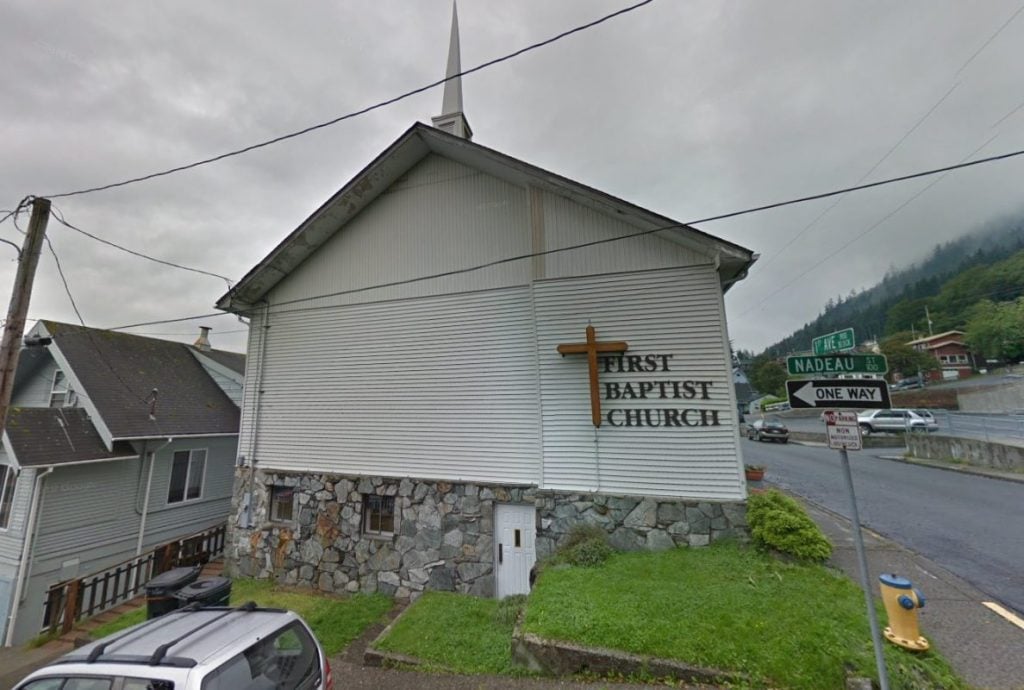
Local Christian Churches
Christianity has a strong presence in Ketchikan, and most neighborhoods have at least one church within easy reach. Because the community is small and close-knit, churches often serve not only as places of worship but also as centers of social life and support. Many congregations organize activities, potlucks, youth groups, and volunteer programs that strengthen community bonds.
The main Christian denominations in Ketchikan include:
- Catholic: Holy Name Catholic Church is one of the oldest and most prominent congregations in Ketchikan. It offers regular Mass services, community outreach, and events that bring families together.
- Baptist: Several Baptist congregations are active in town, including First Baptist Church of Ketchikan, which emphasizes both worship and community service.
- Lutheran: First Lutheran Church is another long-established church that provides traditional worship services, youth programs, and Bible studies.
- Methodist: Ketchikan United Methodist Church welcomes individuals and families with regular worship, Sunday school, and fellowship opportunities.
- Non-Denominational and Community Churches: Ketchikan also has several independent Christian churches that welcome worshippers of all backgrounds. These churches tend to have contemporary worship services and active music programs.
Because of their community-centered role, these churches often act as gathering places for families new to the area, helping newcomers connect quickly with others.
Other Religious Communities
While Christianity is the dominant faith in Ketchikan, there are also small but active groups representing other religions and spiritual traditions. These may not have large congregations, but they provide meaningful opportunities for worship and fellowship.
- Jewish Community: Although there is no formal synagogue, Jewish residents sometimes gather for services, holiday observances, or community meals.
- Buddhist and Meditation Groups: Small meditation circles or Buddhist groups meet informally to practice and study together.
- Native Spiritual Traditions: The Tlingit, Haida, and Tsimshian peoples of Southeast Alaska also carry on their own cultural and spiritual practices, which are celebrated through ceremonies, dances, and gatherings.
These smaller groups reflect Ketchikan’s diversity and the town’s respect for different faiths and spiritual traditions.
Community Outreach Programs and Events
Churches and religious groups in Ketchikan play an important role in community outreach, offering support services that extend beyond their congregations. These efforts often focus on helping families, children, and those in need, making them valuable resources for new residents.
Common outreach activities include:
- Food Pantries and Meal Programs: Churches often organize food drives and free community meals for residents facing hardship.
- Youth Programs: Many churches run after-school activities, vacation Bible schools, and youth groups to give children and teens a safe, supportive environment.
- Support Groups: Churches sometimes host meetings for recovery programs, grief support, or counseling services.
- Holiday Events: Christmas pageants, Easter celebrations, and Thanksgiving community meals are often open to everyone, not just members.
Ketchikan offers a wide range of Christian churches and a smaller but vibrant selection of other faith communities. Beyond weekly services, churches play a central role in the social and cultural fabric of the town, organizing events, outreach programs, and support services that welcome both long-time residents and new arrivals.
For someone moving to Ketchikan, becoming involved with a local church or religious group can be an excellent way to build connections, give back to the community, and feel more at home in this unique island city.
Public Transportation

Overview of Ketchikan Gateway Borough Transit (The Bus)
Ketchikan’s main public transportation system is the Ketchikan Gateway Borough Transit, commonly called “The Bus.” This service is the backbone of local transit, connecting most neighborhoods along Tongass Avenue to downtown, the West End, and surrounding areas. For residents who do not own a car, The Bus provides an affordable and reliable way to commute to work, school, shopping centers, and community services.
Buses are designed to run year-round, even in rainy or stormy weather, which is important given Ketchikan’s climate. While the system is smaller than those in larger cities, it is well-suited for Ketchikan’s compact layout and relatively small population.
For updated routes, maps, and schedules, you can visit the Ketchikan Gateway Borough Transit website.
Routes Serving Tongass Avenue (Including Stops Near McDonald’s)
The majority of Ketchikan’s bus routes run along Tongass Avenue, which is the city’s main road and home to many of its businesses, schools, and shopping areas. This makes it very convenient for commuting, especially if you are working at the McDonald’s located at 2417 Tongass Avenue.
- West End Service: Since McDonald’s is located in the West End, there are multiple bus stops within walking distance of the restaurant. Employees can easily commute to work from both downtown and Saxman using these routes.
- Downtown to West End: Buses travel along Tongass Avenue from downtown to the West End in about 10–15 minutes, depending on traffic.
- Saxman to West End: Residents living in Saxman can expect about a 15-minute ride to McDonald’s, with buses running directly along Tongass Avenue.
- North Tongass Service: Buses also extend northward, although service may be less frequent and travel times longer (20–30 minutes to reach McDonald’s).
Because McDonald’s is near shopping centers and Safeway, the area is well-served by multiple routes, making commuting straightforward.
Fares, Passes, and Schedules
The Bus system is designed to be affordable for both residents and visitors.
- Fares: A standard one-way fare is usually just a few dollars, making it one of the most cost-effective ways to get around town. Reduced fares are available for seniors, students, and individuals with disabilities.
- Passes: Monthly or weekly bus passes can be purchased for unlimited rides, which is especially useful for workers commuting daily to McDonald’s or other businesses.
- Schedules: Buses generally run from early morning until evening hours, with reduced schedules on weekends and holidays. During the busy summer tourist season, service may expand slightly to accommodate more riders.
Because routes are relatively short, buses are usually on time, though heavy rain or construction can occasionally cause delays.
Other Transportation Options
In addition to The Bus, residents of Ketchikan have access to several other transportation choices, though availability is more limited compared to larger cities:
- Taxis: Taxis are available but can be more expensive for regular commuting. They are most useful for short trips, late-night rides, or when carrying groceries.
- Uber and Lyft: Ride-hailing services such as Uber and Lyft exist in Ketchikan, but the availability of drivers is limited, especially outside of peak tourist months. It’s wise not to rely on these as your primary form of transportation.
- Ferries: Ketchikan is located on an island, so ferries are an essential part of regional travel. The Alaska Marine Highway System connects Ketchikan to other towns in Southeast Alaska, and the Ketchikan International Airport ferry provides access to the airport on nearby Gravina Island.
- Rental Cars: Rental cars are available, particularly for visitors or residents needing temporary transportation.
Walkability and Biking Conditions in Ketchikan
Ketchikan is a compact, walkable community, especially in downtown and the West End. Many people walk to work, school, or shops, though the frequent rain means good waterproof clothing and sturdy shoes are essential. Sidewalks are common in central areas, but may be limited in rural stretches like North Tongass.
- Walkability: Downtown and the West End are highly walkable. Living in these areas makes it easy to access shops, restaurants, schools, and McDonald’s without a car.
- Biking: While biking is possible, it can be challenging due to frequent rain, slippery roads, and limited bike lanes. Some residents use bikes during the summer, but cars and buses remain more practical year-round.
- Accessibility: Most neighborhoods are built along Tongass Avenue, making them easily accessible by bus or car, but the hilly terrain outside the main road can make walking and biking more difficult.
Getting around Ketchikan is straightforward thanks to The Bus, which runs reliably along Tongass Avenue and serves most major neighborhoods, including stops near McDonald’s. Affordable fares and convenient routes make it a good choice for employees commuting to work. While taxis, Uber/Lyft, and ferries provide alternatives, most residents combine bus service with walking or driving.
For newcomers, it is best to think of Ketchikan as a walk-and-bus-friendly town, where rain gear is as important as a bus pass, and where daily travel is shaped by the rhythm of island life.
Health & Wellness
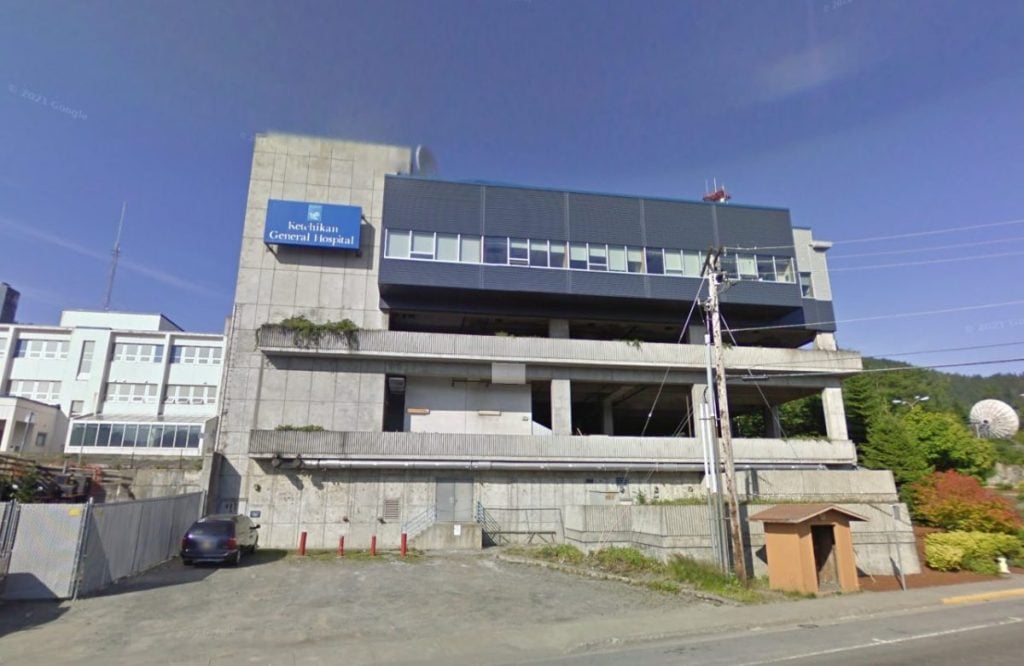
PeaceHealth Ketchikan Medical Center – The Main Hospital
The primary healthcare facility in Ketchikan is the PeaceHealth Ketchikan Medical Center, located near downtown. This full-service hospital provides both inpatient and outpatient care, making it the central hub for medical services in the community.
PeaceHealth offers:
- Emergency Services: A 24-hour emergency department equipped to handle urgent and critical medical situations.
- Primary Care and Family Medicine: General health services, routine check-ups, and long-term care for residents of all ages.
- Surgical and Specialty Services: Including orthopedics, cardiology, obstetrics, and general surgery.
- Maternity and Women’s Health: Prenatal, labor, delivery, and postnatal care, along with gynecology services.
- Diagnostic Services: Imaging, lab testing, and outpatient procedures.
For residents of Ketchikan, PeaceHealth is the main option for hospital care, though for highly specialized treatment, patients may be referred to larger hospitals in Seattle or Anchorage. Still, the facility is modern and well-equipped for most healthcare needs.
Urgent Care, Dental, Vision, and Specialty Clinics
In addition to the hospital, Ketchikan has several smaller clinics and medical offices that provide focused healthcare services.
- Urgent Care: Local urgent care centers provide treatment for non-life-threatening issues such as minor injuries, flu, infections, and other immediate health concerns. These clinics are often more convenient than the hospital ER for quick care.
- Dental Clinics: Several dental offices in Ketchikan offer preventive care, cleanings, orthodontics, and oral surgery. Dental care is in demand, so appointments should be scheduled in advance.
- Vision Clinics: Optometrists and vision care centers provide eye exams, glasses, and contact lens fittings. Some clinics also coordinate with specialists in larger cities for advanced care.
- Specialty Clinics: Services such as physical therapy, chiropractic care, and behavioral health counseling are available locally. Though the options are fewer than in large cities, Ketchikan has providers that meet most residents’ needs.
Pharmacies – Safeway Pharmacy and Walgreens
Residents have access to several pharmacies for prescriptions and over-the-counter medications:
- Safeway Pharmacy: Conveniently located inside the Safeway grocery store, this pharmacy is ideal for combining prescription pickups with grocery shopping. It also provides immunizations such as flu shots.
- Walgreens: Located in the West End, Walgreens offers prescription services, health consultations, and everyday health essentials.
- Hospital and Clinic Pharmacies: PeaceHealth also operates a pharmacy for patients leaving the hospital or receiving outpatient care.
Having both Safeway and Walgreens ensures residents can access medications quickly and conveniently.
Gyms, Wellness Centers, and Community Fitness Programs
Ketchikan may be small, but it offers several ways for residents to stay active and maintain wellness, both indoors and outdoors.
- Ketchikan Recreation Center: A public facility that includes a gymnasium, fitness classes, indoor sports programs, and youth activities. It’s one of the most popular fitness hubs in town.
- Local Gyms: Several privately owned gyms and fitness studios provide weight training equipment, cardio machines, yoga, and group exercise classes.
- Community Fitness Programs: The Borough and local nonprofits often sponsor wellness initiatives, such as walking clubs, fitness challenges, or outdoor activity groups. These programs encourage healthy living while also creating opportunities to connect socially.
- Wellness Centers: Massage therapy, acupuncture, and holistic health services are also available in Ketchikan. These centers focus on relaxation, stress management, and whole-body health.
With the town’s access to trails, kayaking, and fishing, many residents also consider the outdoors their “gym,” enjoying year-round activity despite the rain.
Ketchikan provides a complete but small-scale healthcare system, centered around PeaceHealth Ketchikan Medical Center for hospital and emergency needs, supported by urgent care, dental, vision, and specialty clinics. Pharmacies like Safeway and Walgreens make prescription services easy to access, while fitness and wellness needs are met by a combination of gyms, recreation centers, and outdoor opportunities.
For new residents, this means you’ll have reliable access to both medical and wellness services, though for highly specialized care, you may need to travel to a larger city. Overall, Ketchikan offers a supportive environment for maintaining good health while adjusting to island life.
Community Resources
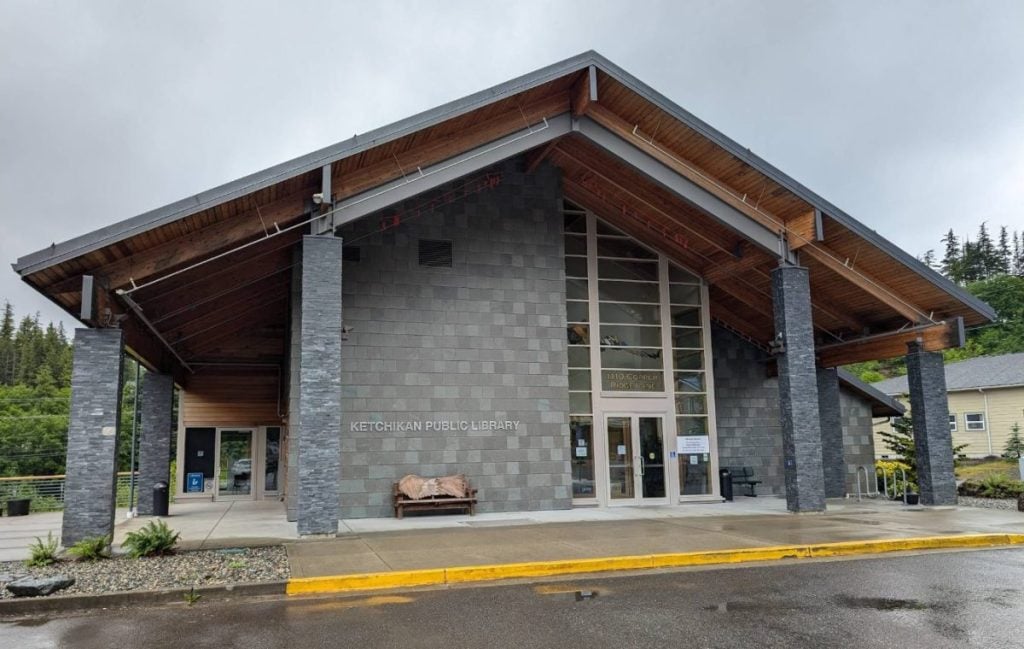
Ketchikan Public Library
The Ketchikan Public Library is more than just a place to borrow books—it serves as a cultural and educational hub for the entire community. Located downtown, it is the oldest public library in Alaska and offers a wide range of services that support residents of all ages.
Key services include:
- Book and Media Collections: Thousands of books, magazines, eBooks, and DVDs are available for loan.
- Public Computers and Internet Access: Free access to computers and Wi-Fi makes the library a valuable resource for job seekers, students, and residents without home internet.
- Programs for All Ages: Storytimes for children, teen activities, author talks, and adult education programs are held regularly.
- Meeting and Study Spaces: Rooms are available for quiet study, community meetings, or small group gatherings.
- Cultural Events: The library often partners with local artists, musicians, and educators to host workshops and performances.
For more information about programs and resources, you can visit the Ketchikan Public Library website.
Borough and City Offices for Utilities and Permits
Living in Ketchikan means becoming familiar with the services provided by the Ketchikan Gateway Borough and the City of Ketchikan. These offices manage utilities, permits, and other essential services that keep daily life running smoothly.
- Utilities: The City of Ketchikan provides electricity, water, and wastewater services. Residents can set up utility accounts by contacting the city offices.
- Permits and Licenses: Borough and city offices issue permits for building, business operations, and other activities.
- Public Services: These offices also oversee planning, zoning, public works, and community projects.
Newcomers often stop by these offices when moving in to establish utilities, register for services, or get information about community regulations.
Useful resources:
Job Assistance and Local Employment Centers
While many newcomers arrive in Ketchikan for specific jobs, such as at McDonald’s, others may seek additional work or career development. The community provides several resources for job assistance and workforce training.
- Alaska Job Center Network – Ketchikan Office: This state-run employment center offers job listings, resume help, interview coaching, and connections to local employers. It also provides training programs for job seekers looking to enter new industries.
- University of Alaska Southeast – Ketchikan Campus: In addition to degree programs, the university offers career counseling and workforce development courses.
- Local Job Boards: Many employers in Ketchikan list jobs in the Ketchikan Daily News or through community bulletin boards, in addition to online platforms like Indeed.
These resources are especially useful for families with a working spouse or for students seeking part-time work.
Volunteer Groups and Nonprofits Serving the Community
Ketchikan has a strong spirit of volunteerism, and many nonprofits play important roles in supporting residents. Getting involved in these groups is a great way for newcomers to meet people and give back to the community.
Some notable organizations include:
- Southeast Alaska Independent Living (SAIL): Provides services and advocacy for people with disabilities.
- First City Homeless Services: Offers shelter and support for individuals experiencing homelessness.
- Ketchikan Humane Society: Focuses on animal rescue, adoption, and community education.
- Local Churches and Faith Groups: Many run food banks, clothing drives, and meal programs open to all community members.
- Arts and Cultural Groups: The Ketchikan Area Arts and Humanities Council and similar organizations support cultural events, performances, and exhibitions.
Volunteer opportunities range from helping at community events and supporting social services to environmental conservation projects, such as beach cleanups or trail maintenance.
Ketchikan offers a variety of resources to support residents’ daily needs and long-term success. The public library provides education and cultural enrichment, while city and borough offices ensure access to utilities and permits. Job seekers can turn to local employment centers and the university for training and support, and the town’s many nonprofits and volunteer groups make it easy to become part of the community.
For newcomers, these resources not only provide practical assistance but also offer ways to connect with neighbors, learn new skills, and feel more at home in Ketchikan.
Cost of Living

Average Rent for Apartments and Houses in Different Neighborhoods
Housing is one of the largest expenses in Ketchikan, and prices tend to be higher than in many parts of the mainland United States. This is due in part to the island’s limited space for new housing developments and the challenges of transporting construction materials.
- Downtown Ketchikan: Apartments in historic buildings and small complexes typically rent for $1,100–$1,600 per month, depending on size and updates. Houses are less common downtown, but when available, they can cost $1,800–$2,400 per month.
- West End (near McDonald’s): Apartments and duplexes are widely available in this area, with rents averaging $1,200–$1,700. Single-family homes closer to schools and shops can range from $1,700–$2,500.
- Saxman: Rentals here are slightly more affordable, with apartments and small homes averaging $1,000–$1,400 per month, though availability is limited.
- North Tongass: Houses in this more rural and scenic area are in demand, often renting for $1,800–$2,500 or more, especially if they offer waterfront views. Apartments are less common here.
In general, Ketchikan rents are higher than the national average but lower than those in Anchorage or Juneau. Still, planning ahead is important due to limited inventory.
Utilities and Heating Costs
Utilities in Ketchikan are typically higher than in many U.S. cities because of the climate and the need for consistent heating and electricity.
- Electricity: The City of Ketchikan operates its own hydroelectric power system, but rates are still higher than the national average. Monthly bills can range from $150–$250, depending on home size and usage.
- Heating: Because winters are damp and cool, homes often use electric heaters, oil furnaces, or wood stoves. Heating costs are significant, particularly in older homes without good insulation. Budget at least $150–$300 per month during colder months.
- Water and Sewer: Provided by the city, usually included in monthly utility bills, averaging $60–$100.
- Internet and Phone: Internet speeds are improving, but options are fewer than in large cities. Expect to pay around $80–$120 per month for internet service.
To manage costs, many residents use layered clothing indoors, efficient heating systems, and LED lighting to keep bills lower.
Grocery and Food Prices
Because Ketchikan is only accessible by ferry or air, nearly everything sold in local stores must be shipped in. This adds significant costs to groceries and other goods.
- Grocery Prices: Fresh produce, dairy, and meat can cost 20–40% more than on the mainland. For example, a gallon of milk may be $6–$7, and fresh fruit can be double the price of what you’d find in Washington state.
- Local Seafood: Fortunately, seafood is abundant and often more affordable than on the mainland. Fresh salmon, halibut, crab, and shrimp can be purchased from local markets and fishermen at competitive prices.
- Bulk Purchases: Many residents save money by ordering bulk dry goods and non-perishables from stores like Costco in Washington and shipping them to Ketchikan by barge.
- Farmers Market: Seasonal produce, baked goods, and crafts are available at the Ketchikan Farmers Market, which can supplement grocery shopping and support local producers.
Grocery shopping in Ketchikan requires flexibility and planning, but with some creativity, residents balance costs while enjoying the unique food culture of Southeast Alaska.
Transportation and Commuting Expenses
Transportation is another factor in the cost of living. While Ketchikan is compact and commuting distances are short, certain costs are higher than in mainland cities.
- Gasoline: Gas prices in Ketchikan are generally higher than the national average due to shipping costs. Expect to pay $0.50–$1.00 more per gallon than on the mainland.
- Car Ownership: Cars are more expensive to ship to the island, and maintenance can cost more if parts need to be imported.
- Public Transportation: The Bus provides affordable commuting, with fares costing just a few dollars per ride and monthly passes available for regular riders. For someone working at McDonald’s, using the bus can significantly reduce commuting costs.
- Air Travel and Ferries: While not part of daily commuting, travel off the island adds expense. Flights to Seattle or ferries to other towns in Southeast Alaska can be costly but are often necessary for vacations, medical appointments, or family visits.
Tips for Budgeting in an Island City
Living in Ketchikan requires careful budgeting and planning ahead. Costs are manageable, but higher shipping expenses and limited housing mean it’s important to be proactive.
- Plan Housing Early: Start your housing search before moving, and be prepared to pay deposits up front.
- Buy in Bulk: Order non-perishables, household goods, and even some personal items in bulk from mainland retailers.
- Embrace Local Foods: Take advantage of affordable local seafood and seasonal produce at farmers markets.
- Use Public Transit: Save money by relying on The Bus when possible instead of driving everywhere.
- Energy Efficiency: Invest in warm clothing and home insulation to reduce heating costs.
- Budget for Travel: If you expect to leave the island occasionally, set aside savings for air or ferry travel.
Ketchikan’s cost of living is shaped by its island location. Rent and utilities are higher than the U.S. average, groceries cost more due to shipping, and transportation can be expensive. However, local seafood, community resources, and short commuting distances help balance the budget. With smart planning, like buying in bulk, using public transit, and embracing the local lifestyle, residents can live comfortably while enjoying the natural beauty and close-knit community that make Ketchikan unique.
McDonald’s, 2417 Tongass Avenue, Ketchikan, AK 99901
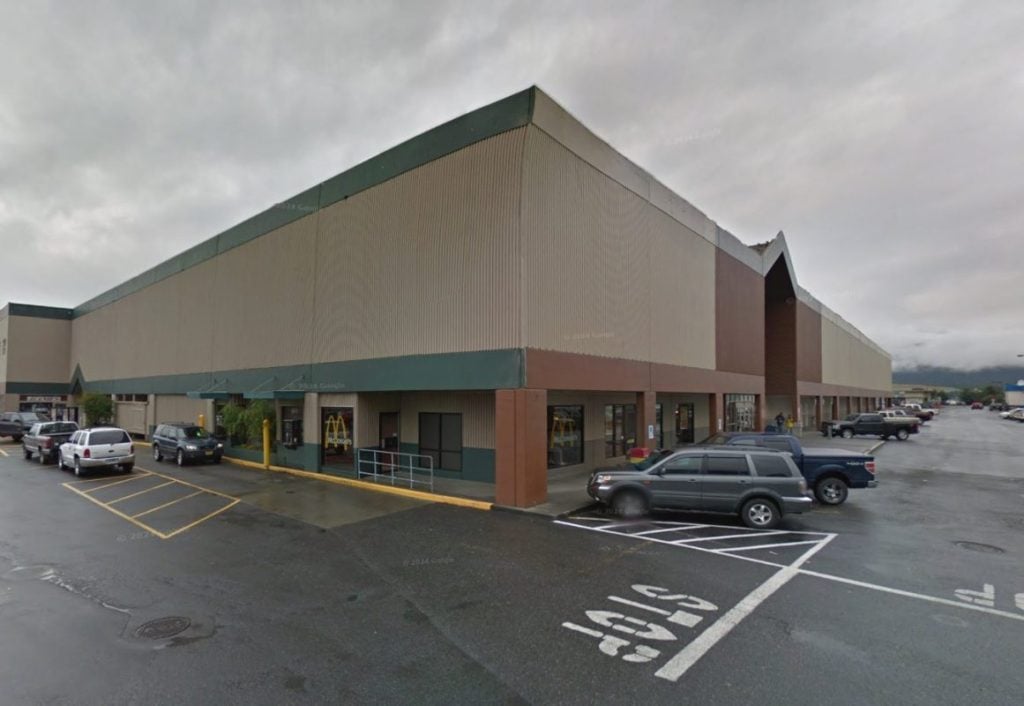
Description of the Location
The McDonald’s at 2417 Tongass Avenue is located in Ketchikan’s West End, one of the busiest and most convenient areas in the city. The restaurant is close to Safeway, Walgreens, Walmart (small format), and other retail shops, making it part of a commercial hub where locals frequently shop, run errands, and dine. This location benefits from steady customer traffic, including residents, workers from nearby businesses, and visitors.
For employees, this central placement means McDonald’s is highly accessible whether you live downtown, in Saxman, or further out in North Tongass. Being near grocery stores, pharmacies, and shopping centers also makes it easy to combine work shifts with personal errands before or after work.
Parking and Bike Accessibility
- Parking: The West End McDonald’s has a parking lot that provides convenient spaces for both employees and customers. Because the restaurant is located along Tongass Avenue, a major roadway, driving is straightforward, and parking is rarely a problem compared to downtown.
- Bike Accessibility: For those who live nearby, biking is an option, though it can be challenging in Ketchikan’s frequent rain. Bike racks are available, but most employees prefer driving or using the bus system, especially in wet or colder months.
- Public Transit Access: Several bus routes along Tongass Avenue stop near the McDonald’s, which makes commuting without a car practical. This is a major advantage for workers relying on The Bus system.
Work Environment
Working at McDonald’s in Ketchikan means being part of a close-knit team in a small-town setting. Unlike big-city locations where staff may come and go quickly, the Ketchikan restaurant often has a sense of community among employees. Many workers are locals who grew up in town, while others are newcomers who find McDonald’s a great entry point into the workforce.
Key aspects of the work environment:
- Team-Oriented Atmosphere: Staff work closely together, and shifts are often small enough that you get to know your coworkers well.
- Fast-Paced Service: As with any McDonald’s, peak hours can be busy, especially at lunchtime and during the summer tourist season when cruise ships dock in town.
- Training and Support: New employees receive hands-on training. Management typically supports scheduling needs, particularly for students or those balancing other jobs.
- Customer Base: A mix of regular local customers, families, and seasonal visitors. Employees often enjoy the familiarity of seeing the same customers weekly.
Nearby Employee Conveniences
One advantage of working at this McDonald’s is its convenient location within the West End commercial district. During breaks or after shifts, employees have easy access to:
- Safeway (next door): For groceries, hot meals, or snacks.
- Walgreens: For prescriptions, personal items, and quick shopping.
- Walmart (small format): For affordable clothing, electronics, and household supplies.
- Local Restaurants and Cafes: Options for coffee or meals include Sweet Mermaids, Pilothouse Coffee, and nearby pizza places.
- Banks and ATMs: Several financial institutions and ATMs are located within walking distance.
This makes it simple for employees to take care of personal tasks before or after work without needing to make extra trips around town.
The McDonald’s at 2417 Tongass Avenue is ideally situated in Ketchikan’s West End, near essential shops and services. With ample parking, bus access, and close proximity to grocery stores and pharmacies, it is a highly convenient workplace for employees. The work environment combines the fast-paced demands of quick service with the friendly atmosphere of a small community, making it a welcoming job site for newcomers to Ketchikan.
Getting to McDonald’s from Different Neighborhoods
Because Ketchikan is built along the coastline with Tongass Avenue as the main road, commuting to the McDonald’s at 2417 Tongass Avenue is relatively simple no matter which neighborhood you live in. Most commutes are short by car or bus, and even residents who live farther north or south along Tongass Highway can reach the West End location without much difficulty.
From Downtown Ketchikan
- By Car: The drive from downtown to the West End McDonald’s usually takes 5–10 minutes, depending on traffic and weather.
- By Bus: The Bus runs directly along Tongass Avenue, making it a quick and easy ride from downtown to the West End. Buses are frequent during the day, and travel time is about 10 minutes.
- Convenience: Downtown residents often prefer the bus since it avoids parking hassles and is inexpensive. Walking is possible, though the distance makes it less practical unless you live near the western edge of downtown.
From Saxman
- By Car: Saxman is located just south of Ketchikan. The commute by car is about 10–15 minutes, depending on the exact location and traffic.
- By Bus: Bus service runs along Tongass Avenue through Saxman, connecting directly to the McDonald’s area. The ride takes about 15 minutes.
- Convenience: Living in Saxman offers a short, direct commute. This makes it a practical neighborhood for McDonald’s employees who want more affordable housing options and a strong community atmosphere.
From North Tongass
- By Car: The North Tongass Highway stretches away from the busier parts of town. A commute to McDonald’s typically takes 20–25 minutes by car, with longer times if there is heavy rain or fog.
- By Bus: Bus routes do extend to North Tongass, but rides are longer and less frequent than from downtown or Saxman. Expect 20–30 minutes of travel on the bus.
- Convenience: North Tongass is best for employees who value quiet, scenic living and don’t mind a longer commute. Driving is the most practical option here.
From South Tongass
- By Car: The South Tongass area lies past Saxman, and commutes by car usually take 15–20 minutes to reach McDonald’s.
- By Bus: Bus service is available, but connections may be required depending on where you live along South Tongass. Expect 20–25 minutes of bus travel.
- Convenience: Like North Tongass, South Tongass offers more space and quieter living, though daily commutes are longer.
Carpooling and Transit Pass Options
- Carpooling: Many employees in Ketchikan choose to carpool with coworkers or neighbors, especially during stormy weather or when gas prices are high. Carpooling is practical since most commutes are along the same stretch of Tongass Avenue.
- Transit Passes: For those using The Bus regularly, monthly passes are available and can save money compared to paying single fares every day. This is especially helpful for part-time employees or students working at McDonald’s who may not own a car.
- Combination Commuting: Some employees choose to drive partway and then take the bus, particularly if they live outside the main service area.
Commuting to the McDonald’s at 2417 Tongass Avenue is relatively easy thanks to its location in the West End, which is central and well-connected by bus routes.
- Downtown and Saxman: Very short commutes, 10–15 minutes or less.
- North and South Tongass: Longer commutes of 20–25 minutes, but still manageable.
- Public Transit and Carpooling: Both are widely used, cost-effective, and practical for employees.
For newcomers, the key to commuting in Ketchikan is being prepared for rain and planning around the bus schedule or driving conditions. Once you adjust, getting to work is simple and rarely stressful.
Maps & Local Contacts
Map of Ketchikan
To better understand Ketchikan’s layout, it’s important to remember that the city is built along the shoreline of Revillagigedo Island, with Tongass Avenue serving as the main roadway that connects downtown, the West End, Saxman, and the northern and southern stretches of town.
On a map of Ketchikan, you will see:
- Downtown: At the southern end, home to historic Creek Street, ferry terminals, and cultural attractions.
- West End: The commercial district where you’ll find McDonald’s at 2417 Tongass Avenue, Safeway, Walgreens, and other shopping centers.
- Saxman: Just south of downtown, a smaller village known for its Native heritage and totem park.
- North Tongass and South Tongass: More rural areas that extend along the highway, with scenic homes and longer commutes.
You can view an interactive map through Google Maps – Ketchikan, AK to explore neighborhoods, shopping areas, and the McDonald’s location.
Emergency Numbers
In Ketchikan, emergency services are reliable and accessible. It’s important to keep these numbers handy:
- Police and Fire Emergencies: 911
- Ketchikan Police Department (Non-Emergency): (907) 225-6631
- Ketchikan Fire Department (Non-Emergency): (907) 225-5930
- PeaceHealth Ketchikan Medical Center (Hospital): (907) 225-5171
Because Ketchikan is on an island, emergency services are well-coordinated to ensure quick response times within the borough.
Contact Information for Schools
Families moving to Ketchikan will want to be familiar with local school contacts:
- Ketchikan Gateway Borough School District (KGBSD): (907) 225-2118
- Houghtaling Elementary School: (907) 225-8176
- Schoenbar Middle School: (907) 225-2411
- Ketchikan High School (Kayhi): (907) 225-9815
- Holy Name Catholic School (Private): (907) 225-2570
Most schools are located along Tongass Avenue, making them accessible by car or public transit.
Contact Information for Rental Agencies
Because housing is competitive in Ketchikan, contacting local agencies directly can improve your chances of finding an available apartment or home. Some helpful contacts include:
- Gateway City Realty: (907) 225-8000
- Coastal Real Estate Group: (907) 247-2363
- Facebook Marketplace & Local Classifieds: Many small landlords prefer posting rentals here.
It’s a good idea to check availability early, especially before the busy summer season when seasonal workers arrive.
Contact Information for Public Transportation
For those relying on The Bus, here are key contacts:
- Ketchikan Gateway Borough Transit (The Bus): (907) 225-8726
- Transit Office Address: 1900 First Avenue, Ketchikan, AK 99901
- Hours of Operation: Routes generally run daily with reduced service on weekends and holidays.
Bus passes, route maps, and schedules are available online or at the transit office.
Having easy access to local maps and contact information makes the transition to Ketchikan smoother. By familiarizing yourself with neighborhood layouts, emergency services, schools, rental agencies, and public transportation contacts, you’ll be better prepared to settle into your new life in this island community.
Conclusion
Recap of Life in Ketchikan
Ketchikan, Alaska, is a place where small-town charm meets the rugged beauty of Southeast Alaska’s coastal culture. From its historic boardwalks and colorful waterfront to its lively fishing heritage and Native traditions, the city offers a lifestyle that is both unique and rewarding. Life here is shaped by the sea, the rainforest, and the close-knit bonds of a community that looks out for one another.
Residents enjoy a balance of modern conveniences and natural beauty. Grocery stores, schools, healthcare facilities, and shopping centers are close by, while mountains, forests, and waterways provide endless opportunities for fishing, hiking, kayaking, and wildlife viewing. The rhythms of island life, rainy days, ferry travel, and seasonal festivals become part of everyday living, offering both challenges and unforgettable experiences.
Adjusting to Island Living
Moving to Ketchikan requires some adjustments, but the rewards are well worth it. Rain is frequent, transportation is limited to ferries and air travel, and groceries may be more expensive than on the mainland. However, these factors also create a community that is resourceful, welcoming, and deeply connected.
Embracing the local lifestyle means:
- Investing in good rain gear and learning to enjoy the outdoors in any weather.
- Supporting local shops, seafood markets, and farmers markets to experience authentic Alaskan culture.
- Building relationships with neighbors, coworkers, and community groups that quickly become a support system.
- Appreciating the slower pace of life, where natural beauty and cultural traditions shape daily routines.
With an open mind and willingness to adapt, newcomers find that Ketchikan becomes not just a place to live, but a community to call home.
A Warm Welcome to Your New Community and Job
If you are moving to Ketchikan for a job at McDonald’s on 2417 Tongass Avenue, you are entering both a supportive workplace and a welcoming town. Your new job is located in the heart of the West End commercial district, close to shops, schools, and essential services, making daily life convenient.
As you begin this new chapter, remember that Ketchikan is more than just a destination, it’s a community that embraces newcomers. Whether you are here as a single worker, with a partner, or with your family, you will quickly find opportunities to connect, learn, and grow.
Welcome to Ketchikan, Alaska, your new home in the “First City” of Alaska, where coastal culture, small-town living, and natural beauty come together.