Introduction
Who This Guide Is For
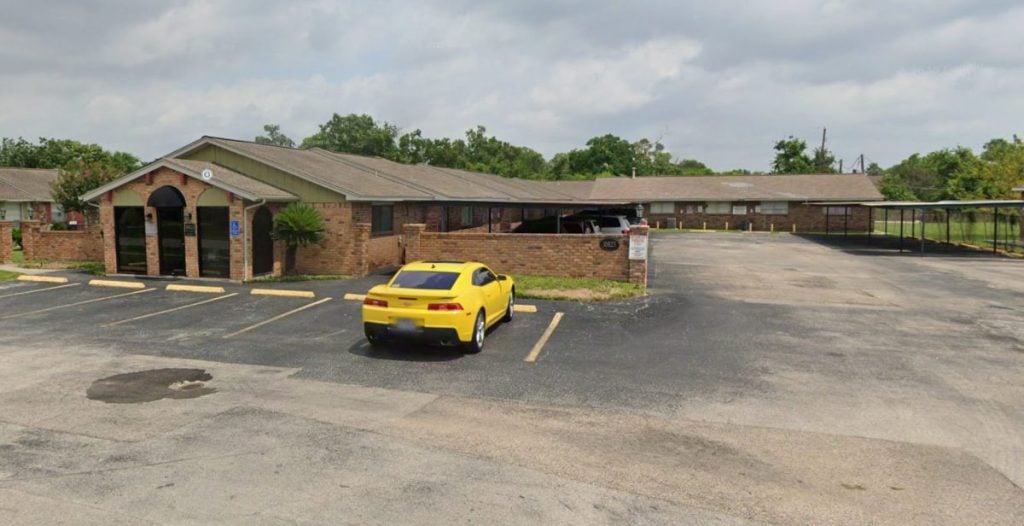
This guide is written for people preparing to move to Houston, Texas for the first time. If you recently accepted a position at Urban Bird Hot Chicken located at 8505 Main Street, Suite 150, Houston TX 77025, this guide was created specifically for you. It covers everything a newcomer needs to know about living and working near the South Main Street and Texas Medical Center corridor, from finding housing to using public transportation to exploring the remarkable cultural life available in this part of Houston.
Whether you are arriving alone, with a partner, or with a family, the information in this guide will help you make informed decisions before and after your move. Every chapter addresses practical questions that newcomers ask, and every answer prioritizes accuracy and usefulness over generality. This guide is designed for readers who have never lived in Houston and need a real picture of what daily life looks like in one of America’s most distinctive large cities.
Welcome to Houston and What First-Time Residents Should Expect
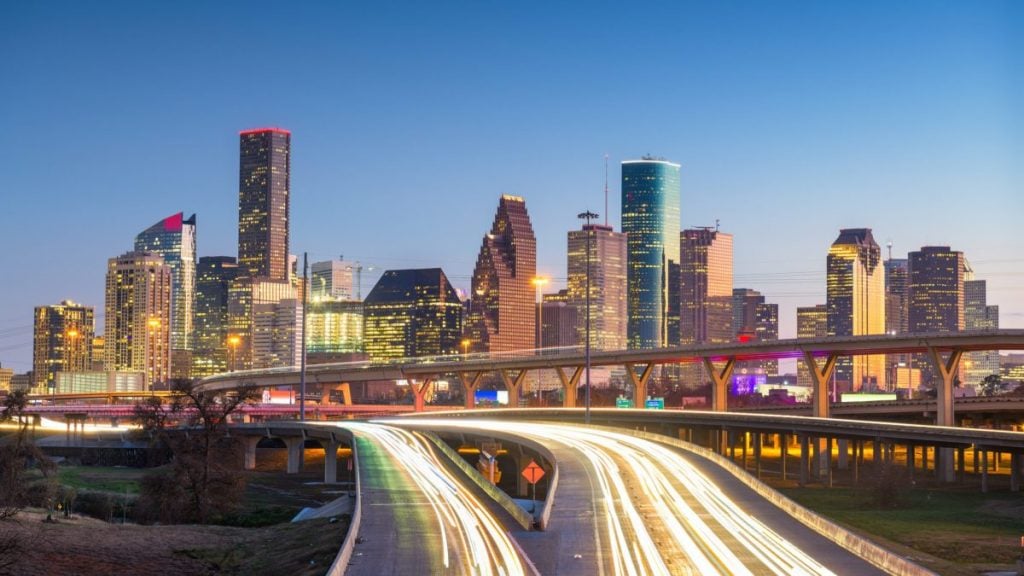
Houston is a city that consistently surprises people who arrive with preconceptions. Newcomers expecting a flat, oil-soaked Texas town quickly encounter one of the most cosmopolitan, culturally layered, and economically powerful cities in the United States. More than 145 languages are spoken in the Houston area. The city’s restaurant scene draws national recognition annually. Its performing arts institutions, including the Houston Symphony, the Houston Grand Opera, and the Houston Ballet, rank among the finest in the country. And the Texas Medical Center, located directly adjacent to the workplace at 8505 Main Street, is the largest medical complex in the world by total facility space.
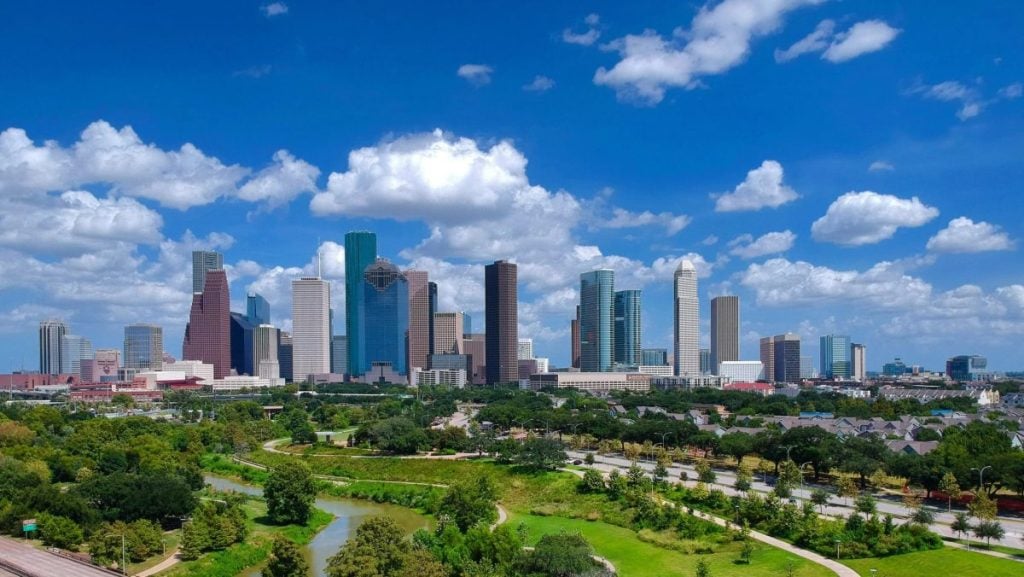
As a first-time Houston resident in the South Main and Medical Center area, a few things will stand out quickly. This part of the city is more walkable and transit-connected than most of Houston. The METRORail Red Line runs directly along Main Street and provides rail service to downtown Houston, Midtown, and numerous other destinations. Hermann Park, one of the great urban parks in the American South, is within easy reach on foot or by bike. Rice University’s campus, the Houston Museum District, and the concentrated cultural amenities of the Midtown and Montrose neighborhoods are all close by.
The cost of living near Main Street and the Medical Center is higher than in suburban Southeast or Northeast Houston, reflecting the convenience, walkability, and quality of life these urban neighborhoods offer. Housing within a mile or two of the workplace puts you near some of the most desirable and functional real estate in the city. If your budget allows for this part of Houston, the daily quality of life rewards the investment. If your budget is tighter, this guide will also walk you through the neighborhoods and transit options that give you access to this corridor from more affordable areas.
Overview of Houston as One of the Largest and Most Diverse Cities in the United States
Houston is the fourth-largest city in the United States with more than 2.3 million residents in the city proper and over 7.3 million people in the greater metropolitan area. The city covers approximately 670 square miles, making it one of the most expansive American cities by land area. Unlike many large cities, Houston has no traditional zoning laws, which has produced a city where residential homes, hospitals, restaurants, and office towers often sit next to one another without a clear separation of uses. Once you understand this, much of Houston’s layout starts to make sense.
Houston’s economy is one of the strongest and most diverse in the nation. The energy industry drives significant regional employment and investment, but healthcare, aerospace, legal services, financial services, and the hospitality and restaurant industries all contribute substantially. The Texas Medical Center alone employs approximately 106,000 people across more than 60 institutions. The Port of Houston is one of the busiest in the world. NASA’s Johnson Space Center anchors the aerospace economy of the Clear Lake area southeast of the city. These institutions give Houston a global economic identity that creates opportunity across many professional fields and income levels.
Diversity is one of Houston’s defining and most celebrated qualities. Residents trace their origins to virtually every country in the world, and this is reflected in the food, faith communities, cultural events, neighborhoods, and daily social life of the city. The area around the Texas Medical Center and the South Main corridor reflects this diversity in particularly concentrated form, with an international medical and research workforce living alongside established Houston families, students from Rice University and Texas Southern University, and the artists and creative professionals who have made Montrose and Midtown some of the most vibrant urban neighborhoods in the American South.
Why the Main Street and Medical Center Area Is a Convenient Place to Live and Work
The address 8505 Main Street, Suite 150, sits along South Main Street in the 77025 zip code, placing it in one of the most centrally located and transit-accessible employment corridors in the entire Houston metropolitan area. Main Street is one of the most historically significant roads in the city, running north to south from downtown Houston through the Midtown and Museum District areas, past the Texas Medical Center, and continuing south through the Braeswood and NRG Park areas. At 8505, the workplace sits on this corridor just south of the Medical Center and within a very short distance of NRG Stadium.
The METRORail Red Line, Houston’s primary light rail line, runs along Main Street directly past the workplace. The Smith Lands station serves commuters in the immediate area, and the Reliant Park station near NRG Stadium is also nearby. This makes 8505 Main Street one of the most transit-accessible workplace locations in Houston, giving employees the genuine option of commuting by rail from neighborhoods along the Red Line corridor including Downtown, Midtown, the Museum District, and the Medical Center itself.
Beyond transit, the location’s proximity to the Texas Medical Center means it is surrounded by some of the most sophisticated retail, dining, pharmacy, and healthcare infrastructure in the city. Hermann Park is minutes away on foot or by bike. Rice University’s campus, Rice Village shopping, and the residential neighborhoods of West University Place and Braeswood Place offer a quality of urban living that is rare in a city known primarily for suburban sprawl. For employees who choose to live near work, the South Main corridor and its surrounding neighborhoods provide a daily experience more like an east coast urban neighborhood than a typical Houston suburb.
What This Guide Will Help With
This guide covers every major dimension of daily life you will need to navigate as a new Houston resident in the South Main and Medical Center area. The chapters that follow address each topic in the depth a newcomer needs to make good decisions.
- Housing: Rent ranges for urban and near-urban neighborhoods, types of housing available, the unique considerations of the Medical Center housing market, flood zone risks near Brays Bayou, and how to use both transit access and walkability when evaluating a rental.
- Commuting: The METRORail Red Line and how to use it, METRO bus routes serving the area, driving routes via Loop 610 and connecting highways, and specific commute directions from every nearby neighborhood to 8505 Main Street.
- Schools: Houston ISD coverage in the area, elementary through high school campuses near the South Main corridor, private and charter school options in West University Place, Bellaire, and the broader inner-loop area, and nearby colleges and universities.
- Shopping and Services: Grocery stores, pharmacies, retail centers, and household supply stores within walking, biking, and short driving distance of the workplace.
- Recreation and Dining: Hermann Park, the Braes Bayou Trail, the Museum District, Houston Zoo, Miller Outdoor Theatre, and the exceptional restaurant and cultural life of Midtown, Montrose, and the neighborhoods surrounding the Medical Center.
- Community Resources: Government services, libraries, healthcare, assistance programs, and volunteer opportunities for new residents.
- Cost of Living: Realistic breakdowns of urban housing costs, utilities, transit versus driving expenses, and practical budgeting advice for life in one of Houston’s most desirable inner-loop neighborhoods.
Weather
General Climate Overview for Houston and Southeast Texas
Houston has a humid subtropical climate shaped by its proximity to the Gulf of Mexico and its position in the Gulf Coast region of Southeast Texas. The city experiences long, hot summers, mild winters, and year-round rainfall distributed across all seasons. The Gulf lies approximately 50 miles southeast of downtown Houston, and its warm, moisture-laden air continuously influences the atmosphere over the city. This creates the characteristic humidity that defines Houston’s weather and makes its summers feel far hotter than the thermometer alone suggests.
Annual average temperatures in Houston range from the upper 40s Fahrenheit during the coldest winter months to the mid-90s during the hottest summer stretches. The city receives approximately 50 inches of rain per year, which exceeds the annual rainfall of New York City despite Houston’s reputation as a dry or arid state. Rain falls throughout the year without a distinct dry season. The combination of flat terrain, clay-heavy soils, and an extensive bayou drainage system means that heavy rain events translate quickly into flooding across low-lying areas of the city. This is a critical consideration for anyone choosing where to live in the South Main and Medical Center area, where Brays Bayou runs nearby and contributed to flooding during Hurricane Harvey in 2017.
Spring Weather: Warm Temperatures, Rain, and Thunderstorms
Spring arrives in Houston by mid-to-late February and brings some of the most pleasant weather the city offers. March and April are typically comfortable, with daytime temperatures in the 70s and low 80s Fahrenheit and evenings that feel genuinely cool and refreshing. Herman Park’s trees and plantings come fully alive in spring, and the outdoor atmosphere near the Medical Center and the Braes Bayou Trail is at its most enjoyable during this season.
Spring is also storm season. Severe thunderstorm activity peaks from March through May, and the inner-loop area of Houston is susceptible to the same heavy rainfall and localized flooding that affect the rest of the city. Brays Bayou, which runs through the Meyerland and Braeswood neighborhoods southwest of the workplace, is particularly prone to overflow during heavy spring rain events. The METRORail Red Line, which runs at street level along Main Street, occasionally experiences delays during the most intense storms. Download the National Weather Service Houston app or follow local television stations KHOU 11, KPRC 2, and ABC13 for real-time severe weather updates.
Summer Weather: Hot Temperatures, High Humidity, and Frequent Afternoon Storms
Summer is Houston’s defining season, and it arrives in earnest by late May. From June through September, daytime temperatures regularly reach 95 to 98 degrees Fahrenheit, and the heat index during peak afternoon hours can push the felt temperature past 105 degrees. The humidity that characterizes Houston’s summers is a constant presence that makes outdoor activity genuinely demanding. The difference between summer in Houston and summer in a drier climate like Dallas or Denver is significant and takes most newcomers several weeks to fully appreciate.
Afternoon and evening thunderstorms are a daily feature of Houston summers. These storms typically develop in the early afternoon, move through quickly, and provide brief relief from the heat while producing the heavy rainfall that can temporarily flood streets and underpasses throughout the inner loop. The Medical Center area and the South Main corridor are generally well-drained compared to low-lying areas near the bayous, but road flooding after intense storms can affect any part of the city. Check TranStar at traffic.houstontranstar.org before commuting on stormy days.
Air conditioning is not optional in Houston from May through October. Every apartment, office, restaurant, vehicle, and store relies on it continuously. Your electricity bill will reflect this reality. One-bedroom apartments near Main Street and the Medical Center typically run $150 to $250 per month for electricity during peak summer months, and this is a cost to budget before the first summer bill arrives rather than after. The advantage of living in newer or well-maintained properties near the Medical Center is that modern HVAC systems run more efficiently than older units in suburban complexes.
Fall Weather: Warm Days with Cooler Evenings
Fall in Houston comes slowly. September often continues to feel like summer in every practical sense, with temperatures in the upper 80s and early 90s and the humidity only beginning to ease. By October, daytime highs start dropping toward the low 80s, and evenings begin to feel genuinely comfortable for the first time since May. November offers some of the finest weather Houston experiences all year, with temperatures in the 70s and evenings in the 50s and 60s that make outdoor dining, evening walks through Hermann Park, and concerts at Miller Outdoor Theatre genuinely enjoyable.
Fall is also the back half of hurricane season, which officially ends November 30. The Texas Medical Center area and the South Main corridor are not in a coastal evacuation zone, but the Brays Bayou watershed and the broader Houston drainage system respond to tropical rainfall in ways that create flooding risks well inland. During any hurricane or tropical storm threat, follow Harris County emergency management guidance and monitor the National Hurricane Center at nhc.noaa.gov.
Winter Weather: Mild Temperatures with Occasional Cold Fronts
Houston winters are mild by national standards. Daytime temperatures in December and January typically range from the upper 50s to the mid-60s Fahrenheit, and truly cold days are exceptions rather than the rule in most winters. Snow is rare and usually disappears within hours of falling. The inner-loop neighborhoods near the Medical Center have more tree canopy, more pedestrian activity, and a different feel from the suburban areas of the city during winter, and the mild temperatures make the neighborhood walkable and active year-round.
Cold fronts, known locally as “blue northers,” pass through Houston periodically from November through March and can drop temperatures by 20 to 30 degrees in a few hours. A warm afternoon can become a genuinely cold evening when a strong front arrives. Layering is the practical approach to Houston winters. The February 2021 Winter Storm Uri was a historic exception in which temperatures dropped far below freezing for days, causing widespread power outages and burst pipes across the city. Standard cold-weather preparedness, including a basic emergency supply kit and extra water, is prudent for all Houston residents.
Hurricane Season and Severe Weather Preparedness
Hurricane season runs from June 1 through November 30. While the South Main and Medical Center area is not in a coastal evacuation zone, the Brays Bayou watershed that runs through Meyerland, Braeswood Place, and West University Place is one of Houston’s most flood-prone systems. Hurricane Harvey in August 2017 caused catastrophic flooding throughout these neighborhoods. Many homes in Meyerland, West University Place, and along Brays Bayou flooded in Harvey, and some had flooded multiple times before Harvey as well.
Every new resident in the South Main and Medical Center area should complete the following preparedness steps before hurricane season begins each June.
- Register for Harris County emergency alerts to receive phone and text notifications during severe weather events.
- Check the FEMA Flood Map Service Center for the flood zone designation of any property you consider renting. Properties near Brays Bayou in Meyerland, Braeswood Place, and West University Place have elevated flood risk.
- Ask landlords directly whether the property flooded during Hurricane Harvey in August 2017 or during the Memorial Day flood of 2015 or the Tax Day flood of 2016. Multiple serious flooding events affected this area in a short period before and during Harvey.
- Purchase renter’s flood insurance through the National Flood Insurance Program at floodsmart.gov. Standard renter’s insurance does not cover flood damage.
- Build a supply kit with at least seven days of water, non-perishable food, medications, flashlights, a portable phone charger, and important documents in a waterproof container.
- Monitor the National Hurricane Center at nhc.noaa.gov and local stations KHOU 11, KPRC 2, and ABC13 throughout hurricane season for storm tracking and guidance.
How Weather Affects Commuting and Daily Routines
Rain is the most consistent weather-related disruption to commuting along the Main Street corridor. For employees using the METRORail Red Line, heavy rain occasionally causes service slowdowns but rarely stops trains entirely. For drivers, the intersections and underpasses near Loop 610 and the Beltway on rainy days can flood quickly, particularly near low-lying sections of the road network around the bayous.
The inner-loop location of the workplace is an advantage during severe weather. The Medical Center area and Main Street corridor are generally better-drained than many suburban parts of the city, and the availability of METRORail provides a weather-independent commute option that most Houston employees do not have. Employees who live along the Red Line and commute by rail avoid road flooding and traffic entirely on stormy days.
Clothing and Preparation Tips for Each Season
For summer, lightweight and breathable fabrics are essential from May through October. Light cotton, linen, and moisture-wicking materials handle the heat and humidity more comfortably than heavier options. Carry a light jacket or cardigan throughout the year, because the air conditioning inside the Texas Medical Center facilities, restaurants, stores, and offices along Main Street is set very cold to offset the outdoor heat. The gap between 97-degree outdoor temperatures and 68-degree indoor temperatures is a daily reality that new Houston residents consistently underestimate.
For spring and fall, layers work well. Temperature swings during individual days can be significant when cold fronts pass through, and a morning in the 70s can become a cool evening in the 50s without warning. Good walking shoes or comfortable boots are worth having year-round given the walkability of the neighborhood and the frequency of rainfall.
For winter, a medium-weight jacket handles most Houston winter days with ease. One good coat for cold snaps is sufficient for most winters. Keep a compact umbrella in your bag or backpack rather than your car, since the South Main area is walkable and rain can arrive quickly when you are on foot or waiting at a rail station.
Neighborhoods
Areas Closest to Urban Bird Hot Chicken
Medical Center Area
The Texas Medical Center occupies a massive campus immediately north of the 8505 Main Street workplace. The TMC is the world’s largest medical complex by total facility space, comprising more than 60 institutions including MD Anderson Cancer Center, Houston Methodist Hospital, Memorial Hermann Texas Medical Center, Texas Children’s Hospital, Baylor College of Medicine, UTHealth, and dozens of others. The area immediately surrounding the Medical Center is one of the most intensively developed institutional zones in the country, with hospital facilities, research buildings, medical office complexes, hotels, and residential communities woven together along the Main Street and Holcombe corridors.
For employees at 8505 Main Street, living anywhere within the Medical Center area puts you within walking or very short rail commuting distance of work. The TMC’s proximity means exceptional healthcare access, a wide variety of restaurants serving the medical workforce, 24-hour pharmacies, and a level of daily foot traffic and neighborhood activity that differs from the quieter residential areas to the south and west. Housing near the Medical Center tends to be priced higher than areas farther from the campus, reflecting the convenience premium that Medical Center proximity commands.
Braeswood Place
Braeswood Place is an established residential neighborhood southwest of the Texas Medical Center, bounded roughly by Braeswood Boulevard to the south, Weslayan to the east, and the neighborhoods feeding into Meyerland to the west. The community features a mix of mid-century single-family homes and some apartment and townhome options at various price points. Braeswood Place has a leafy, quiet residential character that contrasts with the institutional density of the Medical Center immediately to its northeast.
The neighborhood offers reasonable walkability to the Medical Center campus and to the Braes Bayou Trail that runs along the bayou to its south. Flood zone research is important in parts of Braeswood Place that lie near Brays Bayou. The neighborhood is served by Houston ISD and is conveniently located along bus routes connecting to the Medical Center and the broader Main Street corridor.
West University Place
West University Place, universally known in Houston as “West U,” is an independent municipality entirely enclosed within the city of Houston. It sits immediately west of the Medical Center campus and covers a relatively small but exceptionally wealthy residential area of roughly 15,000 residents. West U is characterized by mature tree canopy, well-maintained single-family homes that often sell for well over a million dollars, excellent schools, low crime, and a strong community identity maintained by its own city government and police department.
Renting in West University Place is possible but expensive. Single-family rental homes in West U typically command $3,000 to $6,000 per month or more depending on size and condition. Townhomes and a small number of apartments are also available at the lower end of this range. The appeal of West U for employees at 8505 Main Street is its extraordinary proximity to work, with walking commutes of 15 to 30 minutes feasible for many addresses, and cycling commutes even shorter. West U elementary school students attend schools within the Houston ISD system that consistently rank among the highest-performing in the city.
South Main Corridor
The South Main corridor refers to the stretch of Main Street and the neighborhoods flanking it south of the Texas Medical Center and north of Loop 610. This zone is one of the most transit-accessible residential corridors in Houston, with the METRORail Red Line running directly along Main Street and providing rail connections north to downtown and south toward NRG Stadium. Apartment communities, townhomes, and some single-family homes line the corridor and its connecting streets.
Living along the South Main corridor puts employees at 8505 Main Street within a very short commute by foot, bike, or rail. The METRORail’s Smith Lands station serves the immediate area around the workplace. For employees who prefer not to own a car or who want to minimize transportation costs, the South Main corridor is one of the most practical residential choices in the entire Houston area. Rents here are lower than in West University Place or some Midtown addresses but reflect the premium of inner-loop location and transit access.
Willow Meadows
Willow Meadows is a mid-century neighborhood located southwest of the Medical Center, extending south along Hillcroft Avenue toward Loop 610. The community features established single-family homes and some smaller apartment complexes at prices generally below those of West University Place or the immediate Medical Center area. The neighborhood has a quieter residential character and is served by Houston ISD.
Employees at 8505 Main Street can reach the workplace from Willow Meadows via Main Street and connecting local roads in approximately 15 to 25 minutes by car depending on traffic, or by catching a METRO bus along major corridors that connect to Main Street. The neighborhood provides a more affordable alternative to the premium areas closer to the Medical Center while maintaining a reasonable commute distance.
Meyerland
Meyerland is a well-established neighborhood along Brays Bayou to the southwest of the Medical Center, known for its mid-century ranch-style homes, tree-lined streets, strong community identity, and significant Jewish community presence. The neighborhood has been home to generations of Houston families and has strong connections to nearby synagogues, Jewish community institutions, and cultural organizations. Meyerland is served by Houston ISD, with access to strong elementary and middle school campuses.
Meyerland’s most serious challenge is its flood history. The neighborhood sits along Brays Bayou and has flooded multiple times in recent years, most catastrophically during Hurricane Harvey in 2017, when many homes received several feet of water. Some parts of Meyerland have been rebuilt and elevated since Harvey, while others remain in flood zones. Before renting or buying any property in Meyerland, flood zone research and direct conversations with landlords about Harvey flooding history are essential. Despite the flood risk, Meyerland remains a popular and desirable neighborhood for families who are informed about and prepared for the flooding considerations.
Other Neighborhoods People Often Choose
Bellaire
Bellaire is a small independent city of approximately 20,000 residents entirely enclosed within the city of Houston, located south of West University Place and southwest of the Medical Center. Like West U, Bellaire operates its own city government, police department, and public works. The community is known for excellent schools through a combination of HISD campuses and its own city character, diverse and active community programming, and a range of housing from mid-century single-family homes to newer townhomes and condominiums.
Bellaire High School, served by HISD, is one of the most highly regarded high school campuses in the Houston area. The school reflects Bellaire’s extraordinary diversity, with students representing dozens of nationalities and language backgrounds. Rents in Bellaire run somewhat lower than West U but higher than Willow Meadows or Meyerland. Commute times from Bellaire to 8505 Main Street are typically 15 to 25 minutes by car via local roads.
Midtown
Midtown is one of Houston’s most vibrant urban neighborhoods, located between downtown to the north and the Museum District and Medical Center to the south, with Montrose to the west. The METRORail Red Line runs through Midtown with multiple stations, making it one of the most transit-connected residential neighborhoods in the city. Midtown has transformed dramatically over the past two decades from a neglected post-industrial neighborhood into a dense mix of apartments, restaurants, bars, galleries, and small businesses that attracts young professionals, creatives, and Medical Center workers.
Apartment options in Midtown are plentiful and range from older, more affordable complexes to new luxury high-rises with resort amenities. The neighborhood’s walkability, nightlife, dining scene, and transit access make it popular with residents who want an urban lifestyle with genuine alternatives to car dependence. Commuting from Midtown to 8505 Main Street via METRORail is straightforward, requiring one or two stops on the Red Line.
Montrose
Montrose is Houston’s most distinctive urban neighborhood, located west of Midtown and northwest of the Medical Center. The neighborhood is known for its exceptional diversity, LGBTQ-friendly character, concentration of independent restaurants and bars, art galleries, music venues, and a streetscape that reflects decades of organic, eclectic growth. Montrose is one of the few Houston neighborhoods where walking between restaurants, shops, and entertainment feels natural and enjoyable rather than exceptional.
Housing in Montrose includes everything from older bungalows on tree-lined streets to newer apartment complexes and townhome developments. The range of price points is broader than in West U or Bellaire, making Montrose accessible to a wider income range while maintaining its reputation for neighborhood quality and character. Commuting from Montrose to 8505 Main Street typically takes 15 to 25 minutes by car, or employees can connect to the METRORail Red Line via local bus or a short drive or bike ride to a nearby station.
Museum District
The Museum District is the area surrounding Hermann Park and the concentration of 19 museums along the Main Street and Bissonnet corridors. Living in the Museum District places residents within walking distance of Hermann Park, the Houston Zoo, the Miller Outdoor Theatre, Rice University, and the full collection of world-class museums that make this corridor one of the city’s most culturally rich zones. Apartment communities and some townhomes are available in the area at prices that reflect the exceptional walkability and proximity to cultural assets.
Commuting from the Museum District to 8505 Main Street is among the shortest of any neighborhood option. The METRORail Red Line’s Museum District station is along the corridor, and walking or cycling from many Museum District addresses to the workplace is feasible.
Rice Military
Rice Military is a popular inner-loop neighborhood northwest of downtown along Washington Avenue, known for its restaurants, bars, and proximity to Buffalo Bayou Park and Memorial Park. The neighborhood attracts younger professionals and Medical Center workers who want access to both the recreational amenities of the bayou system and the dining and nightlife of the Washington Avenue corridor. Commuting from Rice Military to 8505 Main Street takes approximately 20 to 30 minutes by car via Loop 610 or surface streets.
Pearland
Pearland is a large and rapidly growing suburb approximately 15 to 20 miles south of the workplace via Highway 288 or Main Street. For employees who prioritize suburban living, newer housing stock, strong schools through Pearland ISD, and more space for the money, Pearland offers a viable option with a commute that typically runs 25 to 40 minutes under normal traffic conditions. The tradeoff is the loss of the walking, biking, and transit advantages that inner-loop living near the workplace provides.
What to Consider When Choosing a Neighborhood
Commute Time to Work
One of the most distinctive features of the 8505 Main Street workplace is that it is genuinely accessible without a car for residents who live along the METRORail Red Line or within walking or cycling distance. This is unusual for a Houston workplace and creates a broader range of practical neighborhood options than most Houston employment locations. When evaluating commute time, consider not just driving time but rail, walking, and cycling options, which for the neighborhoods closest to Main Street can be faster and more stress-free than driving during peak hours.
Access to Public Transportation
This neighborhood is the most transit-accessible of any workplace in this series of Houston city guides. The METRORail Red Line running directly on Main Street changes the calculus of neighborhood selection significantly. Residents of Midtown, the Museum District, and the South Main corridor can commute entirely by rail. Residents of Montrose can connect to the Red Line via local bus or bike. Even residents of Bellaire and Meyerland can use METRO buses along major corridors to reach Main Street. For employees who want to minimize or eliminate car dependence, this workplace location makes that goal achievable.
School Quality
Houston ISD serves the entire South Main and Medical Center area. The district is large and diverse, with significant variation in campus quality across the city. The inner-loop neighborhoods near the Medical Center are served by some of the district’s highest-performing campuses, particularly at the elementary and middle school levels. West University Place, Bellaire, and the Braeswood and Meyerland areas have access to strong HISD campuses. Research specific campus ratings at tea.texas.gov, GreatSchools.org, and Niche.com for any neighborhood you are considering.
Housing Costs
Housing costs near the South Main Street workplace are higher than in the suburban Houston guides in this series. The inner-loop premium reflects the walkability, transit access, cultural amenities, and neighborhood quality of these neighborhoods. West University Place and parts of Bellaire are among the most expensive residential areas in Houston. The South Main corridor and Midtown offer more range, with options from moderately priced older complexes to newer luxury apartments. Meyerland and Willow Meadows offer lower prices than the neighborhoods immediately adjacent to the Medical Center but come with the flood risk considerations that require careful evaluation.
Safety and Walkability
The inner-loop neighborhoods near 8505 Main Street vary in character from the exceptionally safe and quiet streets of West University Place to the busier urban environments of Midtown and the Medical Center area. Research crime data for any specific neighborhood using the Houston Police Department crime mapping tool. The walkability of the area near the workplace is genuine, and pedestrian and cycling activity on Main Street and connecting streets is active throughout the day and evening.
Access to Parks, Shopping, and Healthcare
No Houston workplace location in this series offers better access to parks, world-class healthcare, and quality shopping than 8505 Main Street. Hermann Park is minutes away. The Texas Medical Center provides access to some of the best healthcare in the world. Rice Village, Meyerland Plaza, and the broader inner-loop shopping corridors give residents excellent retail options. These assets contribute meaningfully to quality of life and are among the most compelling reasons to choose housing near this workplace.
Housing and Rent
Relocation Resource for New Employees
Houston, Texas | Work Location: 8505 Main Street, Ste 150, Houston, TX 77025
About This Guide
This guide helps you find housing close to your new workplace. This location sits on Main Street in the Medical Center South area, near NRG Stadium and the Texas Medical Center. The METRORail Red Line runs along Main Street and stops within 0.5 miles of the office. This is the most transit-accessible of all five Urban Bird Hot Chicken locations in Houston.
Start with the first two sections if you do not have a car:
- Section 1: Neighborhoods Near Your Workplace
- Section 2: Housing Near Public Transportation
- Section 3: Best Areas for Transit-Dependent Renters
- Section 4: Housing for Employees with a Car
Note: If you do not have a car, focus on Sections 1, 2, and 3. The METRORail Red Line provides frequent service along Main Street and connects this neighborhood to Downtown, Midtown, and the Museum District. This is one of the best locations in Houston for transit-dependent employees.
Neighborhoods Near Your Workplace
The neighborhoods listed here are within walking distance of 8505 Main Street. Walking distance means you can reach the office in 20 minutes or less on foot. That covers apartments within roughly 1 mile of the office.
The Braeswood Place and Medical Center South neighborhood surrounds your office. It is a residential area with access to the Texas Medical Center, NRG Park, and the METRORail Red Line along Main Street. It is a strong option for employees without a car.
Note: Houston summers are hot and humid. Walking is most comfortable from October through April. In summer (May through September), expect 20 minutes of heat exposure each way. Keep a change of clothes at the office if needed.
Apartment Complexes Within Walking Distance
All three complexes below are within 1 mile of 8505 Main Street. Walk times are based on a normal pace on flat ground.
Haven at Main
Website: https://havenatmain.com/
- Address: 8700 S Main St, Houston, TX 77025
- Walking
- Biking
- Walking distance to work: 0.2 mi straight-line; approximately 0.2 mi, ~4 min walk south along S Main St.
- Walking directions to work: Google Maps walking route
Public transportation:- Walk to bus stop: ~0.05 mi, ~1 min — Route 14 Hiram Clarke stops directly on S Main at the property. Bus stop is essentially at the front door.
- Bus ride to workplace stop: One stop southbound, approximately 1–2 min. Walking (4 min) is faster for this distance; transit offers no time advantage for this complex.
- Walk from bus stop to work: ~0.1 mi, ~2 min walk from the nearest S Main stop to the workplace.
- Walking directions to bus stop: Google Maps walking route to bus stop
- Transit: Route 14 Hiram Clarke (S Main St corridor) | METRORail Red Line — Smith Lands station — NOTE:
- METRO has a current Red Line service interruption with shuttle buses replacing trains between Smith Lands and
- Fannin South stations. Confirm rail service status at ridemetro.org before publishing.
- One Bedroom: Starts at $1,076
- Two Bedroom: Starts at $1,734
- Located at 8700 Main Street, directly on Main Street. Income-restricted units available. One of the most affordable options closest to the office.
Monaco at Main
Website: https://www.monacoatmain.com/
- Address: 8333 Braesmain Dr, Houston, TX 77025
- Walking
- Biking
- Walking distance to work: 0.3 mi straight-line; approximately 0.3 mi, ~6 min walk north along S Main St then
- west on Braesmain Dr.
- Walking directions to work: Google Maps walking route
Public transportation:- Walk to bus stop: ~0.1 mi, ~2 min to Route 14 Hiram Clarke stops on S Main St.
- Bus ride to workplace stop: One stop northbound, approximately 1–2 min. Walking (6 min) is nearly as fast; transit offers little time advantage for this complex.
- Walk from bus stop to work: ~0.1 mi, ~2 min walk from the nearest S Main stop to the workplace.
- Walking directions to bus stop: Google Maps walking route to bus stop
- Transit: Route 14 Hiram Clarke (S Main St corridor) | METRORail Red Line — Smith Lands station — NOTE: METRO has a current Red Line service interruption with shuttle buses replacing trains between Smith Lands and Fannin South stations. Confirm rail service status at ridemetro.org before publishing.
- One Bedroom: Start at $1,324
- Two Bedroom: Start at $1,530
- Walking directions to work: Google Maps (walking)
Weston Medical Center Apartments
Website: liveweston.com (official)
- Address: 7510 Brompton Rd, Houston, TX 77025
- Walking distance to work: 0.74 mi, ~15 min walk
Public transportation:- No advantage over walking. The nearest rail stop for this complex (Smith Lands or Stadium Park/Astrodome, whichever is closer) is farther from the complex than the workplace itself is, so riding the train would mean walking past your destination to get to a train that brings you back. Walking directly is faster.
- Pricing (verified as of July 9, 2026):
- 1 Bedroom: Starting at $800 / month
- 2 Bedroom: Starting at $1,080 / month
- 3 Bedroom: Starting at $2,715 / month
- Walking directions to work: Google Maps (walking)
Located at 7510 Brompton Rd. One of the most affordable apartment communities near the Medical Center. Older units but well-located.
- Walking directions to work: Google Maps (walking)
The CoOp at The Med Center
Website: https://www.coopatthemedcenter.com/
- Address: 7710 Main St, Houston, TX 77030
- Walking
- Biking
- Walking distance to work: 0.4 mi straight-line; approximately 0.4 mi, ~9 min walk north along S Main St.
- Walking directions to work: Google Maps walking route
Public transportation:- Walk to bus stop: Route 14 Hiram Clarke stops on Main St at the property — boarding is essentially at the front door.
- Bus ride to workplace stop: ~2 min northbound, estimated. Walking (~9 min) is nearly as fast; transit offers little time advantage for this complex.
- Walk from bus stop to work: ~0.1 mi, ~2 min walk from the nearest S Main stop to the workplace.
- Walking directions to bus stop: Google Maps walking route to bus stop
- Transit: Route 14 Hiram Clarke (S Main St corridor) | METRORail Red Line — Smith Lands station — NOTE: METRO has a current Red Line service interruption with shuttle buses replacing trains between Smith Lands and Fannin South stations. Confirm rail service status at ridemetro.org before publishing.
- All unit sizes: Contact for pricing — the official site (coopatthemedcenter.com, address confirmed) does not publish static rates and no reliable aggregator pricing was available at the time of verification.
- Studio: Start at $849
- One Bedroom: Start at $1,199
- Two Bedroom: Start at $1,399
Broadmead at The Med
Website: https://www.broadmeadatthemed.com/
- Address: 2801 Broadmead Dr, Houston, TX 77025
- Walking
- Biking
- Walking distance to work: 0.5 mi straight-line; approximately 0.5 mi, ~10 min walk southeast along Broadmead Dr to S Main St.
- Walking directions to work: Google Maps walking route
- Public transportation:
- Walk to bus stop: ~0.3 mi, ~6 min east along Broadmead Dr to Route 14 Hiram Clarke stops on S Main. No closer boarding point exists on a route that reaches the workplace.
- Bus ride to workplace stop: ~2 min northbound on Route 14, estimated.
- Walk from bus stop to work: ~0.1 mi, ~2 min walk. Total transit trip roughly equals the direct walk — transit offers little advantage for this complex.
- Walking directions to bus stop: Google Maps walking route to bus stop
- Transit: Route 14 Hiram Clarke (S Main St corridor) | METRORail Red Line — Smith Lands station — NOTE: METRO has a current Red Line service interruption with shuttle buses replacing trains between Smith Lands and Fannin South stations. Confirm rail service status at ridemetro.org before publishing.
- One Bedroom: Start at $1,075
- Two Bedroom: Start at $1,375
Stadia Med Main
Website: https://www.stadiamedicalmain.com/
- Address: 9330 Main St, Houston, TX 77025
- Walking
- Biking
- Walking distance to work: 0.8 mi straight-line; approximately 0.8 mi, ~16 min walk north along S Main St. The original draft’s “0.5 mi, 10 min” figure is understated.
- Walking directions to work: Google Maps walking route
Public transportation:- Walk to bus stop: Route 14 Hiram Clarke stops on S Main at the property — boarding is at the front door.
- Bus ride to workplace stop: ~3 min northbound on Route 14, estimated.
- Walk from bus stop to work: ~0.1 mi, ~2 min walk. Total transit trip ~5–6 min vs ~16 min walk — Route 14 offers a meaningful time advantage from this complex.
- Walking directions to bus stop: Google Maps walking route to bus stop
- Transit: Route 14 Hiram Clarke (S Main St corridor) | METRORail Red Line — Smith Lands station — NOTE: METRO has a current Red Line service interruption with shuttle buses replacing trains between Smith Lands and Fannin South stations. Confirm rail service status at ridemetro.org before publishing.
- One Bedroom: Starts at $1,145
- Two Bedroom: Starts at $2,414
Weston Medical Center Apartments
Website: https://www.liveweston.com/
- Address: 7510 Brompton Rd, Houston, TX 77025
- Walking
- Biking
- Walking distance to work: 0.9 mi straight-line; approximately 0.9 mi, ~19 min walk southeast to S Main St then south to the workplace. The original draft’s “0.7 mi, 14 min” figure is understated.
- Walking directions to work: Google Maps walking route
Public transportation:- Walk to bus stop: ~0.6 mi, ~12 min east along Brompton Rd to Route 14 Hiram Clarke stops on S Main. No closer boarding point exists on a route that reaches the workplace.
- Bus ride to workplace stop: ~2 min southbound on Route 14, estimated.
- Walk from bus stop to work: ~0.1 mi, ~2 min walk. Total transit trip ~14–16 min vs ~19 min walk — transit offers little or no time advantage over walking for this complex. Biking is the strongest commute option here.
- Walking directions to bus stop: Google Maps walking route to bus stop
- Transit: Route 14 Hiram Clarke (S Main St corridor) | METRORail Red Line — Smith Lands station — NOTE: METRO has a current Red Line service interruption with shuttle buses replacing trains between Smith Lands and Fannin South stations. Confirm rail service status at ridemetro.org before publishing.
- One Bedroom: Start at $800
- Two Bedroom: Starts at $1,080
- Three Bedroom: Starts at $2,715
Average Rent in the Walking Distance Zone (Medical Center South / Braeswood)
- 1-bedroom apartment: $770 to $1,700 per month
- 2-bedroom apartment: $1,200 to $2,400 per month
- 3-bedroom apartment: $1,700 to $3,200 per month
The Medical Center South and Braeswood Place area is the top recommendation for employees arriving without a car. Main Street runs directly in front of the office, providing METRORail access in both directions. Rent ranges widely, with affordable options available at Haven at Main and Weston Medical Center.
Housing Near Public Transportation
This is the most transit-connected of all five work locations. The METRORail Red Line runs along Main Street and has two stations close to 8505 Main Street.
- METRORail Red Line – Smith Lands Station: Located approximately 0.4 miles north of the office on Main Street. The Red Line runs every 6 to 12 minutes during peak hours. It connects this area to the Texas Medical Center, Museum District, Midtown, and Downtown Houston. This is the primary transit option for this location.
- METRORail Red Line – NRG Park Station: Located approximately 0.5 miles south of the office. Connects south toward Fannin South and NRG Park. Useful for employees living south of the office.
- Route 65 (Main Street Bus): Runs along Main Street parallel to the Red Line. Provides additional bus service for employees who prefer bus travel or need stops between rail stations.
Link to Houston METRO
Download the METRO app before your first day. Use it to plan your exact route from your apartment to the office. Enter 8505 Main Street, Houston, TX 77025 as your destination.
- METRO Trip Planner: https://www.ridemetro.org/
- METRO Route Maps: https://www.ridemetro.org/riding-metro/system-map
- iPhone App (Apple App Store): Download the METRO Trip App
- Android App (Google Play): Download the METRO Trip App
Note: Confirm that your chosen route runs during your work hours before signing a lease. Use the Trip Planner with your apartment address as the starting point. The Red Line runs frequently, but hours vary early morning and late night.
Apartment Complexes Near METRORail Stations
These complexes sit near METRORail Red Line stations. Commute times include walking to and from the station.
- Braeswood Place Apartments
Route: Red Line Smith Lands Station, approximately 10 to 20 minutes total commute
Estimated 1-bedroom rent: $1,100 to $1,600 per month
Braeswood Place neighborhood. Quiet residential area close to the Medical Center and Main Street. - Latitude Med Center
Route: Red Line Smith Lands Station, approximately 10 to 15 minutes total commute
Estimated 1-bedroom rent: $1,300 to $1,900 per month
Modern community near the Texas Medical Center. Close proximity to Red Line and walkable to campus. - Post Midtown Square
Route: Red Line Midtown Station, approximately 20 to 30 minutes total commute
Estimated 1-bedroom rent: $1,500 to $2,100 per month
Midtown neighborhood. Full-service complex with Red Line access. Restaurants, coffee shops, and nightlife nearby.
Best Areas for Transit-Dependent Renters
This section is for employees who rely entirely on public transit and do not plan to own a car. The neighborhoods below are ranked by how well they combine affordable rent, proximity to METRORail or bus stops, and a manageable commute to 8505 Main Street.
Medical Center South / Braeswood Place (Best Overall)
- Distance from office: 0 to 1 mile
- Rail access: METRORail Red Line at Smith Lands Station
- Commute time: 5 to 20 minutes on foot or by rail
- Average 1-bedroom rent: $770 to $1,700 per month
- Average 2-bedroom rent: $1,200 to $2,400 per month
- Average 3-bedroom rent: $1,700 to $3,200 per month
Medical Center South and Braeswood Place is the clear first choice for transit-dependent employees. You are close enough to walk to work and have direct Red Line access along Main Street. The rent range is wide, with budget options available at Haven at Main and Weston Medical Center.
Museum District (Strong Option)
- Distance from office: 2 to 4 miles north
- Rail access: METRORail Red Line at Museum District Station
- Commute time: 10 to 20 minutes by rail
- Average 1-bedroom rent: $1,200 to $2,000 per month
- Average 2-bedroom rent: $1,700 to $2,800 per month
- Average 3-bedroom rent: $2,200 to $3,500 per month
The Museum District sits along the Red Line north of the Medical Center. It is a walkable area with access to Hermann Park, Houston Zoo, and major museums. Higher rent than Braeswood Place, but strong quality of life with excellent Red Line access.
Midtown (Good Transit Option)
- Distance from office: 4 to 6 miles north
- Rail access: METRORail Red Line at Midtown Station
- Commute time: 15 to 25 minutes by rail
- Average 1-bedroom rent: $1,200 to $1,950 per month
- Average 2-bedroom rent: $1,600 to $2,600 per month
- Average 3-bedroom rent: $2,100 to $3,400 per month
Midtown is an urban neighborhood with restaurants, bars, and direct Red Line access. Rent is higher than areas closer to the office, but the neighborhood is walkable and well-connected to the rest of Houston via rail and bus.
Note: Always confirm your route before signing a lease. Use the METRO Trip Planner at ridemetro.org to enter both addresses and check service hours.
Housing for Employees with a Car
If you have a personal vehicle, you have access to a wider range of neighborhoods. Traffic on Main Street, the 610 Loop, and I-69 is heavy during rush hours from 7 to 9 a.m. and 4 to 7 p.m. Factor that into your commute estimate when choosing where to live.
Note: Even if you have a car, consider living near a METRORail Red Line station. The Red Line runs frequently and parking near the office area adds cost. Living near the rail saves money over time.
Meyerland
- Distance from office: 4 to 7 miles west
- Driving time: 10 to 20 minutes
- Average 1-bedroom rent: $1,100 to $1,700 per month
- Average 2-bedroom rent: $1,500 to $2,300 per month
- Average 3-bedroom rent: $2,000 to $3,100 per month
Residential neighborhood west of the Medical Center along Brays Bayou. Quieter than Midtown or the Heights. Good for families. Check flood history carefully before signing a lease in this area.
Rice Village / West University
- Distance from office: 3 to 5 miles north
- Driving time: 10 to 15 minutes
- Average 1-bedroom rent: $1,400 to $2,200 per month
- Average 2-bedroom rent: $1,900 to $3,200 per month
- Average 3-bedroom rent: $2,500 to $4,500 or more per month
Upscale area near Rice University with walkable shopping and dining at Rice Village. Higher rent but strong neighborhood quality. Good access to the Medical Center via Main Street or the Red Line.
Practical Tips Before You Sign a Lease
- If you do not have a car, start your search near the METRORail Red Line on Main Street. The Smith Lands station is 0.4 miles from the office and gives you daily flexibility.
- Use the METRO Trip Planner at ridemetro.org before choosing an apartment. Confirm the rail or bus runs during your work hours.
- Houston summers push electric bills to $150 to $250 per month in a one-bedroom unit. Ask if electricity is included in the rent before signing.
- Flood history matters in Houston. Ask the property manager about past flooding. The Meyerland and Braeswood areas have experienced flooding. Check the FEMA flood map using the property address before committing.
- Most complexes require renters insurance. Budget $15 to $25 per month.
- Spring and summer are the peak moving season. Prices rise from March through August. Ask about move-in specials during slower months.
Useful Links
- METRO Trip Planner: https://www.ridemetro.org/
- METRO Route Maps: https://www.ridemetro.org/riding-metro/system-map
- Apartment Search: apartments.com
- Apartment Search: zillow.com
- Houston Crime Data: houstontx.gov/police
Rent estimates reflect market data as of mid-2025. Verify all pricing and availability directly with property management before making housing decisions.
Schools and Education
Public Schools
Overview of Houston Independent School District (HISD)
Houston Independent School District is the largest school district in Texas and the eighth-largest in the United States, serving approximately 194,000 students across more than 270 campuses. HISD serves all of the neighborhoods near the 8505 Main Street workplace, including the South Main corridor, Braeswood Place, Meyerland, West University Place, and the Medical Center area. The district’s size and diversity mean that campus quality varies significantly from school to school, making specific campus research important for families rather than relying on the district’s reputation as a whole.
One of the most significant advantages HISD offers residents of the inner-loop neighborhoods near the Medical Center is its magnet school network. HISD operates dozens of specialized magnet campuses offering programs in STEM, fine arts, dual language, International Baccalaureate, and other academic focuses that accept students from across the district through a competitive application process. For families willing to navigate the magnet application process, HISD’s inner-loop magnet campuses include some of the highest-performing public schools in the state.
Contact HISD at houstonisd.org or call (713) 892-6000 for school boundary information, magnet application timelines, and enrollment procedures. The HISD school finder tool allows you to enter your home address and identify the boundary school assigned to that location.
Nearby Schools
Elementary Schools Serving the South Main Area
Several Houston ISD elementary schools serve the neighborhoods near 8505 Main Street. The following campuses are among the most relevant for families living in the South Main, Medical Center, and surrounding areas.
- Roberts Elementary School: 6000 Auden Street, Houston TX 77005 – Located in the West University Place area, Roberts Elementary is one of the most highly regarded HISD elementary campuses, consistently earning top ratings for academic performance. It serves the West U and Braeswood Place area families in the HISD attendance zone.
- Poe Elementary School: 5100 Hazard Street, Houston TX 77098 – Serves families in the Montrose and Museum District neighborhoods, one of the HISD campuses with a strong academic reputation in the inner-loop area.
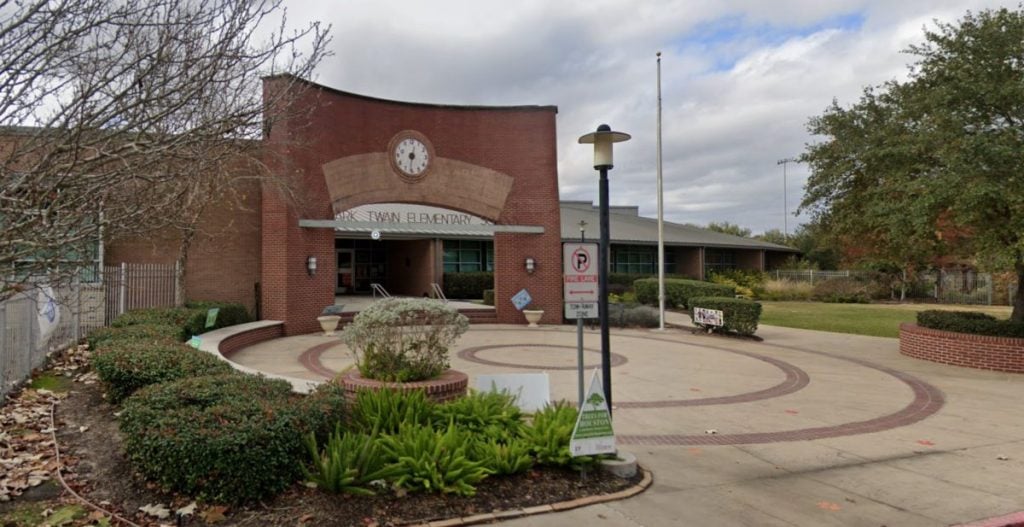
- Twain Elementary School: 10203 Kingspoint Road, Houston TX 77075 – Serves portions of the inner-loop area. Use the HISD school locator at houstonisd.org to confirm which elementary school is assigned to your specific home address, as boundary lines in this area are detailed and address-specific.
For the most current and accurate elementary school assignment for any address in the South Main and Medical Center area, always use the HISD school locator at houstonisd.org. Boundary assignments can change between school years, and the locator tool reflects current designations.
Middle Schools and High Schools Nearby
Middle schools and high schools serving the South Main and Medical Center area neighborhoods are listed below. These campuses serve students in the inner-loop neighborhoods discussed in this guide.
- Pershing Middle School: 3838 Burgoyne Street, Houston TX 77027 – Serves the River Oaks, Kirby Drive, and surrounding inner-loop neighborhoods. Pershing is one of the more academically regarded HISD middle school campuses in the city.
- Lamar High School: 3325 Westheimer Road, Houston TX 77098 – One of the most storied high school campuses in HISD, Lamar serves the River Oaks, Montrose, West University area, and surrounding neighborhoods. The school is known for strong academic programs, fine arts, and athletics.
- Bellaire High School: 5100 Maple Street, Bellaire TX 77401 – Though technically within the City of Bellaire, Bellaire High School is part of HISD and is one of the most diverse and academically accomplished high school campuses in Houston. It serves Bellaire, West University Place, Meyerland, and surrounding area students and consistently produces a high percentage of students who attend selective four-year universities.
Schools in the West University Place and Bellaire Areas
West University Place and Bellaire feed students into some of the highest-performing HISD campuses in the district. Families moving to West U specifically often choose the neighborhood in part because of the school quality, and the combination of West U’s elementary-level HISD campus, Pershing Middle School, and Bellaire High School represents one of the strongest public school pathways available in Houston ISD. Research current enrollment eligibility and boundary assignments to confirm the specific campuses assigned to your address.
Private and Charter Schools
Faith-Based Schools
The inner-loop Houston area surrounding the Medical Center has a strong selection of private faith-based schools serving students from early childhood through high school.
- St. Mark’s Episcopal School: 3816 Bellaire Blvd, Bellaire TX 77401 – A co-educational Episcopal school serving pre-kindergarten through eighth grade. Located in Bellaire, easily accessible from the South Main and Medical Center area.
- St. Agnes Academy: 9000 Bellaire Blvd, Houston TX 77036 – A Catholic all-girls high school serving the Houston area. Part of the Archdiocese of Galveston-Houston school network.
- Strake Jesuit College Preparatory: 8900 Bellaire Blvd, Houston TX 77036 – A Jesuit Catholic all-boys college preparatory school serving grades nine through twelve. Located in the Westheimer/Bellaire area accessible from the Medical Center.
The Archdiocese of Galveston-Houston maintains a complete directory of Catholic schools. Many additional faith-based schools operate within a reasonable drive of the Medical Center area.
College Preparatory Schools
The inner-loop area has several strong independent college preparatory schools serving families who seek rigorous academic preparation outside the public school system.
- The Awty International School: 7455 Awty School Lane, Houston TX 77055 – An IB World School offering a rigorous international curriculum from early childhood through grade 12. Known for serving Houston’s international community including many Medical Center researchers and professionals from other countries.
- St. John’s School: 2401 Claremont Lane, Houston TX 77019 – One of Houston’s most prestigious independent college preparatory schools, serving grades kindergarten through twelve. The school is located in River Oaks and draws students from the surrounding inner-loop neighborhoods.
- The Kinkaid School: 201 Kinkaid School Drive, Houston TX 77024 – A highly regarded independent college preparatory school in the Memorial area serving pre-kindergarten through grade twelve.
Charter School Options
KIPP Houston Public Schools operates college-preparatory charter campuses from kindergarten through twelfth grade across Houston, with a strong track record of college placement for first-generation college students. Visit kipp.org/houston for campus locations and enrollment information. YES Prep Public Schools operates charter campuses for grades six through twelve with a focus on college access. Visit yesprep.org for campus information. Harmony Public Schools operates STEM-focused charter campuses including locations accessible from the inner-loop area. Visit harmonytx.org for information.
Childcare and Preschool
Daycare Centers
The South Main and Medical Center area has a well-developed childcare and early learning infrastructure, in part because the Medical Center employs tens of thousands of workers including parents who need reliable childcare close to work. KinderCare, Bright Horizons, and other national providers operate locations near the Medical Center and in the surrounding neighborhoods. The Texas Medical Center itself has relationships with several childcare providers that serve its employee community. Use the Texas DFPS childcare search at dfps.state.tx.us or care.com to find licensed providers near your home address.
Early Childhood Education Programs
Houston ISD operates Pre-K programs for qualifying children at select campuses in the district. Eligibility is based on income, limited English proficiency, and other qualifying factors. Contact HISD at (713) 892-6000 for Pre-K program information and enrollment procedures. The Texas Medical Center’s institutional community also supports several early childhood programs oriented toward its employee base.
After-School Care Options
Many HISD elementary campuses in the inner-loop area operate before and after school care programs. YMCA of Greater Houston at ymcahouston.org operates after-school programs at select locations. Rice University’s Continuing Education department and Texas Southern University both offer community programs accessible to inner-loop families. Search care.com with your home address for a current directory of after-school providers in your immediate neighborhood.
Colleges and Universities Nearby
Rice University
Rice University at 6100 Main Street, Houston TX 77005, is one of the premier research universities in the United States and is located directly along Main Street approximately 1.5 miles north of the workplace. Rice is a private university with undergraduate and graduate programs across all disciplines, and it is particularly known for engineering, natural sciences, social sciences, architecture, and music. The campus is accessible from 8505 Main Street by METRORail (Hermann Park/Rice University station) or by bicycle. Visit rice.edu or call (713) 348-0000.
University of Houston
The University of Houston is a Tier One public research university located at 4800 Calhoun Road, approximately 4 to 5 miles east of the workplace. UH offers more than 300 degree programs and is particularly strong in engineering, business, education, law, and the arts. Visit uh.edu or call (713) 743-2255.
Texas Southern University
Texas Southern University at 3100 Cleburne Street, Houston TX 77004, is a historically Black university located approximately 3 miles northeast of the workplace. TSU offers bachelor’s, master’s, and doctoral programs with particular strength in law, pharmacy, education, and business. Visit tsu.edu or call (713) 313-7011.
Houston Community College
Houston Community College operates multiple campuses across Houston including the HCC Central campus near the inner loop. HCC offers associate degrees, workforce certificates, and continuing education programs with open enrollment and accessible tuition. Visit hccs.edu or call (713) 718-2000 for campus locations and program information.
Baylor College of Medicine and Medical Center Institutions
The Texas Medical Center is home to several world-class academic medical and research institutions that offer graduate, professional, and continuing education programs. Baylor College of Medicine at 1 Baylor Plaza, Houston TX 77030, is one of the most respected medical schools in the nation. UTHealth Houston, the University of Texas MD Anderson Cancer Center, Texas Children’s Hospital, and Houston Methodist all have educational programs affiliated with their research and clinical operations. For employees seeking advanced education in healthcare or science, the proximity to these institutions is a significant benefit of working at 8505 Main Street. Visit bcm.edu and tmc.edu for institution-specific program information.
Shopping and Essentials
Grocery Stores Near Work
H-E-B
H-E-B is the beloved Texas-based grocery chain that most Houston residents regard as the best grocery option in the city for quality, price, and product selection. An H-E-B store serves the Medical Center and surrounding neighborhoods, providing easy access to groceries for residents along the South Main corridor. H-E-B’s produce, prepared foods, bakery, and private label products are all exceptional by any standard. Visit heb.com to find the store nearest your home or the workplace.
Kroger
Kroger operates locations in the Meyerland, Bellaire, and inner-loop Houston area accessible from the South Main corridor. The Kroger Plus loyalty card provides discounts and digital coupons through the app. Most inner-loop Kroger stores have full-service deli and bakery departments.
Whole Foods Market
Whole Foods Market operates locations in the inner-loop Houston area including stores accessible from the Medical Center and Midtown corridors. The Whole Foods at 701 Waugh Drive in the Buffalo Bayou area and other locations serve Houston’s inner-loop residents who prefer organic and specialty grocery options. Whole Foods is more expensive than H-E-B but carries product ranges not available at other Houston grocery stores.
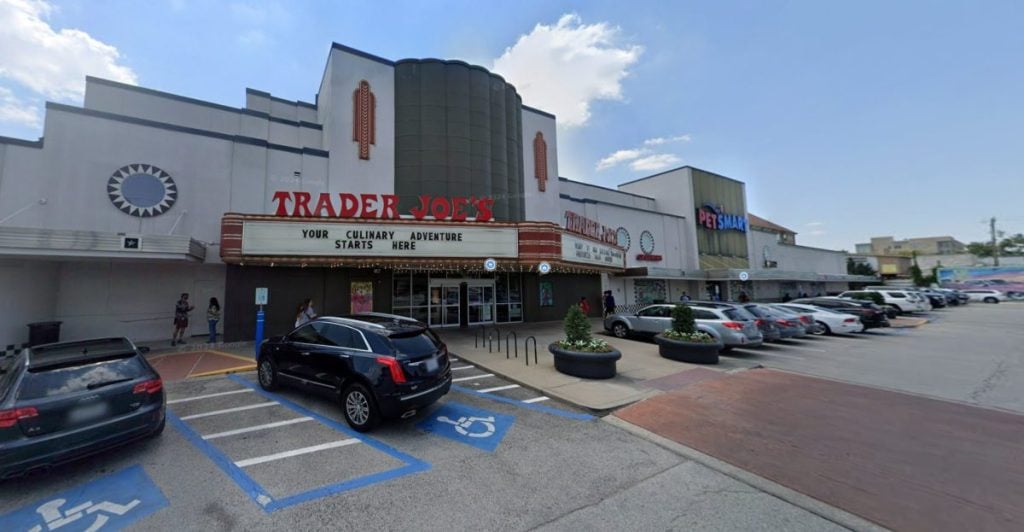
Trader Joe’s
Trader Joe’s operates Houston locations including stores accessible from the inner-loop and Medical Center area. Trader Joe’s is popular for its private-label specialty products, affordable wine selection, and prepared foods. The Houston locations serving the inner-loop and West University areas are accessible by car and by some METRO bus routes.
Walmart
Walmart Supercenter locations are available in the broader Houston area, though less immediately adjacent to the Medical Center neighborhood than they are in suburban parts of the city. The nearest Walmart Supercenters to 8505 Main Street are accessible via Loop 610 and connecting roads. For 24-hour grocery access at the lowest prices, Walmart remains a reliable option for residents who own a vehicle or who are willing to use rideshare for grocery runs.
Shopping Centers
Meyerland Plaza
Meyerland Plaza is a community shopping center located at Loop 610 South and the Beechnut corridor in the Meyerland area, approximately 3 to 4 miles west of the workplace. The plaza includes anchor grocery stores, a variety of retail shops, restaurants, and service businesses that serve the Meyerland, Braeswood, and West University communities. Meyerland Plaza is one of the most convenient everyday shopping destinations for residents in the neighborhoods west and southwest of the Medical Center.
Rice Village
Rice Village is a walkable shopping and dining district centered at the intersection of Rice Blvd and Kirby Drive, approximately 1.5 miles north of the workplace near Rice University. The district includes independent boutiques, national retailers, multiple restaurants, coffee shops, and specialty stores in a pedestrian-friendly streetscape. Rice Village is one of the most pleasant shopping destinations in Houston, and its proximity to the workplace makes it accessible on foot, by bike, or by a very short car trip. Residents of West University Place and the Medical Center area use Rice Village for everyday errands and browsing.
The Galleria
The Galleria is Houston’s premier shopping center at 5085 Westheimer Road, approximately 5 to 7 miles northwest of the workplace. The mall includes an indoor ice rink, more than 400 stores, dozens of restaurants, and multiple hotels. The Galleria area along Westheimer and Post Oak is one of the most commercially dense retail corridors in Houston. For major retail shopping, the Galleria is the anchor destination for residents across the inner loop.
NRG Area Retail Centers
The area around NRG Park just south of the workplace has commercial development serving both the stadium event audience and the surrounding residential communities. This corridor connects to the broader retail along Kirby Drive and Holcombe Boulevard that serves the Medical Center and Braeswood neighborhoods.
Pharmacies
CVS
CVS operates multiple locations in the Medical Center area, Meyerland, and Bellaire corridors accessible from the South Main workplace. Several CVS stores near the Medical Center include MinuteClinic services for minor medical care without an appointment.
Walgreens
Walgreens operates locations throughout the inner-loop area near the Medical Center. Several locations near the Medical Center are open extended hours, providing prescription access for the healthcare workforce and residential community that operates on non-standard schedules.
H-E-B Pharmacy
H-E-B stores in the Medical Center and inner-loop area operate in-store pharmacies providing prescription services at competitive prices. H-E-B Pharmacy is consistently rated among the most trusted pharmacy services in Texas for customer satisfaction and pricing transparency.
Medical Center Pharmacies
The Texas Medical Center campus and surrounding areas have specialty pharmacies operating within or immediately adjacent to hospital and research facilities. These pharmacies serve medical staff, patients, and nearby residents with prescription services and, in some cases, specialty and compounding pharmacy options not available at chain drugstores. If you have complex prescription needs, the Medical Center pharmacy ecosystem is one of the most sophisticated in the country.
Household and Furniture Stores
Target
Target operates locations in the inner-loop Houston area including stores accessible from the Medical Center and South Main corridor. Inner-loop Target stores tend to be smaller than suburban Supercenters but carry the full range of household goods, clothing, electronics, and personal care products.
IKEA
IKEA’s nearest Houston location is at 7810 Katy Freeway (I-10 West), approximately 8 to 10 miles from the workplace. For new residents furnishing an apartment, IKEA provides the most affordable complete home furnishing experience available in the Houston area. Plan for parking and bring your own bags. Visit ikea.com/us for products and store hours.
Home Depot
Home Depot operates locations accessible from the inner-loop area via Loop 610 and connecting roads. The Home Depot serves home improvement, tools, gardening, and maintenance supply needs for residents across the South Main and Medical Center neighborhood.
Lowe’s
Lowe’s provides an additional home improvement option accessible from the South Main area via Loop 610 and I-69 corridors.
Local Furniture Stores
The inner-loop Houston area has several independent furniture and home goods stores that serve the design-conscious residential community around the Medical Center and Midtown. Washington Avenue, Upper Kirby, and the Midtown corridors have specialty home furnishing shops that offer alternatives to national chains. The Houston Design District along the Washington Avenue corridor has trade showrooms and furniture dealers serving both residential and commercial clients, with some retail access for the general public.
Dining
Fast-Food Options Near Urban Bird Hot Chicken
Chick-fil-A
Multiple Chick-fil-A locations serve the Medical Center, Main Street, and inner-loop area near the workplace. Chick-fil-A’s Mobile Order feature allows you to place and pay for your order before arriving, which reduces wait times significantly during the busy lunch periods that the Medical Center workforce generates on weekdays.
Whataburger
Whataburger is a Texas institution that no newcomer to Houston should take long to discover. Founded in Corpus Christi in 1950, Whataburger operates 24-hour locations near the Medical Center and along the major inner-loop corridors. The menu features burgers, chicken sandwiches, a full breakfast served around the clock, and the chain’s distinctive orange-and-white architecture. For newcomers to Texas, Whataburger provides an authentic entry point into the state’s fast-food culture.
McDonald’s
McDonald’s locations near the Medical Center and Main Street corridor serve the area with drive-through and dine-in options. Several 24-hour locations serve the Medical Center workforce at all hours of the day and night.
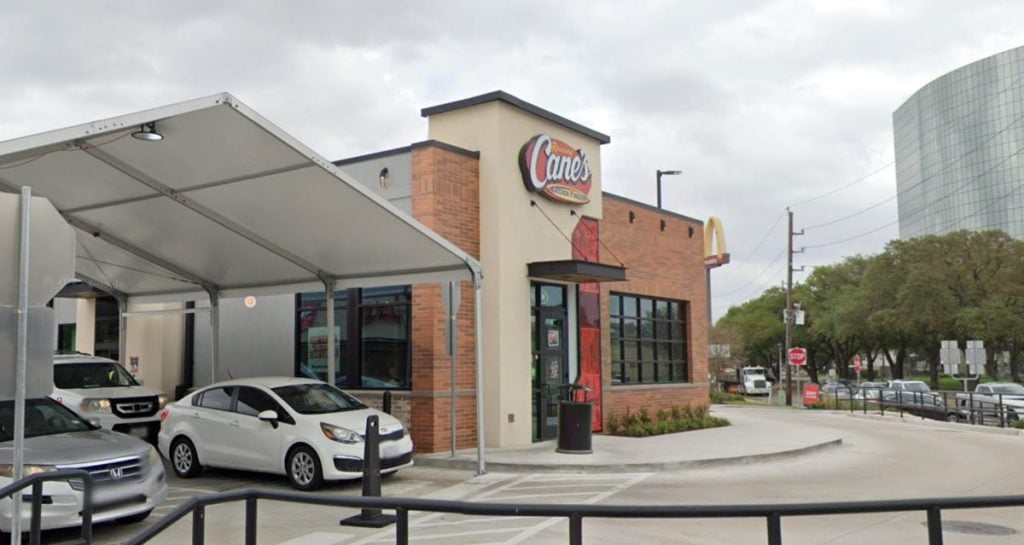
Raising Cane’s
Raising Cane’s has a strong following in Houston, and locations near the Medical Center and inner-loop area serve the medical workforce and surrounding residential communities with their focused chicken fingers menu. The Original Box, with chicken fingers, crinkle-cut fries, coleslaw, toast, and Cane’s sauce, is the signature combination.
Taco Bell
Taco Bell locations near the Medical Center and South Main area provide budget-friendly options convenient for quick meals before or after shifts at the workplace.
Sit-Down Restaurants
Family-Friendly Restaurants
The area around the Medical Center and the South Main corridor has a strong concentration of family-friendly sit-down options along Holcombe Boulevard, Main Street, and the Kirby Drive corridor. Luby’s at the Medical Center has served hospital workers and neighborhood families for generations and remains a Houston cafeteria institution. The Kirby Drive and West University corridors have a diverse range of casual family dining options in an accessible streetscape.
Texas Barbecue Restaurants
Houston has excellent barbecue options accessible from the Medical Center area. Goode Company Barbecue at 5109 Kirby Drive is one of the most beloved Houston BBQ institutions, located approximately 2 miles north of the workplace. It has served the Medical Center community and inner-loop Houston since 1977. The combination of brisket, ribs, sausage, and sides at Goode Company defines the Houston BBQ experience for many longtime residents.
Tex-Mex Dining Options
Tex-Mex is a foundational cuisine in Houston’s food culture, and the neighborhoods near the Medical Center and Main Street have excellent options. The Kirby Drive and Holcombe corridors have established Tex-Mex restaurants serving the Medical Center workforce and surrounding communities. Tex-Mex breakfast, the breakfast taco in particular, is one of the great Houston culinary traditions and is available at small local spots throughout the inner loop.
International Cuisine
The Medical Center area’s international workforce produces demand for and access to an exceptional range of global cuisines within a short distance of the workplace. Indian restaurants along the Hillcroft and Harwin corridors in southwest Houston are approximately 5 to 8 miles away and represent some of the most concentrated South Asian dining in the American South. Vietnamese restaurants in the Bellaire Chinatown area and throughout Southwest Houston are 5 to 10 miles from the workplace. The Midtown and Montrose neighborhoods immediately north of the Medical Center have some of the most adventurous and diverse restaurant collections in Houston.
Coffee Shops and Cafes
Starbucks
Multiple Starbucks locations operate near the Medical Center and along the Main Street corridor, with several drive-through and walk-in locations serving the medical workforce. The Starbucks mobile app is particularly useful near the Medical Center, where lines during shift changes can be long. Mobile ordering allows pickup without waiting in the standard queue.
Local Coffee Houses
The inner-loop area near the Medical Center and the South Main corridor has a vibrant independent coffee shop scene. Black Hole Coffee House and other local cafes serve the Midtown, Museum District, and Medical Center communities with high-quality espresso drinks, locally sourced beans, and a distinctly Houston neighborhood atmosphere that differs from the national chain experience. Exploring the independent coffee shops in Midtown and the Museum District area reveals much about the creative and professional community that has made these neighborhoods among Houston’s most distinctive.
Bakeries and Cafes
Common Bond Cafe and Bakery has multiple Houston inner-loop locations and is known for exceptional croissants, pastries, sandwiches, and coffee in a beautifully designed cafe environment. Common Bond is a Houston success story that exemplifies the quality of food culture available in the inner-loop neighborhoods near the Medical Center. Several other independent bakeries and French-style cafes operate in the Rice Village, Midtown, and Montrose areas within a short drive or transit connection of the workplace.
Coffee Shops Near Rice University and the Medical Center
The Rice University campus and the Main Street corridor between Rice and the Medical Center have a concentration of coffee shops serving students, medical professionals, and residents. Catalina Coffee at 2201 Washington Ave and other independent shops in the area have developed loyal followings for their quality and atmosphere. The combination of Rice University’s academic community and the Medical Center’s research workforce creates a remarkably sophisticated coffee culture for a city not always associated with that attribute.
Houston Dining Scene
Museum District Restaurants
The Museum District along the Main Street and Bissonnet corridors north of Hermann Park has a growing and distinctive restaurant scene. Cullen’s Upscale American Grille and other establishments serve the museum-going public, Rice University community, and Medical Center workers in a walkable, culturally engaged setting. The combination of Hermann Park’s outdoor amenities and the Museum District’s dining options makes this corridor one of the most enjoyable daily life environments in the entire city.
Midtown Dining
Midtown Houston, immediately north of the Medical Center, has one of the most concentrated and diverse dining scenes in the city. The Bagby Street and Main Street corridors through Midtown have blocks of restaurants covering every cuisine category from elevated American to authentic Vietnamese to late-night Tex-Mex. The METRORail Red Line’s multiple Midtown stops make this dining corridor directly accessible from 8505 Main Street without driving. Midtown dining is arguably the best transit-accessible restaurant district in Houston.
Montrose Food Scene
Montrose is where Houston’s most creative and distinctive independent restaurants have concentrated for decades. The Westheimer and Montrose corridors have James Beard-nominated chefs, nationally recognized restaurants, and the kind of neighborhood dining culture that defines the culinary identity of the city. Uchi Houston, Brennan’s of Houston, Hugo’s, and dozens of other acclaimed restaurants cluster in and around Montrose within 10 to 15 minutes of the South Main workplace by car or transit connection. For employees who want to explore Houston’s food culture at its most interesting, Montrose is the destination.
International Cuisine Throughout Houston
Houston’s food culture reflects the extraordinary diversity of its population. Bellaire Boulevard’s Chinatown in southwest Houston, approximately 5 to 8 miles from the workplace, is one of the most significant concentrations of Asian cuisine in the American South, with Vietnamese pho restaurants, Chinese dim sum halls, Korean barbecue, and Hong Kong-style bakeries competing for attention across miles of commercial development. The Medical Center’s international research community ensures that authentic representation of South Asian, Middle Eastern, African, and Latin American cuisines is available within a short drive of the workplace throughout the week.
Entertainment and Recreation
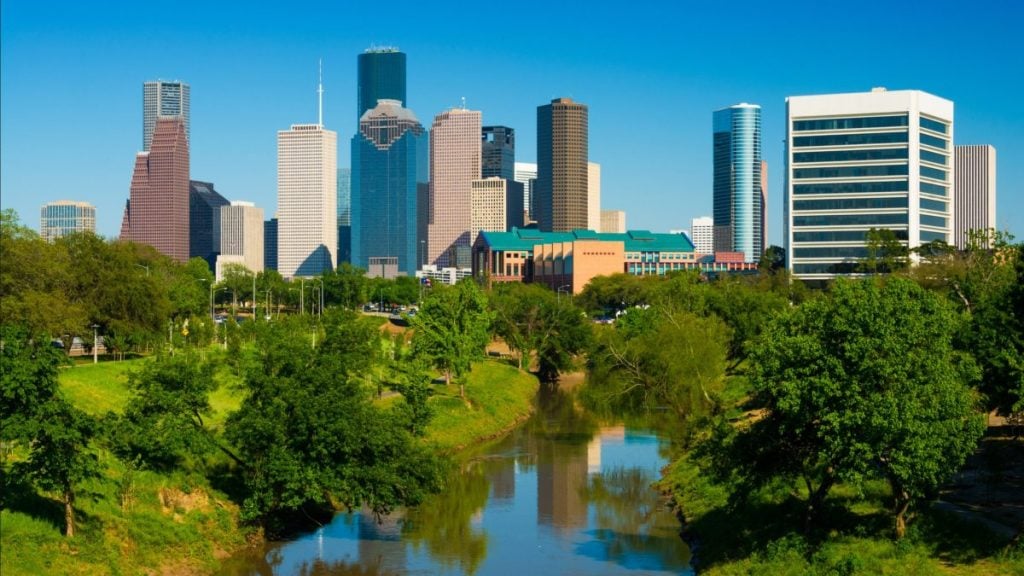
Parks and Outdoor Activities
Hermann Park
Hermann Park is one of the great urban parks in the American South and is one of the most significant advantages of living and working near 8505 Main Street. Located just north of the workplace between the Texas Medical Center and Rice University, the park spans 445 acres along Main Street and contains the Houston Zoo, the Japanese Garden, the Miller Outdoor Theatre, a pedal boat lake, a miniature train, extensive walking and jogging paths, and the Hermann Park Golf Course. The park is a genuine civic treasure that serves residents of the Medical Center area, students from Rice University, Museum District visitors, and families from across the city.
Hermann Park’s Japanese Garden is one of the finest traditional Japanese gardens in the southwestern United States, and the reflecting pool and Centennial Gardens are beautiful in every season. The park’s central location along the METRORail Red Line makes it one of the most accessible major parks in Houston for residents without cars. The Hermann Park station is a short walk from the park’s main entrance. For employees at 8505 Main Street, Hermann Park is accessible on foot, by bike, or by rail and represents a daily quality-of-life asset that is genuinely rare in a city built primarily around automobiles.
Braes Bayou Trail
The Braes Bayou Trail runs along the banks of Brays Bayou through the Braeswood, Meyerland, and South Main neighborhoods, providing miles of paved walking and cycling trail accessible from neighborhoods near the workplace. The trail connects multiple neighborhoods and parks in the southwest Houston area and is a practical route for residents who cycle or jog for recreation or as part of their commute. The trail system along Brays Bayou is one of Houston’s most-used recreational infrastructure assets and serves as the primary linear park corridor for the Medical Center and Braeswood communities.
Following Hurricane Harvey, the City of Houston and Harris County Flood Control District have invested significantly in the bayou system’s flood management infrastructure, and portions of the Brays Bayou Trail have been upgraded as part of these improvements. The trail provides a natural and peaceful counterpoint to the dense urban development of the Medical Center area and is an asset that residents of the surrounding neighborhoods use daily.
Memorial Park
Memorial Park is Houston’s largest urban park, covering approximately 1,466 acres of forested land along Memorial Drive approximately 5 to 7 miles northwest of the workplace. The park features extensive running trails, mountain bike trails, a recently expanded and renovated trail system with the Bayou Wilds connection, tennis courts, a swimming pool, a golf course, and a fitness center. Memorial Park is the primary destination for serious runners, cyclists, and fitness enthusiasts in the inner-loop Houston community. Access from the South Main area typically takes 15 to 20 minutes by car or by combining METRORail with a bus or rideshare connection.
Buffalo Bayou Park
Buffalo Bayou Park is a beautifully designed urban linear park along the bayou west of downtown Houston, accessible from the Medical Center area in approximately 15 to 20 minutes by car or via METRORail and connecting bus service. The park features kayaking and canoeing on the bayou, the Houston Arboretum and Nature Center, extensive paved trail systems, public art installations, and the dramatic Texas skyline views from the hilltops along the bayou’s south bank. Buffalo Bayou Park represents one of the most successful urban park investments in recent Houston history and is a destination that residents of the inner-loop area visit regularly.
Attractions
Houston Museum District
The Houston Museum District is directly adjacent to the workplace at 8505 Main Street, centered along Main Street and Bissonnet Boulevard between Hermann Park and Midtown. Nineteen museums are within easy walking distance of each other in this district, making it one of the most concentrated cultural assets in any American city. The Houston Museum of Natural Science, the Museum of Fine Arts Houston, the Contemporary Arts Museum Houston, the Health Museum, the Holocaust Museum Houston, the Houston Museum of African American Culture, and many others are all within the district.
Many Museum District institutions offer free admission on select days or evenings, and several have programs oriented toward the Medical Center community. Employees and residents of the South Main corridor can walk to the Museum District in 15 to 20 minutes, cycle in 5 to 10 minutes, or take METRORail one or two stops north. The Museum District is one of the defining reasons why the South Main and Medical Center area offers a quality of cultural daily life that few American cities can match at any income level.
Houston Zoo
The Houston Zoo is located within Hermann Park at 6200 Hermann Park Drive, Houston TX 77030, making it among the most accessible major zoos in the country from the perspective of transit and walkability. The zoo is home to more than 6,000 animals and is one of the most visited attractions in Texas. Annual memberships are strong value for residents of the Medical Center area who can visit multiple times per year without driving. The zoo’s proximity to the METRORail Hermann Park station makes it accessible from neighborhoods across the Red Line corridor. Visit houstonzoo.org for tickets and information.
NRG Stadium
NRG Stadium, home of the Houston Texans NFL team, is located approximately 1 mile south of the workplace at 1 NRG Pkwy, Houston TX 77054. The Reliant Park METRORail station provides direct rail access to NRG Stadium from the workplace and from all points along the Red Line corridor. NRG Park also includes NRG Arena and the vast NRG Center exhibition space, which hosts numerous events throughout the year. The Houston Livestock Show and Rodeo, one of the largest annual events in Texas and one of the largest rodeos in the world, is held at NRG Park each February and March, drawing enormous crowds to the area immediately around the workplace for several weeks.
Miller Outdoor Theatre
Miller Outdoor Theatre in Hermann Park offers free outdoor performances year-round, including Houston Symphony concerts, Houston Ballet performances, theatrical productions, and a wide range of cultural programming that reflects the diversity of the Houston community. The theatre presents over 150 performances annually, all completely free, making it one of the most democratic cultural institutions in the city. The venue’s hilltop setting in Hermann Park with the Houston skyline visible in the distance creates an atmosphere that is genuinely memorable. For employees and residents near 8505 Main Street, Miller Outdoor Theatre is within walking or cycling distance and represents a free cultural resource that few cities offer at this quality level. Visit milleroutdoortheatre.com for the current performance schedule.
Family-Friendly Activities
Children’s Museum Houston
The Children’s Museum Houston at 1500 Binz Street, Houston TX 77004, is located in the Museum District directly north of the workplace, accessible by walking, cycling, or a single METRORail stop. The museum offers interactive exhibits designed for children of all ages covering science, technology, culture, and creativity. Free Thursday evening admission for Harris County residents makes the Children’s Museum one of the most accessible family cultural destinations in the city. Visit cmhouston.org for hours, admission, and program information.
Houston Museum of Natural Science
The Houston Museum of Natural Science at 5555 Hermann Park Drive, Houston TX 77030, is one of the most visited museums in the United States and is located in the Museum District adjacent to Hermann Park, within easy walking or cycling distance of the workplace. The museum’s permanent exhibits cover paleontology, Texas wildlife, space science, energy, and gems and minerals, with rotating special exhibitions that bring major national and international shows to Houston. The Wortham Giant Screen Theatre, the Burke Baker Planetarium, and the Cockrell Butterfly Center are all within the museum complex. Visit hmns.org for tickets and current programming.
Discovery Green
Discovery Green at 1500 McKinney Street in downtown Houston is a 12-acre urban park approximately 3 to 4 miles north of the workplace, accessible by METRORail to a downtown station. The park hosts free events, concerts, yoga classes, film screenings, and seasonal community gatherings year-round. A playground, bocce ball courts, water features, and an outdoor stage make it a destination for all ages. Visit discoverygreen.com for a current event calendar.
Local Recreation Centers
The City of Houston Parks and Recreation Department operates recreation centers serving the inner-loop neighborhoods near the Medical Center. The YMCA of Greater Houston at ymcahouston.org operates facilities in the inner-loop area with fitness equipment, pools, group exercise classes, and youth programming. Hermann Park’s recreation facilities, including the golf course and nearby athletic courts, are among the most convenient recreation options for residents of the South Main and Medical Center neighborhoods.
Nearby Attractions
Downtown Houston
Downtown Houston is approximately 3 to 4 miles north of the workplace, directly accessible by METRORail Red Line from the South Main corridor in approximately 10 to 15 minutes. Downtown attractions include Minute Maid Park (Houston Astros), Toyota Center (Houston Rockets), the Theater District, Market Square Park, and the growing collection of restaurants, bars, and entertainment venues that are making downtown increasingly vibrant as a residential and entertainment destination. The ability to commute to downtown attractions by rail from 8505 Main Street is a genuine convenience that makes the entire downtown cultural calendar accessible without traffic or parking stress.
The Galleria
The Galleria at 5085 Westheimer Road is approximately 5 to 7 miles northwest of the workplace, accessible by car via Kirby Drive and Westheimer or by combining METRORail with bus service. The Galleria includes an indoor ice rink, more than 400 stores, dozens of restaurants, and multiple hotels. The surrounding Galleria area along Post Oak Boulevard is one of the most concentrated upscale retail and dining corridors in Houston.
Space Center Houston
Space Center Houston at 1601 NASA Pkwy, Webster TX 77598, is located approximately 25 to 30 miles southeast of the workplace via I-45 South. The center is the official visitor facility for NASA’s Johnson Space Center and offers exhibits, simulators, IMAX films, and tram tours of the JSC campus. From 8505 Main Street, the drive via I-610 South and I-45 South takes approximately 35 to 45 minutes under normal conditions.
Professional Sports Venues
- Houston Astros (MLB): Minute Maid Park, 501 Crawford Street, downtown Houston. Accessible by METRORail from the South Main corridor. Regular season runs April through October.
- Houston Rockets (NBA): Toyota Center, 1510 Polk Street, downtown Houston. Accessible by METRORail. Regular season runs October through April.
- Houston Texans (NFL): NRG Stadium, 1 NRG Pkwy. Directly accessible by METRORail Red Line from the workplace. Regular season runs September through January.
- Houston Dynamo (MLS Soccer): Shell Energy Stadium, 2200 Texas Avenue, downtown Houston. Accessible by METRORail. Season runs February through October.
Churches and Places of Worship
Churches Near Main Street
Catholic Parishes
The South Main and Medical Center area has a strong Catholic community served by several established parishes. St. Anne Catholic Church and other parishes serve the Braeswood, West University, and Medical Center communities. The Medical Center’s international workforce includes significant Catholic populations from across Latin America, the Philippines, and other regions with strong Catholic traditions. The Archdiocese of Galveston-Houston maintains a complete parish directory where you can find the nearest parish to your home address along with Mass schedules and program information.
Baptist Churches
Baptist churches serve the South Main and inner-loop area from several established congregations. Second Baptist Church at 6400 Woodway Drive is one of Houston’s largest congregations and serves members from across the inner-loop and west Houston area. Wheeler Avenue Baptist Church in the Museum District area is a historically significant African American congregation with deep roots in Houston’s civil rights history. Multiple smaller Baptist congregations also serve the neighborhood communities around the Medical Center.
Methodist Churches
United Methodist congregations serve the South Main and Medical Center area from several inner-loop campuses. St. Luke’s United Methodist Church at 3471 Westheimer Road is one of Houston’s largest and most active Methodist congregations, known for its progressive social engagement and strong community programs. The Texas Annual Conference of the United Methodist Church maintains a church locator for finding Methodist congregations near your address.
Non-Denominational Churches
Several large non-denominational and community churches serve the inner-loop Houston area near the Medical Center. Lakewood Church at 3700 Southwest Freeway is approximately 4 to 5 miles from the workplace and is the largest congregation in the United States, pastored by Joel Osteen, with services also available at lakewood.cc. Houston’s inner-loop area has multiple non-denominational churches of various sizes that serve the medical professional, student, and diverse residential communities in the neighborhood.
Other Faith Communities
Islamic Centers
Houston has one of the most significant Muslim populations of any American city, and the Medical Center area reflects this in the prayer rooms and worship spaces maintained within the TMC campus itself, as well as in the mosques and Islamic centers serving the surrounding residential communities. The Islamic Society of Greater Houston at ismaintains a comprehensive directory of Houston-area mosques and Islamic centers, along with community programs and educational resources. The Medical Center’s international research workforce includes substantial Muslim communities from South Asia, the Arab world, and West Africa.
Jewish Congregations
The Meyerland and Bellaire area southwest of the Medical Center has one of the most significant Jewish communities in Houston, with multiple synagogues representing Reform, Conservative, Orthodox, and Reconstructionist traditions within a few miles of the workplace. Congregation Beth Israel at 5600 North Braeswood Blvd, Beth Yeshurun at 4525 Beechnut Street, and other congregations serve the Medical Center area Jewish community. The Jewish Federation of Greater Houston maintains a complete directory of Houston-area Jewish organizations, synagogues, and community resources.
Hindu Temples
Houston’s Hindu community supports several temples in the city. The BAPS Swaminarayan Mandir in Stafford and the Sri Meenakshi Temple in Pearland are among the most significant Hindu temples in the region, both accessible from the Medical Center area via Highway 59 and Highway 288 respectively. The Medical Center’s large South Asian professional community supports active Hindu cultural and religious organizations. A search for Hindu temples near the Medical Center area will return current options and contact information.
Buddhist Temples
The inner-loop Houston area has Buddhist temples and practice centers serving multiple traditions. The Medical Center’s diverse international workforce includes practitioners from Theravada, Mahayana, and Tibetan Buddhist traditions. The Jade Buddha Temple and other Vietnamese Buddhist temples in the Houston area serve practitioners from Southeast Asian communities. A search for Buddhist centers near the Medical Center or Houston 77025 area will return current options.
Community Programs
Youth Ministries
Youth ministries at the major congregations in the Medical Center and inner-loop area offer active programming for children, teenagers, and young adults. Several churches in the West University, Bellaire, and Braeswood communities have particularly well-developed youth programs that serve as community connectors for families new to the neighborhood. For families with children looking to build community quickly, faith community youth programs are among the most effective entry points available.
Volunteer Opportunities
Faith communities throughout the Medical Center and inner-loop area operate food pantries, clothing drives, tutoring programs, and outreach initiatives that welcome volunteers at all participation levels. The Medical Center community itself is deeply engaged in humanitarian service through various institutional chaplaincy programs and faith community partnerships. Volunteer Houston at volunteerhouston.org provides a broader directory of volunteer opportunities across the city.
Family Support Groups
GriefShare, Celebrate Recovery, DivorceCare, and similar peer support programs operate at multiple congregations in the Medical Center and inner-loop area. The Medical Center’s community health resources also include support groups for various medical conditions and life circumstances that reflect the healthcare orientation of the neighborhood. Search griefshare.org and celebraterecovery.com for meeting times nearest your address.
Community Outreach Programs
The inner-loop faith communities near the Medical Center collectively operate food distributions, housing assistance programs, English language classes, and community service programs. The Medical Center’s institutional chaplaincy and pastoral care programs represent one of the most sophisticated healthcare-oriented faith community infrastructures in the world. Interfaith Ministries for Greater Houston at imgh.org coordinates community service programs across faith traditions.
Public Transportation and Getting Around

METRO Transit System
Houston’s Metropolitan Transit Authority, known as METRO, operates the city’s public transportation network including bus routes, light rail, and Park and Ride commuter services. For employees at 8505 Main Street, METRO is a more practical daily transportation option than at any other Houston workplace location in this guide series, primarily because the METRORail Red Line runs directly along Main Street past the workplace and provides genuine rail connections to a broad range of residential neighborhoods. The complete METRO system information including routes, schedules, fares, and trip planning tools is available at ridemetro.org. Customer service is available at (713) 635-4000.
METRORail Red Line Service
The METRORail Red Line is Houston’s primary light rail line and one of the defining transportation features of the South Main and Medical Center corridor. The Red Line runs from the Northline Transit Center in north Houston through downtown Houston, Midtown, the Museum District, the Texas Medical Center, and on to the Reliant Park station near NRG Stadium. The line operates along Main Street through its entire inner-loop segment, meaning the rail runs directly past or extremely close to the workplace at 8505 Main Street.
The Red Line operates from approximately 5 AM to midnight Monday through Thursday, 5 AM to 2 AM on Fridays and Saturdays, and 6 AM to midnight on Sundays. Trains run every 6 to 12 minutes during peak weekday hours and every 12 to 18 minutes during off-peak and weekend hours. The one-way rail fare is $1.25 with a METRO Q card. A METRO Q card also provides the 3-hour transfer window that allows bus connections within the same fare payment. Purchase and manage your Q card at ridemetro.org or at select H-E-B and Walmart locations.
Local Bus Routes Serving the Area
In addition to the METRORail Red Line, multiple METRO bus routes serve the South Main and Medical Center area. Routes along Holcombe Boulevard, Kirby Drive, Fannin Street, Greenbriar, and connecting corridors connect the Medical Center to Meyerland, Bellaire, Midtown, and other neighborhoods. The METRO Trip Planner at ridemetro.org allows you to plan a door-to-door transit route from any address in the city to 8505 Main Street using current schedules and route information.
Transit Connections Throughout Houston
The Red Line’s connections to downtown Houston provide access to the entire METRO bus network through the downtown transfer facility at Main Street Square. From downtown, METRO bus routes fan out to virtually every neighborhood in the city. The Red Line’s Park and Ride connections allow residents from as far away as the northwest, northeast, and southeast Houston suburbs to commute to the Medical Center area by transit if their schedule and route align. For employees who prefer transit over driving, the 8505 Main Street workplace is the most transit-friendly of any Urban Bird Houston location.
METRORail Access
Nearby Rail Stations
The METRORail Red Line stations most relevant to the 8505 Main Street workplace are the Smith Lands station and the Reliant Park station. Smith Lands station is located at approximately 8320 Main Street and is the closest Red Line station to the workplace. The station puts employees and customers within a short walk of the building. Reliant Park station is slightly south near NRG Stadium. Both stations are directly along Main Street and provide seamless access to the rail network connecting downtown, Midtown, the Museum District, and the Medical Center area.
Connections to Downtown, Midtown, and the Medical Center
From the Smith Lands station near the workplace, northbound Red Line trains reach the Medical Center stations in one to two stops, the Museum District and Hermann Park stations in two to three stops, and Midtown stations in four to five stops. Downtown Houston is reachable in approximately 15 to 20 minutes by rail from the workplace area. Southbound trains from downtown reach the workplace area in approximately the same time. The Red Line provides a reliable, traffic-independent commute option that serves the Main Street corridor throughout its operating hours.
Benefits of Living Near Rail Service
The practical benefits of living near the METRORail Red Line for employees at 8505 Main Street are substantial and distinct from any other Houston Urban Bird location. Residents along the Red Line can commute to work without a car, eliminating the cost of car ownership, insurance, fuel, maintenance, and parking. Houston parking near the Medical Center is expensive, with many facilities charging $15 to $30 per day. An employee who parks near the Medical Center five days per week spends $3,000 to $6,000 annually on parking alone. The METRO Q card monthly unlimited pass makes this entire cost unnecessary for residents along the Red Line.
Beyond the financial benefits, living near transit in an area with genuinely good walkability and the amenities of the Medical Center and Museum District means that many daily errands, entertainment choices, and work shifts are achievable without the stress of Houston’s highway traffic. This quality-of-life advantage is one of the most meaningful differentiators between the South Main and Medical Center location and the suburban Houston locations in this series of guides.
Driving in Houston
While the 8505 Main Street workplace is genuinely transit-accessible, many employees and residents in the broader area do own vehicles and drive for daily transportation. Understanding the highway system near the Medical Center is important for residents who drive.
Access to Loop 610
Loop 610 (the Inner Loop) is the primary circular highway surrounding central Houston and is one of the most important roads for residents of the inner-loop neighborhoods near the Medical Center. Loop 610 runs east-west along the southern boundary of the West University Place and Braeswood area just a few miles south of the workplace, connecting to I-45 to the southeast and Highway 288 to the south. Loop 610 also connects north and west to the Galleria area, Rice Military, Memorial Park, and I-10. For employees who live in Meyerland, Willow Meadows, or Bellaire, Loop 610 is a primary element of their driving commute to the Medical Center corridor.
Access to Highway 90 and Interstate 69
Highway 90 (South Main becomes Alt Highway 90 south of the Medical Center area) and Interstate 69 (US-59) are the primary radial highways serving the southwest Houston residential corridor. US-59 connects downtown Houston through Midtown and the West University area toward Sugar Land and Fort Bend County to the southwest. I-69 is particularly relevant for residents of the Bellaire and Sharpstown areas who commute toward the Medical Center. Highway 288 runs south from downtown Houston through the Medical Center area toward Pearland and is the primary route for employees or residents commuting from Pearland to the workplace.
Traffic Considerations During Peak Hours
The Texas Medical Center is one of the largest single employment destinations in Houston, and the volume of workers, patients, visitors, delivery vehicles, and students converging on the Medical Center campus creates significant traffic congestion during morning shift changes (around 6:30 to 8 AM), midday shift transitions (around 11:30 AM to 1 PM), and afternoon/evening shift changes (around 3 to 7 PM). Main Street and the surrounding corridors of Holcombe, Kirby, Greenbriar, and Fannin all experience elevated congestion during these periods. Employees who drive to work at 8505 Main Street should account for Medical Center traffic patterns when planning departure times. Employees who commute by METRORail avoid this traffic entirely.
Other Transportation Options
Uber and Lyft
Both Uber and Lyft maintain strong coverage throughout the Medical Center and inner-loop area. Wait times for standard service in the Medical Center and South Main corridor are typically 3 to 8 minutes. Rideshare is most useful for employees who primarily commute by rail but occasionally need a vehicle for errands, for reaching destinations not well-served by transit, or for late-night transportation after the METRORail service window closes.
Bike-Sharing Programs
Houston BCycle operates a bike-sharing system with docking stations throughout the inner-loop area, including multiple stations near the Medical Center, Hermann Park, the Museum District, Midtown, and the South Main corridor. BCycle provides an excellent option for short-distance trips within the Medical Center area, connections from a nearby METRORail station to a final destination, and recreational cycling along the Braes Bayou Trail and in Hermann Park. Visit houston.bcycle.com for station locations, membership options, and pricing. Monthly and annual memberships offer significant savings over per-trip rates for regular users.
Walking and Biking Trails
The South Main and Medical Center area is the most walkable and bikeable workplace location in this series of Houston guides. Hermann Park, the Braes Bayou Trail, and the street network connecting the Medical Center to Rice University, the Museum District, and the Midtown area all provide practical pedestrian and cycling infrastructure. The Braes Bayou Trail extends for miles through the southwest Houston area and provides a car-free corridor for cycling commuters living in the Braeswood, Meyerland, and Willow Meadows neighborhoods. The Houston BCycle bike-sharing system complements private cycling for residents who prefer not to own a bike or who need a one-way trip option.
How to Get to Urban Bird Hot Chicken from Different Neighborhoods
From the Texas Medical Center
The Texas Medical Center campus borders the workplace at 8505 Main Street directly to the north. Employees and residents within the TMC campus have multiple access options including walking via Main Street, cycling, taking a short METRORail ride, or using the TMC internal shuttle system. The walk from the core of the Medical Center campus to 8505 Main Street takes approximately 10 to 20 minutes depending on the specific starting point. Cycling takes 3 to 7 minutes. The Smith Lands and Reliant Park METRORail stations provide rail access from TMC-adjacent residential buildings.
From Midtown
From Midtown Houston, the METRORail Red Line provides the fastest and most convenient commute to 8505 Main Street. Board a southbound Red Line train at any Midtown station (McGowen, Wheeler, Ensemble/HCC, or Bell) and ride south toward Reliant Park. The trip from Midtown’s southern stations to the Smith Lands stop near the workplace takes approximately 10 to 15 minutes by rail. Driving from Midtown via Main Street takes a similar amount of time under normal conditions but is subject to Medical Center-related traffic congestion.
From Downtown Houston
From downtown Houston, the METRORail Red Line provides direct rail service to the workplace area. Board a southbound Red Line train at any downtown station (Main Street Square, Preston, Central Station, Bell, or others) and ride south to Smith Lands or Reliant Park near the workplace. The trip from the core of downtown to the workplace takes approximately 15 to 20 minutes by rail, traffic-free, with trains running every 6 to 12 minutes during peak weekday hours. Driving from downtown via Main Street is also feasible in 15 to 25 minutes under normal conditions.
From Bellaire
From Bellaire, the most direct driving route to 8505 Main Street uses South Rice Avenue or Bellaire Boulevard east to Main Street, then north on Main Street to the workplace. Alternatively, traveling Fournace Place or connecting local roads to the Medical Center from Bellaire’s eastern neighborhoods provides a short and direct commute. Drive times from most Bellaire addresses are 15 to 25 minutes under normal conditions. METRO bus routes along Bellaire Boulevard and Holcombe connect Bellaire to the Medical Center area. Employees can also drive to a METRO Park and Ride facility along US-59 or take local buses connecting to Main Street.
From Meyerland
From Meyerland, the most direct driving route to 8505 Main Street uses Braeswood Boulevard east to Main Street, or Loop 610 north to Main Street south. Both routes take approximately 15 to 25 minutes under normal traffic conditions. METRO bus service along Braeswood Boulevard and connecting corridors provides transit access from Meyerland to the Main Street corridor. Employees from Meyerland who prefer transit can connect to Main Street via bus routes along the Holcombe and Greenbriar corridors and board the METRORail for the final segment.
Public Transportation Tips
Understanding METRO Schedules
The METRORail Red Line operates on a published schedule at ridemetro.org with real-time arrival information available through the METRO app. Rail service runs approximately every 6 to 12 minutes during peak weekday hours, every 12 to 18 minutes during off-peak weekday hours, and every 18 to 20 minutes on weekends. Planning your rail commute around the published frequency makes the transit experience predictable and stress-free. The METRO app displays real-time train locations so you can time your walk to the station.
Using the METRO Q Mobile Ticketing App
The METRO Q Mobile app allows you to purchase and display transit fare on your smartphone without needing a physical Q card. The app works for both rail and bus fare and is the most convenient option for occasional riders who do not want to maintain a loaded Q card. For daily commuters, the physical METRO Q card with auto-reload is slightly faster at fare gates. Download the METRO Q Mobile app from the App Store or Google Play and register a payment method before your first commute.
Planning Transfers Between Rail and Bus Routes
The 3-hour transfer window included with a Q card fare allows you to board connecting buses within three hours of your initial tap without paying an additional fare. If your commute from Meyerland or Bellaire requires a bus connection to the Red Line, the transfer is included in the initial fare. Plan your route at ridemetro.org’s trip planner, which automatically calculates optimal transfer timing and identifies the transfer locations for your specific origin and destination.
Allowing Extra Time During Peak Hours
Peak hours for the METRORail Red Line and METRO bus routes serving the Medical Center area are heavily influenced by the Medical Center’s shift change schedule. The 6:30 to 8 AM and 3:30 to 6 PM windows see the highest ridership, and trains during these periods can be full, particularly at Medical Center-area stations. Allowing an extra 10 to 15 minutes during peak windows and boarding early ensures you get a seat and arrive on time for your shift at 8505 Main Street.
Urban Bird Hot Chicken
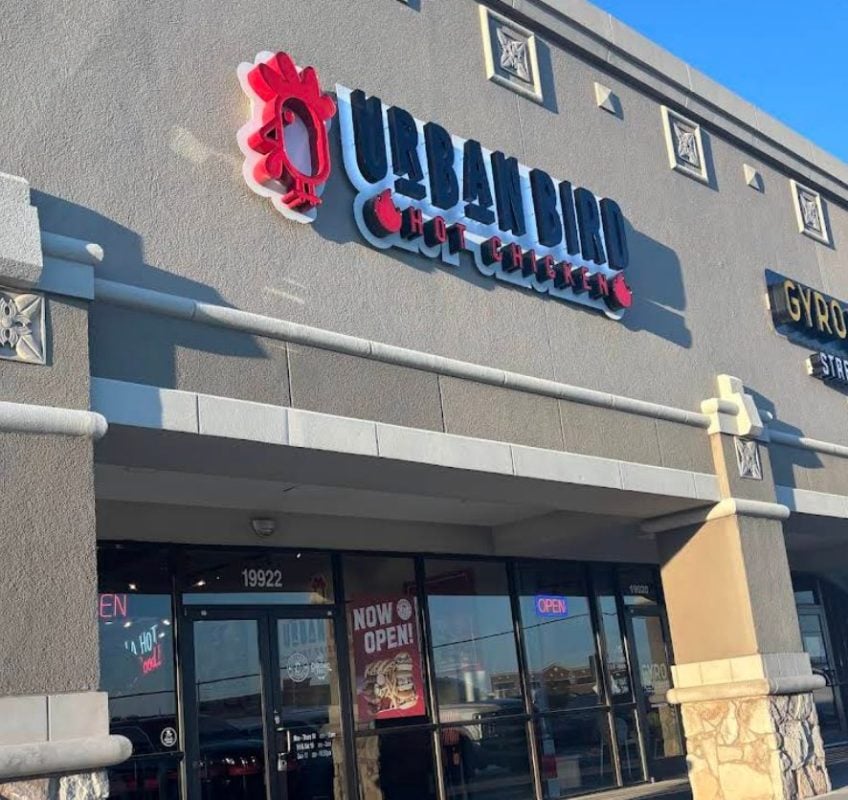
8505 Main Street, Suite 150, Houston TX 77025
Description of the Location
Located Along South Main Street Near the Texas Medical Center Area
Urban Bird Hot Chicken at 8505 Main Street, Suite 150, occupies a position in the 77025 zip code along South Main Street, one of Houston’s most historically significant and transit-connected corridors. The address sits south of the Texas Medical Center campus in an area where the dense institutional development of the Medical Center transitions into the residential and commercial character of the Braeswood, West University, and South Main neighborhoods. Main Street at this point is an active commercial corridor served by the METRORail Red Line, carrying both the Medical Center workforce to its north and the residents of Braeswood and the South Main neighborhoods to its south.
The 77025 zip code covers one of the most desirable and convenient residential and commercial areas in Houston. The combination of Medical Center adjacency, METRORail access, Hermann Park proximity, and the walkable character of the immediate area makes 8505 Main Street a workplace location with qualities genuinely uncommon in a city built primarily around automobile transportation.
Convenient Access to Major Roads and Public Transportation
The workplace at 8505 Main Street benefits from exceptional multi-modal access. The METRORail Red Line’s Smith Lands station is within walking distance, providing rail connections to downtown Houston, Midtown, the Museum District, and the Medical Center. Vehicular access from Loop 610 via the south is direct through Kirby Drive and Main Street. Highway 288 is accessible via the South Loop and provides connections toward Pearland and southwest Houston. Main Street itself connects directly to downtown Houston to the north without requiring highway driving for residents who commute along this corridor.
Surrounded by Residential Neighborhoods, Healthcare Facilities, and Retail Businesses
The immediate surroundings of 8505 Main Street include some of the most sophisticated commercial and healthcare infrastructure in Houston. The Texas Medical Center campus, the world’s largest medical complex, is to the immediate north. Braeswood Place residential neighborhoods are to the west and southwest. NRG Stadium is to the south. Along Main Street and the Kirby Drive and Holcombe corridors, grocery stores, pharmacies, restaurants, banks, and retail businesses serve the Medical Center workforce and the surrounding residential communities throughout the day and evening.
Nearby Services
Grocery Stores
H-E-B and Kroger locations are accessible within a short drive of 8505 Main Street along Main Street and the Holcombe and Kirby corridors. The concentration of grocery options in the Medical Center area reflects the large workforce of employees, students, and patients who need convenient access to food and household supplies throughout the week.
Gas Stations
Multiple gas stations operate along Main Street, Kirby Drive, and the Loop 610 area near the workplace. Employees who drive to work will find fuel options convenient along their commute routes. GasBuddy.com shows current lowest gas prices near any address for finding the best fuel value on a specific route.
Banks and ATMs
Chase, Wells Fargo, Bank of America, and other major banks operate branches along the Medical Center and Main Street corridor. Most grocery stores in the area also have ATM access. The Medical Center campus itself has banking facilities serving its large employee and student population.
Healthcare Facilities
The Texas Medical Center directly north of the workplace contains some of the most sophisticated healthcare in the world, including Memorial Hermann Texas Medical Center, Houston Methodist Hospital, MD Anderson Cancer Center, Texas Children’s Hospital, and dozens of other institutions. For employees who need routine medical care, the Medical Center’s clinic and urgent care infrastructure provides access to world-class medicine for everyday as well as complex health needs.
Shopping Centers
Rice Village, Meyerland Plaza, and the commercial developments along Kirby Drive and Holcombe provide convenient shopping for daily and weekly needs. The South Main corridor has retail centers serving the residential communities in the 77025 area. For broader retail shopping, the Galleria is accessible via Kirby Drive and Westheimer in approximately 15 to 20 minutes.
Parking and Accessibility
On-Site Parking Availability
On-site parking is available at the commercial property at 8505 Main Street, Suite 150. Parking near the Medical Center and the South Main corridor is more limited and more expensive than in the suburban Houston locations, reflecting the urban density and high demand of this area. Employees who drive should confirm parking availability at the specific building before relying on it. The METRORail Red Line provides an attractive alternative to parking entirely, and employees who commute by rail eliminate the parking cost and stress associated with the Medical Center traffic zone.
Access from Main Street
Access to 8505 Main Street is via South Main Street directly, with the property accessible from both northbound and southbound directions. The METRORail Red Line runs along Main Street, and the Smith Lands station near the property provides rail access from the street level. For drivers, Main Street connects directly to the South Loop (Loop 610) to the south and to the Medical Center and downtown to the north without requiring highway ramp navigation.
Nearby Public Transit Options
The Smith Lands METRORail station near the workplace provides direct rail access on the Red Line. METRO bus routes along Holcombe, Kirby Drive, and connecting corridors provide additional transit access from the broader neighborhood. The Houston BCycle bike-sharing system operates stations in the Medical Center area that provide an additional first-mile and last-mile connection option between the workplace and transit stations.
Traffic Patterns
Morning Commuter Traffic
Morning commuter traffic along Main Street and the Medical Center corridor is heavily influenced by the TMC’s shift change schedule. The period from approximately 6:30 to 8:30 AM sees the highest volume of Medical Center-related traffic as day shift workers arrive. Main Street, Holcombe, and Kirby Drive all experience significant congestion during this window. Employees driving to 8505 Main Street during morning rush should allow 15 to 20 additional minutes beyond normal drive time during this period. Employees commuting by METRORail avoid this traffic entirely.
Lunch and Dinner Rush Periods
Lunch hour from approximately 11:30 AM to 1:30 PM is one of the busiest periods on Main Street and in the Medical Center corridor as the large medical workforce disperses to nearby restaurants. Dinner traffic picks up from approximately 5 to 8 PM along the Kirby and Main Street restaurant corridors. Restaurant parking and street access can be congested during these windows near the South Main commercial areas.
Medical Center-Related Traffic Throughout the Day
The Texas Medical Center operates 24 hours a day, and the traffic patterns near 8505 Main Street reflect this. Unlike most employment destinations that have two clear traffic peaks, the Medical Center generates a third peak around midday related to shift overlaps and the massive volume of patient and visitor traffic that flows to the campus continuously. Ambulances, medical transport vehicles, delivery trucks, and patient vehicles are part of the daily traffic environment near the Medical Center, and the road infrastructure around the campus is calibrated for this volume. Employees who arrive and depart the workplace at times other than the primary morning and evening peaks will encounter Medical Center-related traffic regardless of the time of day.
Tips for Employees
Consider Public Transportation to Avoid Traffic
The single most valuable tip for employees at 8505 Main Street is to use the METRORail Red Line if you live along the rail corridor. No other Urban Bird Houston location in this series offers the same practical transit option for employees, and the combination of traffic elimination, parking cost avoidance, and the walkability of the Medical Center area make transit-based commuting genuinely competitive with or superior to driving for most rail-accessible addresses.
Plan Around Medical Center Rush Periods
If you drive to work at 8505 Main Street, understanding the Medical Center’s traffic rhythm helps you plan departure times more effectively. Leaving before 6:30 AM or after 9 AM for morning shifts and before 3:30 PM or after 7 PM for departures avoids the peak Medical Center congestion windows. Waze and Google Maps provide real-time Medical Center traffic updates and suggest alternate routing via Kirby Drive, Greenbriar, or Fannin Street when Main Street is heavily congested.
Explore Nearby Housing Options to Reduce Commute Times
For employees not currently living near the South Main corridor, evaluating whether a move to a transit-accessible address along the Red Line or within walking distance of 8505 Main Street makes financial sense is worth careful consideration. The combination of eliminated parking costs, reduced fuel expenses, and the time savings of a rail or walking commute can offset the higher rent of inner-loop housing for employees who currently commute from suburban Houston locations.
Health and Wellness
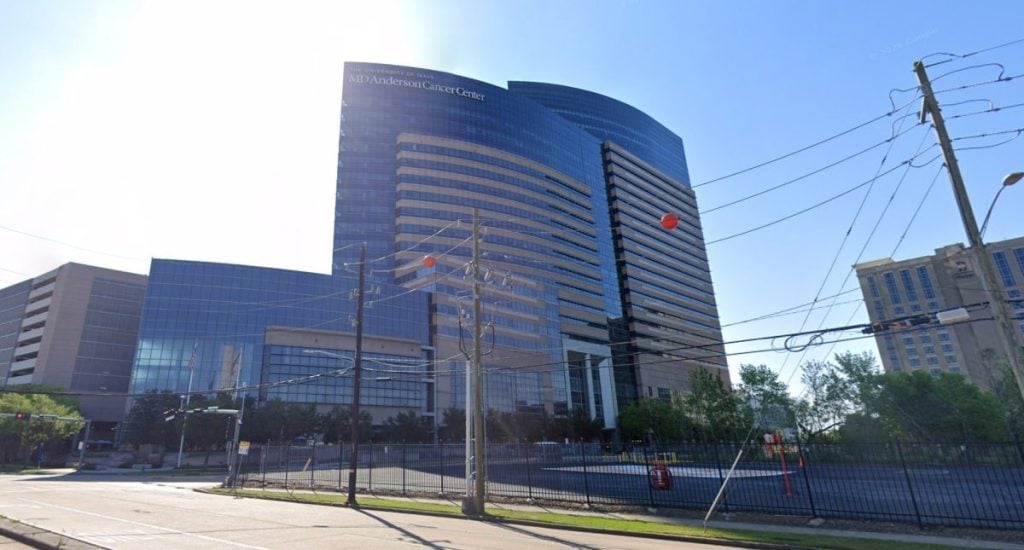
Medical Facilities
Texas Medical Center
The Texas Medical Center is the world’s largest medical complex by total facility space, located immediately north of the workplace at 8505 Main Street. The TMC comprises more than 60 institutions employing approximately 106,000 people and treating approximately 10 million patients per year from across the United States and from more than 180 countries. For employees and residents near the South Main corridor, the proximity to the TMC represents access to some of the finest medical care in the world for every conceivable health need, from routine primary care to the most complex oncology, cardiac, and pediatric interventions.
Key TMC institutions directly relevant to healthcare access for residents near the workplace include Memorial Hermann Texas Medical Center, Houston Methodist Hospital, MD Anderson Cancer Center for cancer care, Texas Children’s Hospital for pediatric care, UTHealth Houston, and Baylor College of Medicine’s clinical programs. Visit tmc.edu for a complete directory of TMC institutions and their services.
Nearby Hospitals and Clinics
- Memorial Hermann Texas Medical Center: 6411 Fannin Street, Houston TX 77030 | (713) 704-4000 – Full-service academic medical center within the TMC campus, one of Houston’s premier hospitals for adult care.
- Houston Methodist Hospital: 6565 Fannin Street, Houston TX 77030 | (713) 790-3311 – Nationally ranked academic medical center known for cardiac care, neurosurgery, and organ transplantation.
- Texas Children’s Hospital: 6621 Fannin Street, Houston TX 77030 | (832) 824-1000 – One of the nation’s leading pediatric hospitals and the largest children’s hospital in the United States by patient volume.
- MD Anderson Cancer Center: 1515 Holcombe Blvd, Houston TX 77030 | (877) 632-6789 – Consistently ranked among the top two cancer centers in the United States.
Urgent Care Centers
Urgent care facilities in the Medical Center and South Main area serve non-emergency medical needs quickly and without appointment.
- Memorial Hermann Urgent Care: Multiple locations in and near the Medical Center
- UTHealth primary care and urgent care clinics in the Medical Center area
- HMG Medical Group clinics serving the inner-loop area near the Medical Center
Dental and Vision Care
Dental Offices
The Medical Center area and surrounding inner-loop neighborhoods have a strong concentration of dental practices, including both general dentistry and specialty practices oriented toward the medical community. The UTHealth School of Dentistry at 7500 Cambridge Street provides lower-cost dental care through its supervised student clinic. Multiple private dental practices operate along Holcombe Boulevard, Kirby Drive, and Main Street near the workplace.
Eye Care Providers
Vision care providers in the Medical Center and South Main area include academic ophthalmology practices affiliated with TMC institutions, private optometry practices along the Kirby and Main Street corridors, and retail vision chains including LensCrafters and MyEyeDr in the nearby Meyerland Plaza and Rice Village areas.
Specialty Healthcare Services
The Texas Medical Center’s proximity provides unparalleled access to specialty healthcare of every type. For residents of the South Main and Medical Center area, accessing specialist care at MD Anderson, Houston Methodist, or Memorial Hermann means using the same institutions that attract patients from across the country rather than waiting for referrals to suburban satellite offices. This extraordinary access to specialty medicine is one of the most significant quality-of-life advantages of living and working near the Medical Center.
Fitness and Recreation
Gyms and Fitness Centers
- YMCA of Greater Houston: Houston Texans YMCA at 1600 Louisiana Street and other inner-loop locations | ymcahouston.org – Family-focused fitness with pools, group classes, and youth programs.
- Planet Fitness: Locations in the Midtown and inner-loop area accessible from the South Main corridor | planetfitness.com
- LA Fitness: Inner-loop Houston locations with pools, group exercise, and full gym facilities | lafitness.com
- Texas Medical Center employees and students have access to fitness facilities within several TMC institutions as an employment benefit.
Yoga Studios
The inner-loop Houston area near the Medical Center has a well-developed yoga and wellness studio community reflecting the health-conscious professional and student population of the neighborhood. CorePower Yoga, hot yoga studios, and independent yoga practices operate in the Midtown, Museum District, and Rice Village areas within a short drive or transit connection of the workplace. Many studios offer first-class free trials for new students. Searching Google Maps for “yoga studio near 77025” will return current options with reviews and pricing.
Community Recreation Facilities
Hermann Park’s extensive grounds provide free outdoor recreation including jogging paths, the reflecting pool area, and the Japanese Garden for walking and contemplation. The Braes Bayou Trail provides miles of paved cycling and running path. The Houston Parks and Recreation Department operates recreation centers in the inner-loop area. Rice University opens some campus recreation facilities to community members. The TMC campus itself has walking and jogging paths that Medical Center employees use extensively during shifts.
Mental Health Resources
Counseling Services
The Medical Center area has one of the most sophisticated mental health resource networks in the country, reflecting the academic and clinical orientation of the TMC institutions. Private licensed therapists and counselors practice throughout the inner-loop area. Psychology Today at psychologytoday.com provides a searchable directory by zip code, insurance, and specialty. Baylor College of Medicine, UTHealth, and other TMC institutions operate outpatient mental health clinics with a range of specialties. BetterHelp at betterhelp.com and Talkspace at talkspace.com provide online therapy for new residents who have not yet established local care.
Support Groups
AA and NA meetings operate throughout the inner-loop Houston area near the Medical Center. NAMI Greater Houston at namigreaterhouston.org provides support groups and education for individuals and families affected by mental health conditions. The Medical Center’s pastoral care and chaplaincy programs serve patients and employees with support group resources. GriefShare and similar programs meet at multiple inner-loop congregations near the workplace.
Community Health Resources
The Harris Center for Mental Health and IDD at harriscenter.org provides community mental health services on a sliding scale fee basis. Call (713) 970-7000 for information. The 988 Suicide and Crisis Lifeline is available by calling or texting 988. The UTHealth and other TMC institutions operate community mental health clinics with some services accessible to non-employees. The Medical Center’s proximity to the workplace means that any serious health situation, mental or physical, has world-class institutional support within minutes.
Community Resources
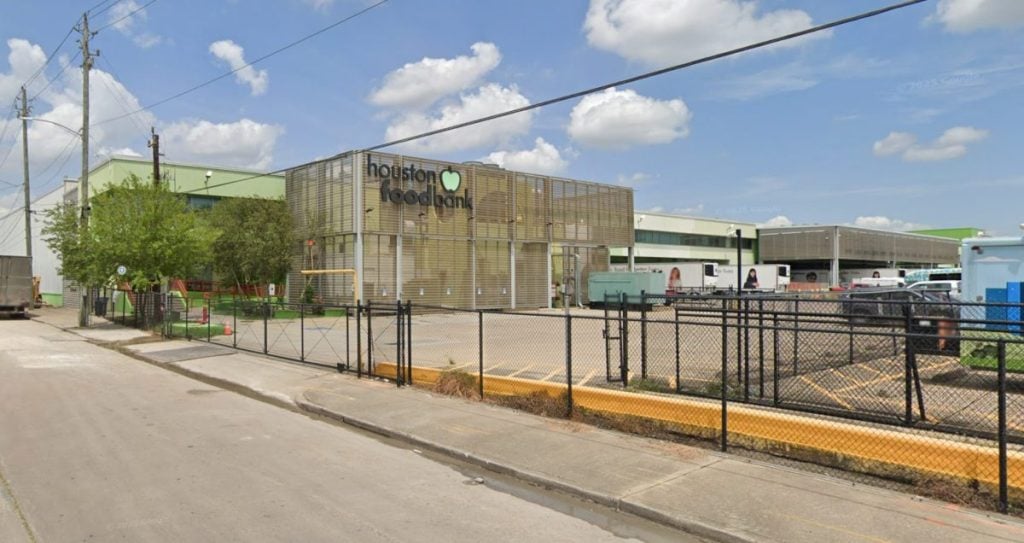
Government Services
City of Houston Services
The City of Houston provides services to residents within city limits through the 311 system. Call 311 to report issues, request services, and access city programs. The 8505 Main Street area and the surrounding neighborhoods are within Houston city limits. Visit houstontx.gov for a full directory of city departments and programs. New Texas residents should obtain a Texas driver’s license through dps.texas.gov and register their vehicles through the Harris County Tax Office at hctax.net within 90 days of establishing residency. Register to vote in Harris County at harrisvotes.com.
Harris County Services
Harris County provides services to residents across the county regardless of municipal status. Visit harriscountytx.gov or call (713) 755-5000 for county service information. Harris County Precinct 1, which covers portions of the inner-loop area, maintains community programs and park facilities serving the South Main and Medical Center neighborhoods.
Libraries
Houston Public Library Branches
The Houston Public Library system serves the inner-loop neighborhoods near the Medical Center through several branch locations. The Looscan Library at 2510 Willowick Road, Houston TX 77027, serves the River Oaks, West University, and Medical Center communities. The Bellaire City Library and other nearby branches provide library services to residents of the surrounding inner-loop communities. All Houston Public Library branches provide free library cards to city residents with proof of address, along with access to ebooks and audiobooks through the Libby app, digital resources, and community programs. Visit houstonlibrary.org for branch locations and digital resource access.
Community Learning Programs
Both the Houston Public Library and the Houston Community College network offer free and low-cost learning programs for adults in the inner-loop area. ESL classes, computer literacy workshops, job search assistance, GED preparation, and community education programs are available. The Texas Medical Center’s educational institutions also provide community engagement and public health education programs accessible to neighborhood residents.
Recreation Centers
Community Centers
The City of Houston Parks and Recreation Department operates recreation centers serving inner-loop neighborhoods near the Medical Center. Hermann Park, one of the nation’s finest urban parks, functions as the primary community recreation space for the South Main and Medical Center area. YMCA facilities in the inner-loop area provide fitness, youth programs, and community programming.
Youth Sports Programs
Youth sports leagues operate in the inner-loop Houston area through YMCA programs, parks department facilities, and faith community organizations. The West University Place Parks and Recreation Department operates youth sports leagues for West U families. The Bellaire City Recreation Department similarly serves Bellaire families with organized youth sports. The YMCA of Greater Houston organizes one of the most comprehensive youth sports programs in the Houston area.
Adult Recreation Opportunities
Hermann Park Golf Course, the Braes Bayou Trail running and cycling path, the BCycle bike-sharing network, and the YMCA and fitness center network provide the core of adult recreation for the South Main and Medical Center area. The Museum District’s cultural calendar, Miller Outdoor Theatre’s free performance series, and the active restaurant and nightlife scenes of Midtown and Montrose complete a recreation and social landscape that makes the inner-loop area one of the most livable zones in Houston for adults of all ages and interests.
Assistance Programs
Food Assistance Resources
The Houston Food Bank at houstonfoodbank.org (832) 369-9390 operates partner food pantries and distribution programs serving the inner-loop and Medical Center area. Several faith communities near the Medical Center operate food pantries open to community members. Apply for SNAP food assistance benefits at yourtexasbenefits.com. The Jewish Federation of Greater Houston’s social services arm serves not only the Jewish community but Houston residents of all backgrounds with food and other assistance programs.
Housing Support Services
Neighborhood Centers Inc. at ncahouston.org provides housing assistance, emergency financial aid, and social services. Catholic Charities of the Archdiocese of Galveston-Houston at catholiccharities.org provides housing and other support services to residents of all backgrounds. The Houston Bar Association’s Houston Volunteer Lawyers program at hvlp.org provides free legal assistance for qualifying residents with housing issues.
Workforce Development Programs
Workforce Solutions at wrksolutions.com provides free job search assistance, resume services, and career counseling at offices throughout Houston. Houston Community College’s workforce development programs provide practical career training at accessible tuition. The Medical Center’s institutional HR departments also operate hiring pathways and training programs accessible to area residents interested in healthcare careers.
Volunteer Opportunities
Local Nonprofits
Star of Hope Mission at sohmission.org, Habitat for Humanity Houston at habitathouston.org, and the Houston Food Bank at houstonfoodbank.org all operate active volunteer programs serving inner-loop and citywide needs. The Texas Medical Center’s volunteer programs serve patients and families at TMC institutions. The Museum District’s institutions operate volunteer docent and event support programs.
Community Organizations
Volunteer Houston at volunteerhouston.org is the comprehensive directory for volunteer opportunities across hundreds of organizations in the greater Houston area. United Way of Greater Houston at unitedwayhouston.org coordinates volunteers for education, health, and financial stability programs. The South Main Alliance and other inner-loop neighborhood associations provide local civic engagement opportunities.
Faith-Based Service Groups
Faith communities throughout the Medical Center and inner-loop area operate extensive community service programs including food distributions, after-school tutoring, housing assistance, and health outreach. Interfaith Ministries for Greater Houston at imgh.org coordinates programs across faith traditions. The Medical Center chaplaincy programs support patients and families in one of the most challenging institutional settings in human experience and welcome community engagement.
Cost of Living
Housing Costs
Apartment Rental Costs in South Houston and Medical Center Areas
The South Main and Medical Center area commands higher rents than the suburban Houston areas covered in other guides in this series. This inner-loop premium reflects the walkability, transit access, Medical Center proximity, and quality of life these neighborhoods provide. Studio apartments near the Medical Center and along the South Main corridor range from $1,000 to $1,400 per month. One-bedroom apartments run $1,200 to $1,800. Two-bedroom apartments range from $1,500 to $2,500. Newer luxury high-rise buildings at the upper end of the market in Midtown and the Medical Center area may exceed these ranges for premium finishes and full-service amenities.
Housing Costs in Bellaire, Meyerland, and Nearby Neighborhoods
Bellaire and West University Place command significant rent premiums for single-family homes, typically $2,500 to $6,000 per month depending on size and condition. Meyerland offers somewhat lower home rents ranging from $1,800 to $3,500 per month, though flood risk considerations require careful due diligence. Braeswood Place and Willow Meadows fall in the middle range with homes typically renting from $1,800 to $3,000 per month. These neighborhoods represent the moderate inner-loop option for employees who want suburban character with inner-loop proximity.
Comparison of Urban Versus Suburban Housing Options
Comparing inner-loop housing near the Medical Center to suburban options requires accounting for total cost of living rather than rent alone. An employee who lives in a $1,400 per month apartment near the South Main METRORail corridor and commutes by rail pays no parking fees, spends minimally on fuel, and eliminates car insurance and maintenance costs if they choose not to own a vehicle. An employee living in a $1,100 per month apartment in suburban Southeast Houston and driving to work spends $200 to $400 per month on fuel, $50 to $150 per month on parking, and $100 to $200 per month on vehicle maintenance and insurance beyond the baseline. The true total monthly cost difference between urban and suburban housing options is often smaller than the rent comparison alone suggests.
Utilities
Electricity Costs During Summer
Texas has a deregulated electricity market, meaning you choose your own provider and rate plan. Compare available plans at powertochoose.org before setting up service. Lock in a fixed-rate plan before summer to protect against peak demand price increases. Summer electricity bills for one-bedroom apartments near the Medical Center typically run $150 to $250 per month. Newer buildings with efficient HVAC systems and good insulation run toward the lower end. CenterPoint Energy manages the Houston electric grid and handles outage reports at centerpointenergy.com or (713) 207-2222.
Water and Sewer Expenses
City of Houston water and sewer billing applies to addresses within city limits. Average monthly bills for one-bedroom apartments run $40 to $80 depending on household size and usage. Visit houstonpublicworks.org/utility-billing or call (713) 371-1400 for account setup. Many apartment communities in the Medical Center area include water in the monthly rent, so always confirm what is included before comparing rent prices across properties.
Internet and Cable Services
Comcast Xfinity and AT&T Fiber are the primary internet service providers in the inner-loop Houston area. AT&T Fiber service is widely available in the Medical Center and South Main corridor with gigabit speeds at competitive rates. Standard plans run $50 to $80 per month. Most inner-loop residents choose streaming services over traditional cable television, reducing monthly entertainment costs meaningfully. Contact AT&T at att.com or (800) 288-2020 and Comcast Xfinity at xfinity.com or (800) 934-6489 to compare plans at your specific address.
Transportation Costs
Public Transit Costs
The METRO Q card monthly unlimited pass costs $90 per month and covers unlimited rides on all METRO local bus routes and METRORail. For employees who commute by rail five days per week, the monthly pass provides significant savings over per-trip fares. Single rail rides cost $1.25 with a Q card. For employees who live along the Red Line and commute entirely by rail and walking, monthly transportation costs of $90 to $120 are achievable, compared to $300 to $600 per month for fuel, parking, and vehicle-related expenses for a driving commuter.
Fuel and Parking Expenses
Parking near the Texas Medical Center and along the South Main corridor is significantly more expensive than in suburban Houston. TMC-area parking garages and surface lots charge $10 to $25 per day for daily parkers. Monthly parking near the Medical Center runs $80 to $200 per month depending on the facility’s proximity to the TMC buildings. For employees who choose to drive to 8505 Main Street, parking cost is a significant budget line that strongly incentivizes transit use in this area compared to the suburban Houston workplaces in this series.
Vehicle Maintenance Costs
Vehicle maintenance costs in inner-loop Houston are comparable to national averages. Independent mechanics and dealerships serve the Medical Center and inner-loop community. Employees who live near the METRORail and commute by transit can reduce or eliminate vehicle ownership costs entirely, which represents significant monthly savings at the Medical Center location compared to suburban Houston positions where vehicle ownership is practically mandatory.
Budgeting Tips
Saving Money by Using Public Transportation
- The METRO Q card monthly unlimited pass at $90 per month is the single most effective transportation cost reduction available to employees at 8505 Main Street who live along the METRORail Red Line.
- Employees who live within walking or cycling distance of the workplace eliminate transportation costs for their work commute entirely.
- The Houston BCycle monthly membership at houston.bcycle.com provides affordable bike-sharing access for short trips within the Medical Center and inner-loop area.
- Using METRO for errands, entertainment, and other trips in addition to work commuting maximizes the value of the monthly pass.
Managing Utility Bills During Summer
- Compare electricity providers at powertochoose.org and lock in a fixed rate before May to avoid summer peak pricing.
- Set thermostats between 76 and 78 degrees during summer and use ceiling fans to extend the range of comfort without increasing AC workload.
- Inner-loop apartments near the Medical Center tend to have newer and more efficient HVAC systems than suburban complexes of comparable vintage. Ask about HVAC system age when touring.
- Close window blinds during afternoon hours to reduce solar heat gain through glass.
Finding Affordable Housing Near Work
- The South Main corridor and the Braeswood Place area offer the best balance of proximity to the workplace and reasonable inner-loop pricing compared to West University Place and the Medical Center’s highest-demand residential zones.
- Older apartment complexes a few blocks from Main Street typically offer lower rents than newer buildings directly on the transit corridor, with manageable trade-offs in finishes and amenities.
- Houston apartment locator services are free for renters. An inner-loop specialist locator knows the Medical Center housing market well and can identify available properties matching your budget efficiently.
- Consider that eliminating a car entirely if you live near the Red Line saves $500 to $800 per month in insurance, fuel, parking, and maintenance costs that can offset higher inner-loop rent compared to suburban alternatives.
Maps and Local Contacts
Government Offices
City of Houston Offices
- City of Houston: houstontx.gov | 311 (non-emergency services) | houston311.org
- Texas Department of Public Safety (driver’s licenses): dps.texas.gov | (512) 424-2600
- Texas DMV (vehicle registration): txdmv.gov | (888) 368-4689
- Harris County Tax Office (local vehicle registration): hctax.net | (713) 368-2000
- Harris County Clerk (voter registration): harrisvotes.com | (713) 274-8683
- City of West University Place: westutx.gov | (713) 668-4441
- City of Bellaire: bellairetx.gov | (713) 662-8222
Harris County Service Centers
- Harris County: harriscountytx.gov | (713) 755-5000
- Harris County Sheriff non-emergency: (713) 221-6000
- Harris County Flood Control District: hcfcd.org | (713) 684-4000
School District Contacts
Houston ISD Contacts
- Houston Independent School District: (713) 892-6000
- HISD school locator (find boundary schools by address): houstonisd.org
- HISD magnet programs information
- Roberts Elementary School: (713) 295-5120 | 6000 Auden Street, Houston TX 77005
- Lamar High School: (713) 741-2410 | 3325 Westheimer Road, Houston TX 77098
- Bellaire High School: (713) 295-3500 | 5100 Maple Street, Bellaire TX 77401
Private School Resources
- Archdiocese of Galveston-Houston Catholic schools
- St. John’s School: (713) 850-0222 | stjohnschool.org
- Strake Jesuit College Preparatory: (713) 774-7651 | strakejesuit.org
- The Awty International School: (713) 686-4850 | awty.org
Emergency and Non-Emergency Contacts
Police Non-Emergency Numbers
- Houston Police Department non-emergency: (713) 884-3131
- West University Place Police non-emergency: (713) 668-4441
- Bellaire Police non-emergency: (713) 668-0400
- All emergencies: 911
Fire Department Contacts
- Houston Fire Department non-emergency: (713) 884-3100
- Emergency: 911
- Poison Control Center: (800) 222-1222
- 988 Suicide and Crisis Lifeline: call or text 988
- Harris County Mental Health Crisis Line: (713) 970-4600
Emergency Preparedness Resources
- Harris County Emergency Management: (713) 881-3100
- City of Houston Office of Emergency Management: houstontx.gov/oem
- National Hurricane Center: nhc.noaa.gov
- National Weather Service Houston: weather.gov/hgx
- TranStar Real-Time Road Conditions: traffic.houstontranstar.org
- National Flood Insurance Program
Healthcare Contacts
Texas Medical Center Resources
- Texas Medical Center general information: tmc.edu | (713) 791-6161
- Memorial Hermann TMC: (713) 704-4000 | memorialhermann.org | 6411 Fannin Street, Houston TX 77030
- Houston Methodist Hospital: (713) 790-3311 | houstonmethodist.org | 6565 Fannin Street, Houston TX 77030
- MD Anderson Cancer Center: (877) 632-6789 | mdanderson.org | 1515 Holcombe Blvd, Houston TX 77030
- Texas Children’s Hospital: (832) 824-1000 | texaschildrens.org | 6621 Fannin Street, Houston TX 77030
- Baylor College of Medicine: (713) 798-4951 | bcm.edu | 1 Baylor Plaza, Houston TX 77030
- UTHealth Houston: uthealthhouston.org | (713) 500-3333
Hospitals and Urgent Care Facilities
- Memorial Hermann Urgent Care: Multiple inner-loop locations | memorialhermann.org
- Harris Health System (Ben Taub Hospital): (713) 873-2000 | harrishealth.org | 1504 Taub Loop, Houston TX 77030
- Kelsey-Seybold Clinic: Multiple inner-loop locations | kelsey-seybold.com | (713) 442-0000
Community Clinics
- Harris Center for Mental Health: harriscenter.org | (713) 970-7000
- Harris County Public Health: publichealth.harriscountytx.gov | (713) 439-6000
- Harris Health System community clinics: harrishealth.org
Transportation Contacts
METRO Customer Service
- METRO: ridemetro.org | Customer Service: (713) 635-4000
- METRO Q card and Q Mobile app
- METROLift paratransit: (713) 225-0119
- METRO Police non-emergency: (713) 224-2489
METRORail Information
- METRORail Red Line route and schedule: ridemetro.org/rail
- Smith Lands Station: Main Street near 8320 Main Street, Houston TX 77054
- Reliant Park Station: Main Street near NRG Stadium, Houston TX 77054
- Hermann Park/Rice University Station: Main Street near 6100, Houston TX 77005
- METRO Q Mobile ticketing app: Available for iOS and Android at ridemetro.org
Park and Ride Resources
- METRO Park and Ride locations: ridemetro.org/parkandride
- HCTRA EZ TAG (toll roads): (281) 875-3279
- TxDOT Houston travel information: txdot.gov | (800) 452-9292
- Houston BCycle bike-sharing
- Uber | Lyft
- William P. Hobby Airport: (713) 640-3000
- George Bush Intercontinental Airport: | (281) 230-3000
Utility Contacts
- Electricity provider comparison: powertochoose.org
- CenterPoint Energy (electric grid, outages): centerpointenergy.com | (713) 207-2222
- City of Houston Water Utilities: houstonpublicworks.org/houston-water | (713) 371-1400
- CenterPoint Energy Natural Gas: centerpointenergy.com | (800) 427-7142
- AT&T Fiber (internet): att.com | (800) 288-2020
- Comcast Xfinity (internet): xfinity.com | (800) 934-6489
Community Resources
- Houston Food Bank: houstonfoodbank.org | (832) 369-9390
- Workforce Solutions: wrksolutions.com | (713) 688-6890
- Harris Center for Mental Health: harriscenter.org | (713) 970-7000
- Volunteer Houston: volunteerhouston.org
- Houston Public Library: houstonlibrary.org
- Rice University community programs: rice.edu
- Texas Medical Center: tmc.edu | (713) 791-6161
Maps and Route Planning
Neighborhood Maps
- Harris County Appraisal District (property and neighborhood maps): hcad.org
- Harris County Flood Control District (flood and drainage maps)
- City of Houston GIS (city limits and neighborhood boundaries)
Transit Route Maps
- METRO METRORail Red Line map and schedule: ridemetro.org/rail
- METRO Trip Planner: ridemetro.org/tripplanner
- METRO app for iOS and Android: real-time rail and bus tracking
- Houston BCycle station map
Major Roadways
- TranStar real-time traffic and road conditions: traffic.houstontranstar.org
- Google Maps: maps.google.com – Use the transit routing feature to plan METRORail commutes.
- Waze: waze.com – Real-time traffic and alternate routing for drivers.
Commute Routes to Urban Bird Hot Chicken
- By METRORail: Board the Red Line southbound at any station north of Smith Lands. Exit at Smith Lands station near 8505 Main Street. Walk to the workplace. From downtown: approximately 15 to 20 minutes.
- From West University Place: Walk (15 to 30 minutes) or cycle (5 to 15 minutes) east on Bissonnet or Holcombe to Main Street, south to 8505. Or drive via local roads in approximately 10 to 15 minutes.
- From Midtown: METRORail Red Line southbound from any Midtown station to Smith Lands. Approximately 10 to 15 minutes by rail.
- From Bellaire: Drive east via Bellaire Blvd to Main Street, north to 8505. Approximately 15 to 25 minutes by car.
- From Meyerland: Drive east via Braeswood Blvd to Main Street, approximately 15 to 25 minutes by car. Or bus along Holcombe to Main Street.
Conclusion
Why the South Main and Medical Center Area Is a Convenient Place to Live and Work
The 8505 Main Street location offers a combination of qualities that is genuinely rare among Houston workplaces: direct access to METRORail, walkable distance to one of the world’s great urban parks, adjacency to the world’s largest medical complex, and position within one of Houston’s most culturally rich and accessible inner-loop neighborhoods. These qualities are not incidental but fundamental to the daily experience of working and living in this part of the city.
For employees who embrace what the South Main and Medical Center area offers, daily life here can approach the quality of the best urban employment corridors in the country. The ability to commute by rail, walk to Hermann Park for lunch, visit world-class museums after a shift, and participate in the extraordinary cultural life of Midtown, Montrose, and the Museum District all from a single workplace location is something that most Houston employees, working at conventional suburban locations, do not have access to.
Benefits of Living Near Houston’s Major Employment, Healthcare, and Educational Centers
The Texas Medical Center’s 106,000 employees and its institutional infrastructure create a neighborhood ecosystem unlike any other in Houston. Healthcare access is unmatched anywhere in the world from this location. Educational institutions including Rice University, Texas Southern University, Baylor College of Medicine, and the University of Houston are all accessible from the South Main corridor. The career development, networking, and continuing education opportunities generated by the proximity of these institutions represent an often-overlooked benefit of working at 8505 Main Street.
The economic vitality of the Medical Center and the inner-loop neighborhood also creates strong demand for restaurants, retail, services, and cultural programming that makes the area more commercially complete and more consistently active than suburban employment corridors. Restaurants that depend on the Medical Center workforce stay open on weekday evenings when suburban strip mall restaurants may be quiet. Cultural institutions along the Museum District corridor maintain programming schedules that serve a year-round audience of Medical Center workers, students, and residents. This density of activity creates a neighborhood feel that suburban Houston workplaces cannot replicate.
Encouragement to Explore Houston’s Neighborhoods, Parks, and Cultural Attractions
The South Main and Medical Center area gives you a uniquely advantaged position from which to explore the full range of what Houston offers. Hermann Park is steps away. The Museum District’s 19 museums represent one of the most concentrated cultural assets in the country. The Midtown and Montrose neighborhoods immediately north are among the most interesting and diverse urban environments in the American South. Downtown Houston, accessible by METRORail in 15 minutes, contains professional sports venues, the Theater District, and a growing residential and entertainment scene. Space Center Houston and the Kemah Boardwalk are accessible by car or transit for weekend excursions.
Beyond these immediate assets, Houston’s scale and diversity reward sustained exploration. The food scene in the Bellaire Chinatown area, the trail system along Buffalo Bayou, the outdoor concerts at Miller Outdoor Theatre, and the weekend farmer’s market culture of the inner-loop neighborhoods all become part of the regular rhythm of life for residents of the South Main area who engage with their surroundings rather than retreating to a suburban home after every shift.
Final Tips for Settling Into Your New Job and Home
- Flood preparedness is essential. The Meyerland and Braeswood areas near Brays Bayou flooded severely during Harvey. Check msc.fema.gov before renting. Ask landlords about Harvey directly. Purchase flood insurance at floodsmart.gov.
- Get a METRO Q card and try the Red Line in your first week. Even if you plan to drive, experiencing rail commuting from a few nearby neighborhoods helps you understand what living along the Red Line actually means for your daily life.
- Visit Miller Outdoor Theatre in Hermann Park. All performances are free, the setting is beautiful, and the calendar reflects the full cultural diversity of Houston in a way that few other venues do.
- Lock in your electricity plan at powertochoose.org before your first summer. A fixed-rate plan protects you from the summer demand surges that significantly increase variable-rate bills.
- Explore Rice Village on foot in your first week. The walkable shopping and dining district a mile north on Main Street reflects the character of the neighborhood around the workplace and introduces you to the inner-loop Houston that most first-time Houston visitors never encounter.
- Allow extra time during Medical Center traffic peaks. The 6:30 to 8:30 AM window is the most congested. If you drive, arriving before 6:30 or after 9 AM significantly reduces your commute stress.
A Welcoming Message for Newcomers Starting a New Chapter in Houston, Texas
Moving to a new city for a job is an act of commitment and courage. Houston is a city that consistently rewards that commitment with opportunity, warmth, and the kind of daily richness that cities built around a single industry or a uniform demographic rarely achieve. The South Main and Medical Center area is where Houston’s finest qualities concentrate in one walkable, transit-connected, culturally alive corridor.
The Texas Medical Center is not just a collection of hospitals. It is the place where more cancer is treated, more hearts are repaired, and more children are healed than anywhere else in the world. Working near an institution of that magnitude shapes the character of the entire neighborhood in ways that are felt in the seriousness of the people around you, the quality of the food they seek out, and the community programs that serve them. Being part of this community, even as someone who works in a restaurant rather than a research laboratory, places you at the center of something genuinely significant.
The heat will surprise you. The scale of the city will feel overwhelming at first. But the Red Line will carry you where you need to go, Hermann Park will give you a place to breathe, and the people of the South Main and Medical Center area will make room for you as they have for hundreds of thousands of newcomers before you.
Welcome to Houston. Welcome to South Main Street. You are in exactly the right place to begin.